Swamp Cooler vs AC in Phoenix
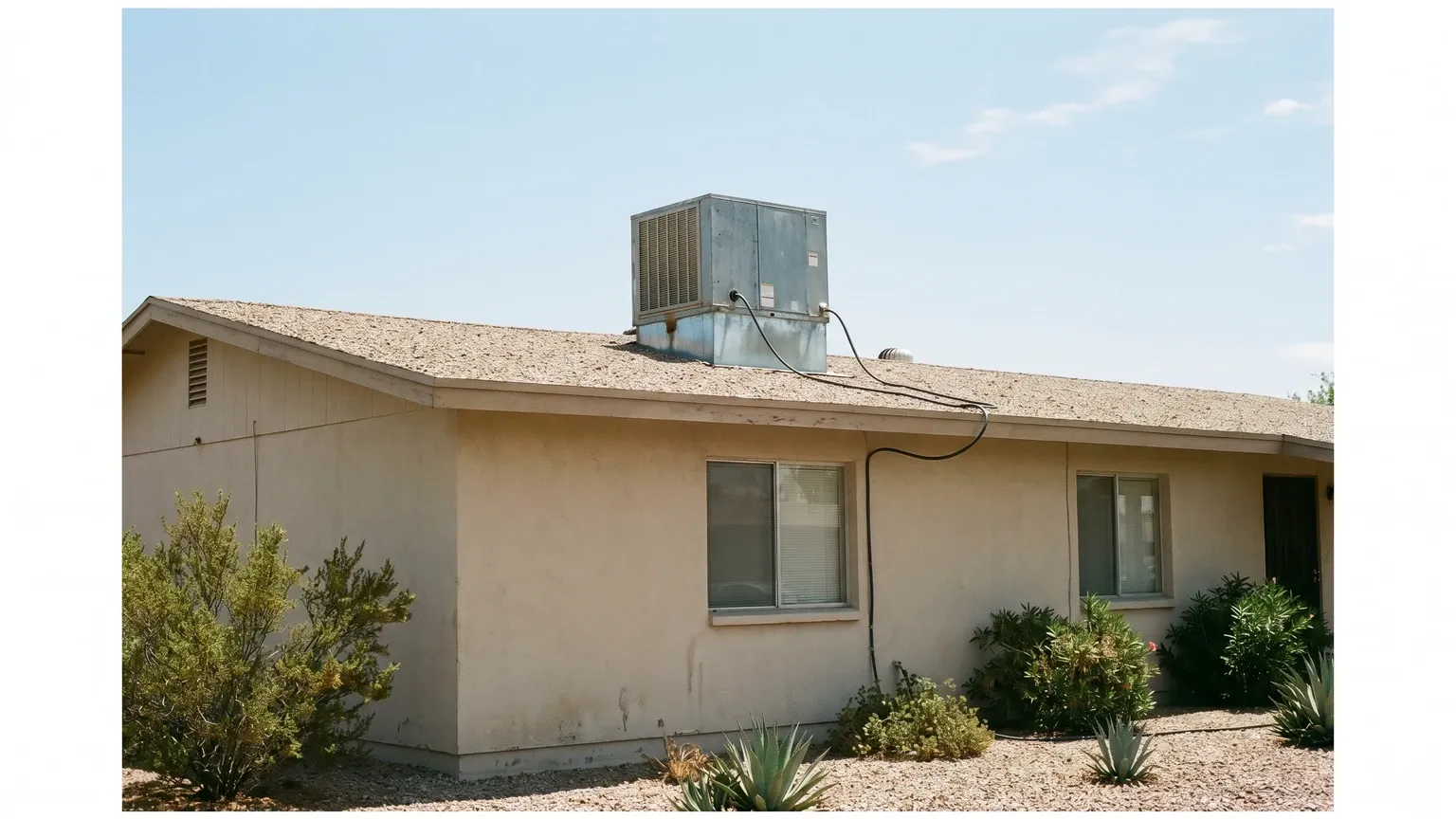
Both systems cool Phoenix homes, but they work by opposite physics and perform well under opposite weather conditions. Swamp coolers win in dry heat and lose in monsoon humidity; refrigerated AC wins year-round but costs more to run. The right call depends on the calendar and the dew point, not just the temperature.
How each system actually works
The physics of the two systems are mirror images of each other, which is why they don’t behave the same and can’t simply substitute for one another on any given day.
An evaporative cooler (the “swamp cooler”) pulls hot outside air through thick wet pads made of cellulose, fiberglass, or aspen fiber. As water in the pads evaporates, it pulls heat from the passing air, dropping the air temperature by around 20°F on a dry day. According to the U.S. Department of Energy, this process works by the same principle that makes stepping out of a pool feel cool: evaporation absorbs heat. The critical detail is what happens to the water: it goes into the air. A swamp cooler adds humidity to your home on purpose. That is the mechanism.
A refrigerated (central) air conditioner compresses refrigerant to move heat from inside the home to outside. As warm indoor air passes over a cold evaporator coil, it releases moisture as condensate. That water drains out through a condensate line. The air returning to the home is cooler and drier than it went in. A refrigerated AC removes humidity from your home on purpose. That is its mechanism.
One machine adds water to indoor air. The other takes it away. That contrast explains every trade-off below.
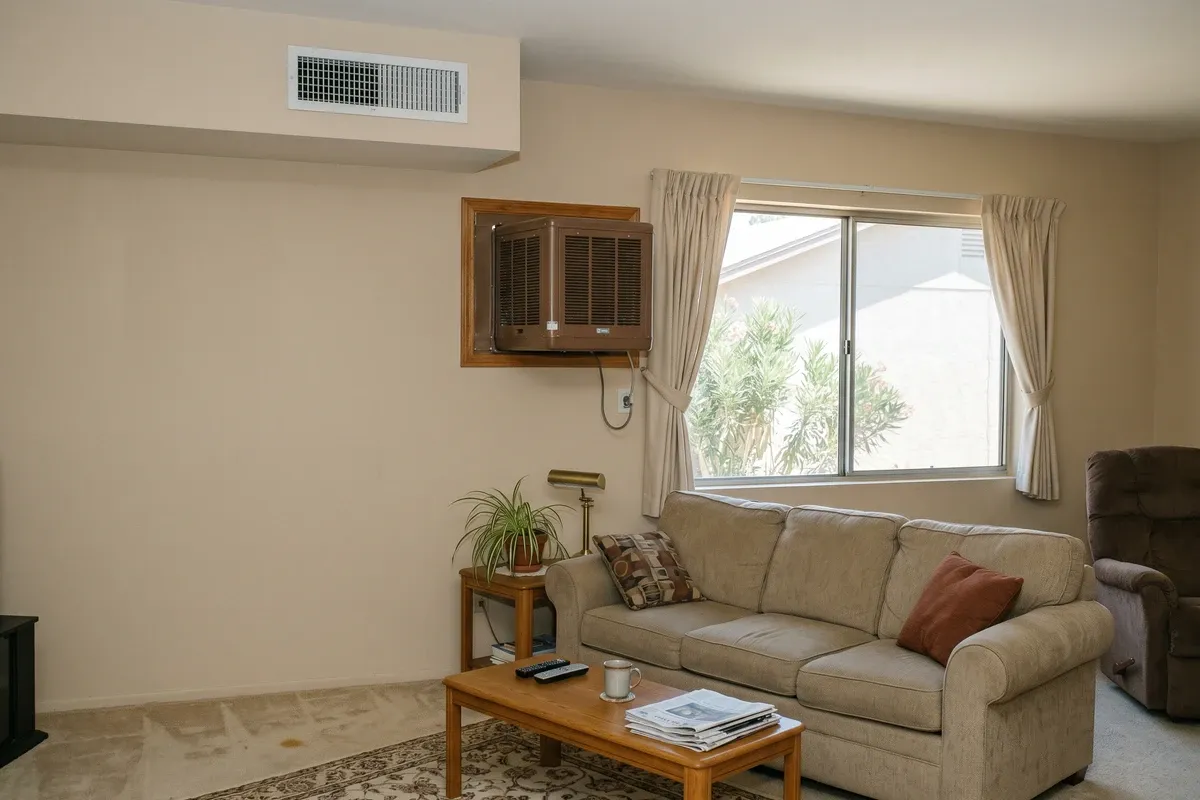
The full comparison: cost, water, humidity, and mold
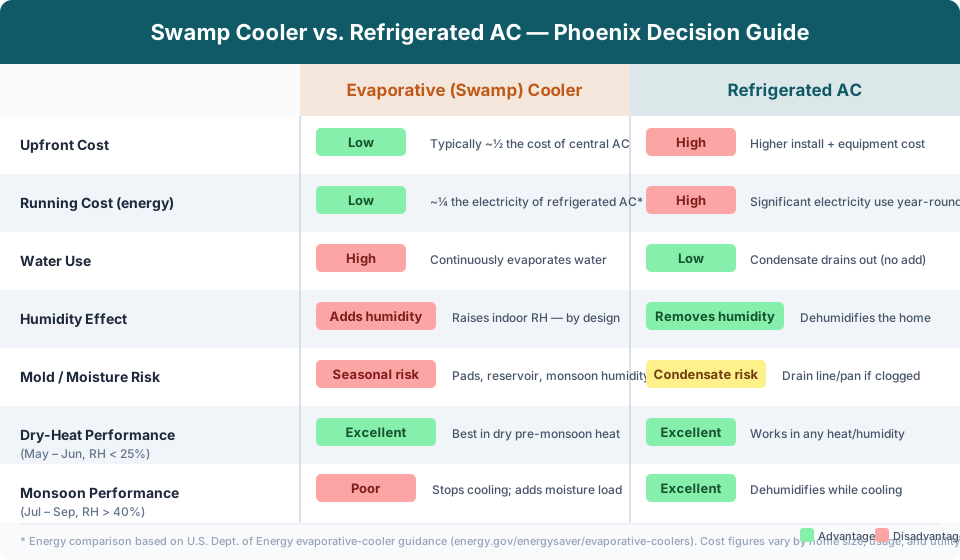
Upfront and running cost
Evaporative coolers typically cost roughly half as much to install as central refrigerated AC, and the Department of Energy notes they use about one-quarter the electricity. In a Phoenix summer where AC may run for five months, that gap shows up meaningfully on an SRP or APS bill. The swamp cooler adds a water cost the AC doesn’t have (it continuously evaporates water) and requires more maintenance because of the pads, reservoir, and pump. But on pure energy cost, the swamp cooler wins clearly when conditions allow.
Refrigerated AC costs more upfront and more per month to run, but it works under any conditions. It is the system that handles both an August heat spike and a July monsoon.
Water use
A swamp cooler uses water continuously. In Phoenix’s climate, typical residential units consume a meaningful amount of water during the cooling season, though the exact rate varies by unit size and how often it runs. The cooler also requires water for the bleed-off or purge cycle that flushes mineral scale from Phoenix’s hard water. A refrigerated AC uses no water for cooling; the condensate it produces is a byproduct that drains away.
Humidity: the biggest difference for Phoenix
This is the comparison factor most people miss, and it drives everything else on this page.
A swamp cooler’s humidity output is a feature in dry conditions and a liability in humid ones. In May and June, when Phoenix outdoor relative humidity sits in the teens, the cooler adds a comfortable level of moisture to the air; without it, your eyes and throat feel dry in the desert heat. But when the monsoon arrives and outdoor humidity climbs, the cooler keeps adding moisture to air that is already humid. The EPA’s general guidance is to keep indoor relative humidity below 60% to limit mold, and a swamp cooler running in humid weather works directly against that, pushing indoor humidity toward the point where mold grows and comfort drops.
Refrigerated AC removes humidity as a side effect of cooling. In monsoon season, that is exactly what Phoenix homes need. In bone-dry June, removing humidity that is already low makes the air feel unnecessarily parched.

Mold and moisture risk: opposite failure modes
The mold risks from the two systems are real but come from completely different sources. Understanding which system you have tells you where to look.
Swamp cooler mold risk comes from two places: the cooler itself and the humidity it adds. The wet pads and standing reservoir water inside a swamp cooler are a textbook mold and bacteria surface, and a cooler whose pads are not changed regularly can blow mold-laden air into living spaces, because the airflow passes across those wet surfaces before it enters the home. Separately, running the cooler when outdoor humidity is high can push indoor relative humidity past 60%, which is where mold starts growing on cool surfaces around supply vents and north-facing walls. If you’ve noticed small dark spots near a vent after a monsoon stretch, this is the mechanism.
For the full picture of what mold actually grows inside a swamp cooler and how to clean it, see our swamp cooler mold guide. That guide covers pad cleaning, reservoir maintenance, and the seasonal routine that keeps the machine itself from becoming a mold source.
Refrigerated AC mold risk is narrower but real: the condensate drain line and drain pan. The AC pulls water from the air all day, every day it runs. When the drain line clogs with dust and algae, the pan fills and overflows. In a Phoenix home with an attic-mounted air handler, that overflow soaks roof decking. Per EPA guidance, mold can establish on wet wood within 24 to 48 hours. The clogged AC drain line guide covers how to check and clear the line; if you already have mold around your AC vents, mold in your AC and air vents walks through what remediation involves.
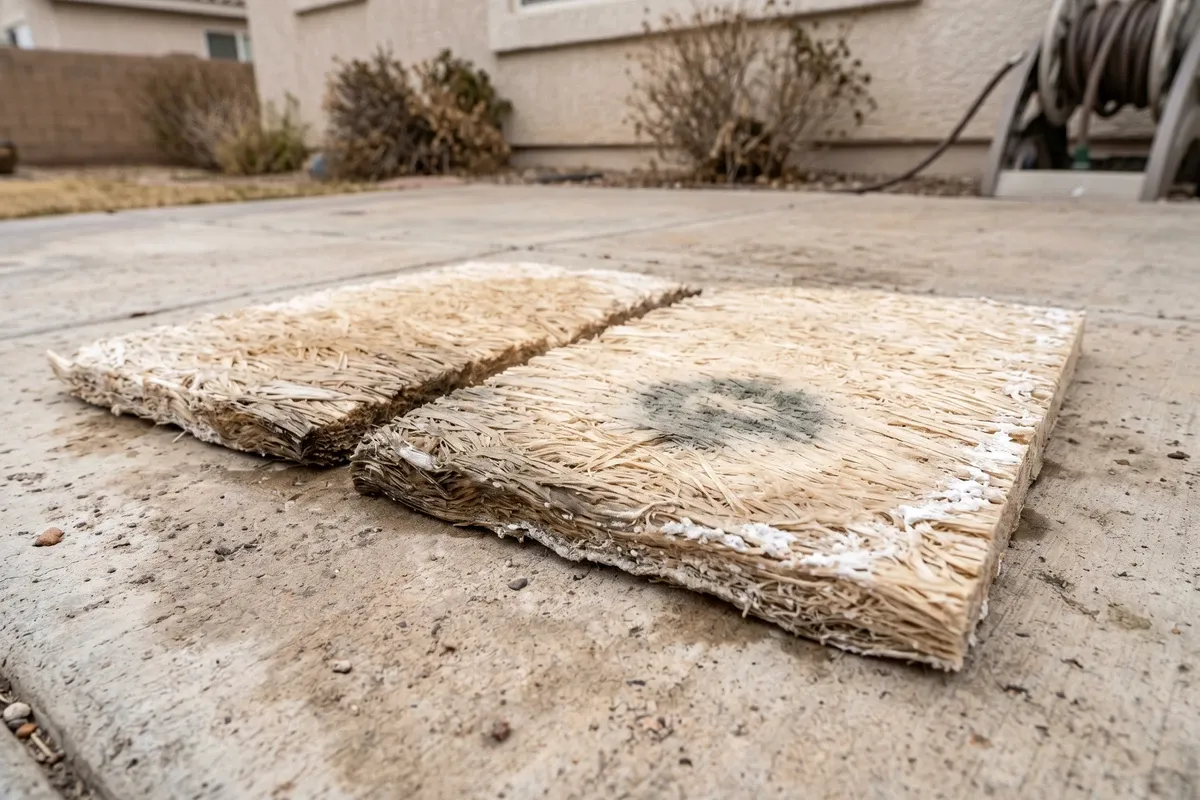
If mold has already started growing as a result of either system, mold remediation is the appropriate next step. Cleaning the system that caused it fixes the source; remediation fixes the affected surfaces.
Dry heat vs. monsoon: when each system wins
The Phoenix cooling season splits cleanly into two distinct phases with different optimal choices.
May and June: swamp cooler weather
Pre-monsoon Phoenix is exactly what evaporative cooling was designed for. Outdoor relative humidity regularly sits below 20%. High daytime temperatures in the 100–110°F range create a large temperature drop when air passes through wet pads. The cooler uses a fraction of the electricity the AC would use, and the humidity it adds is actually welcome in a climate this dry.
Run the swamp cooler during this window with a window cracked. The Department of Energy explains the cooler is a single-inlet design: it pushes air in, so stale humid air has to exit somewhere. Without an outlet, indoor humidity climbs faster than it should.
July through September: refrigerated AC season
When the Arizona monsoon arrives, the calculus flips. Dew points rise, humidity spikes during afternoon storms, and the swamp cooler’s two liabilities arrive together: it stops cooling well (less headroom for evaporation) and it starts pumping humid air into a home that is already humid. Switching to refrigerated AC removes the moisture the monsoon brings in.
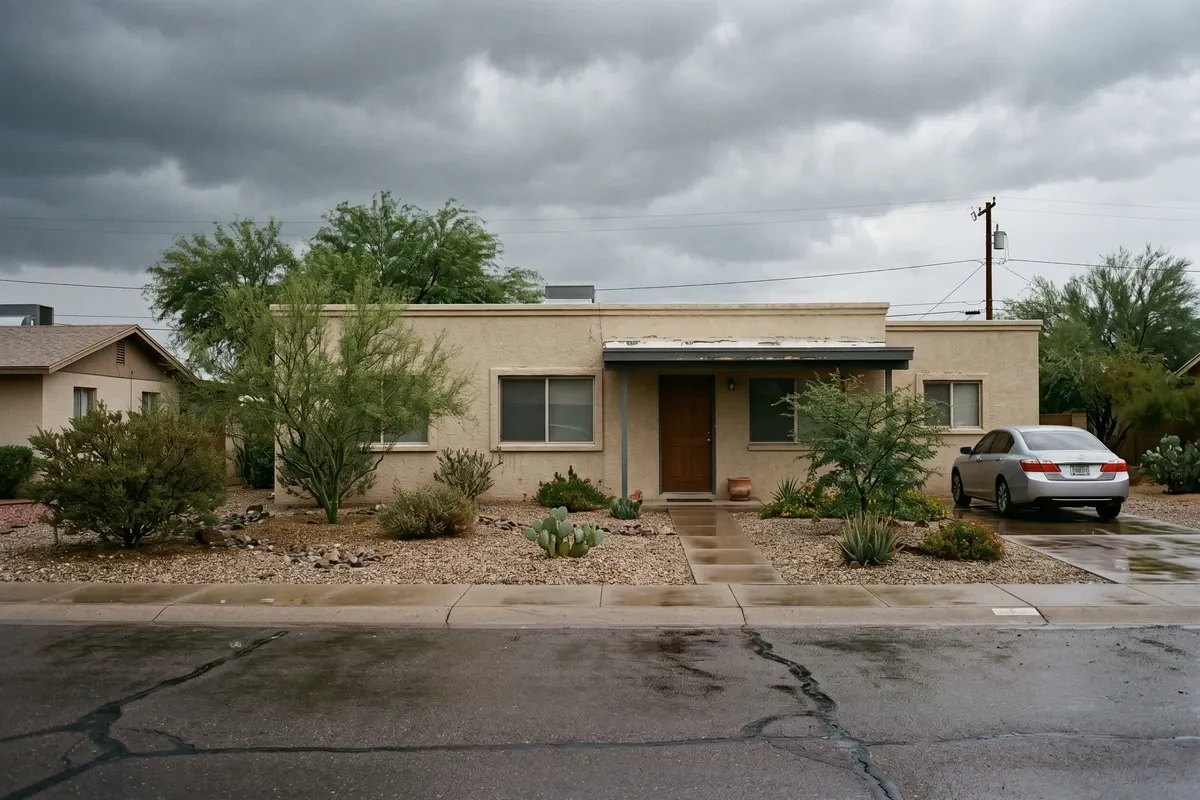
The practical trigger for switching: when the swamp cooler stops making the house meaningfully cooler than outside, or when indoor humidity starts climbing noticeably, the monsoon has arrived. You can also watch the National Weather Service dew-point forecast; once dew points in the Phoenix metro consistently exceed 55°F, refrigerated AC handles the weather better.
After monsoon season ends in October and the air dries back out, the swamp cooler is back to its efficient self for the short fall.
Running both at the same time: don’t
One thing Phoenix homeowners occasionally try is running both systems together. This does not work. The swamp cooler pushes humid air in while the refrigerated AC works to pull humidity out, so they directly oppose each other, neither reaches its potential, and the energy use is higher than either system alone. The rule is simple: one system at a time, with windows open for the swamp cooler and windows closed for the AC.
Which system should you choose?
Most Phoenix homeowners do not need to choose between them. A home with central AC already installed runs the swamp cooler as a supplemental or seasonal unit, saving on electricity during the long dry stretch before monsoon. A home that only has one system faces a more direct trade-off:
- Only a swamp cooler: works well May–June, struggles July–September. Consider adding even a portable or window AC unit for monsoon months.
- Only refrigerated AC: works year-round and handles monsoon season without the maintenance overhead. Higher operating cost than a swamp cooler in dry conditions.
- Both (the Phoenix standard): use the swamp cooler when conditions are dry, switch to AC when the monsoon arrives. This is the cost-efficient and comfortable approach most Valley households converge on.
For the background on why Phoenix gets mold from both cooling systems and other local water sources, the mold in the desert guide covers the full picture of why a dry climate does not protect a home. The complete library of Phoenix mold guides covers every specific source and scenario.
What to do if cooling-system moisture has caused mold
If you’ve noticed a musty smell that shows up when either system kicks on, faint dark spots near supply vents, or water staining around your attic air handler, the cooling system is a likely source. The process is straightforward: identify which system is the source, fix it, then address any mold that grew during the period the moisture was running. A free, no-obligation inspection can confirm the source and the extent without committing you to anything. Fill out the form below and we’ll follow up with a clear next step.