Does Sunlight Kill Mold? The Honest Desert Answer
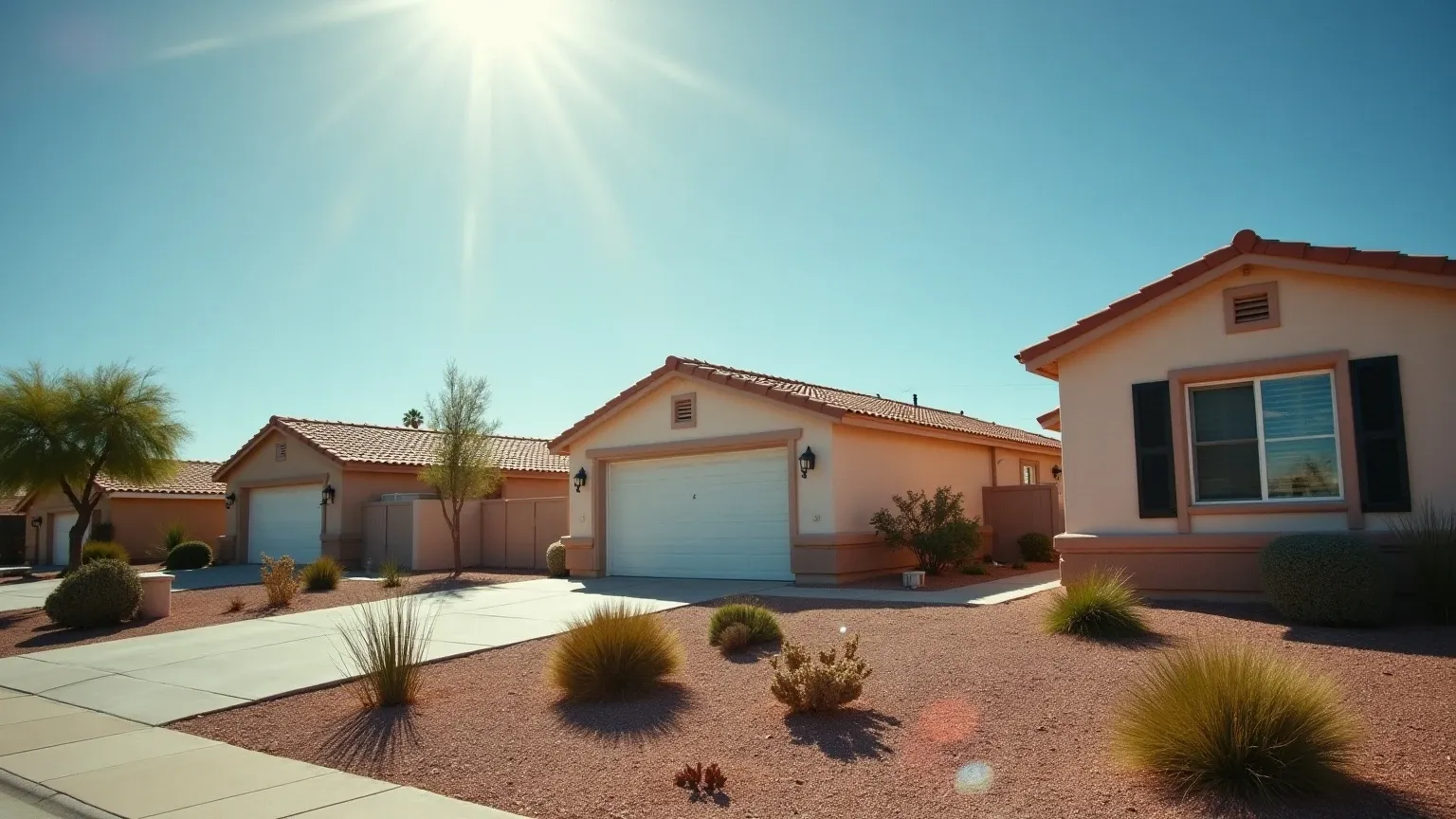
The short answer: direct sunlight can kill mold on exposed outdoor surfaces, but Arizona’s sun almost never reaches where household mold actually lives. Phoenix homes get mold because of indoor moisture — AC condensate overflows, slab leaks, monsoon roof intrusion — and the desert outside your walls does nothing about any of those.
Sunlight is a surface phenomenon; mold is a moisture problem hiding in the dark.
What sunlight actually does to mold
Sunlight has two properties that affect mold: ultraviolet radiation and a drying effect.
Ultraviolet radiation damages mold’s cells and disrupts cellular processes, so prolonged, direct sunlight exposure can inhibit mold growth and kill mold on the surfaces it actually reaches. This is why outdoor surfaces fully exposed to sun — a concrete south-facing patio, an unshaded stucco wall face — rarely have active mold growth.
The drying effect reinforces this. Mold needs moisture. A surface that sunlight keeps dry and warm is a surface where mold can’t get started.
So sunlight does kill mold. The problem is where it can reach.
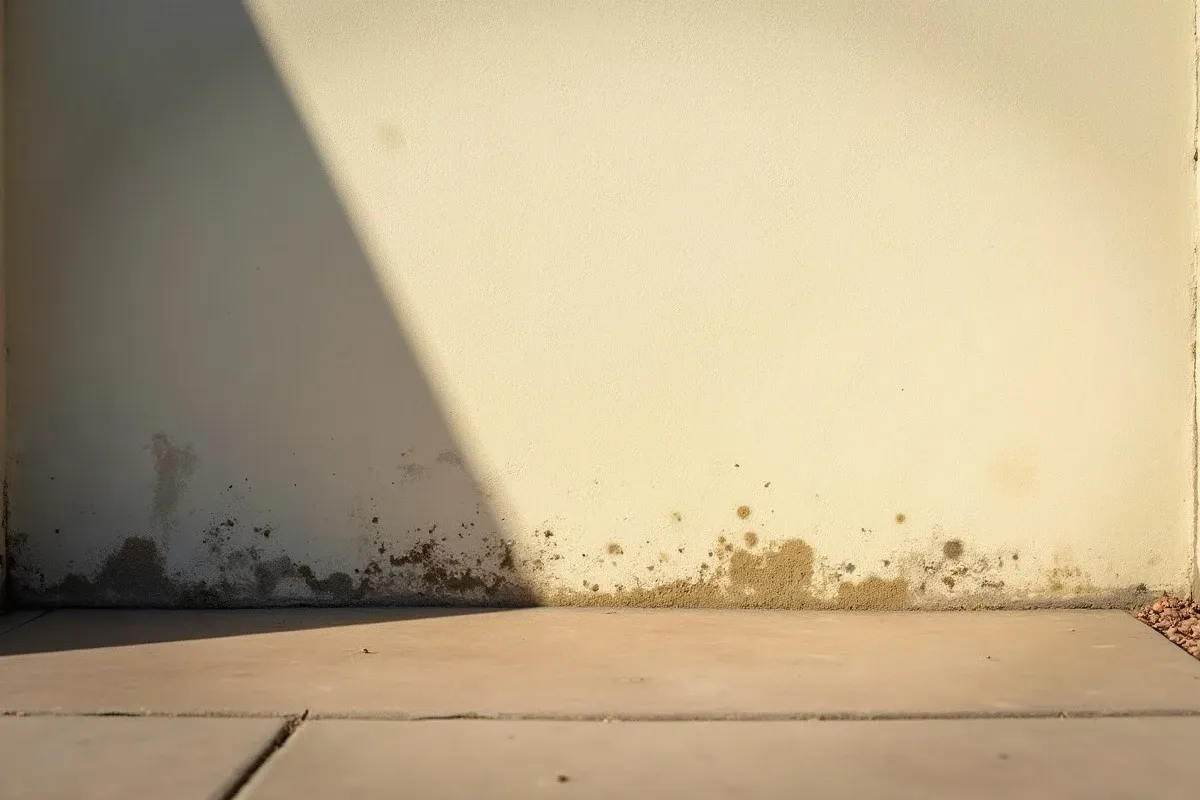
The access problem: where household mold actually lives
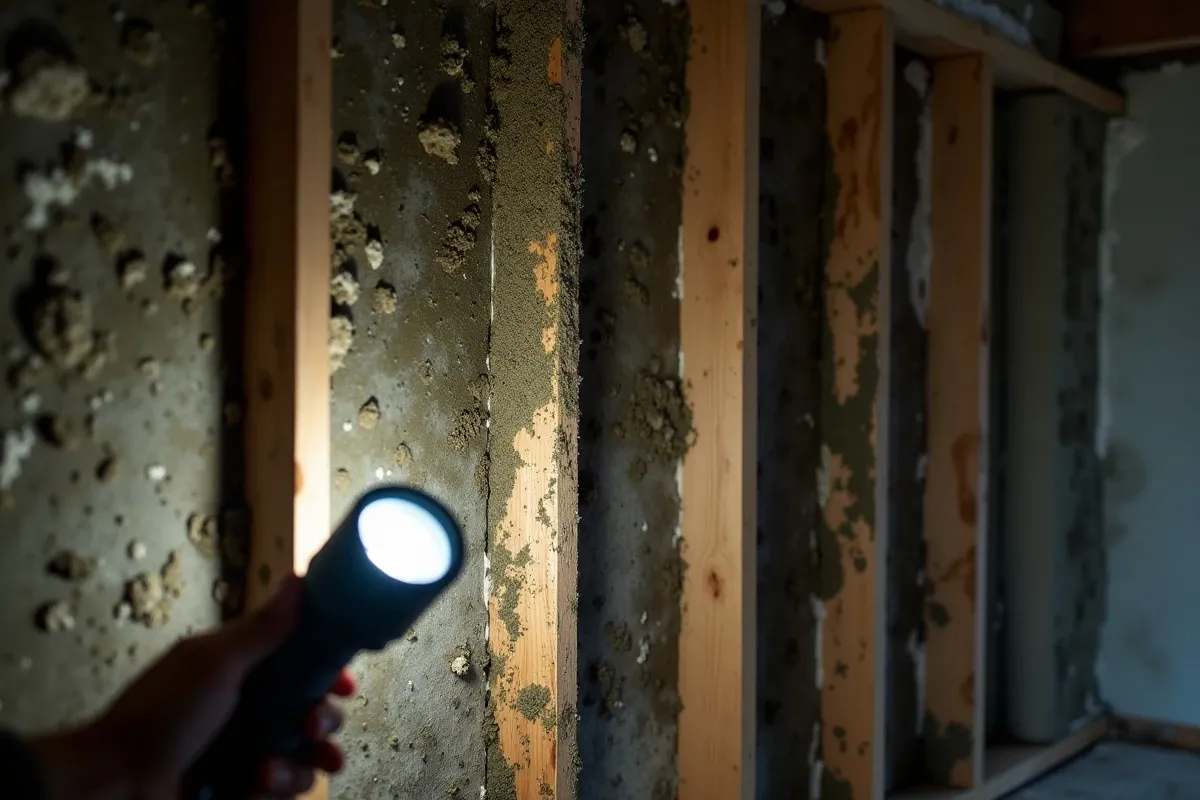
In a Phoenix home, mold does not grow on the exterior south wall baking in 115-degree sun. It grows in the places sunlight never touches:
- Inside wall cavities, between the drywall and the exterior sheathing
- In attic insulation and on roof decking
- Under hardwood and tile flooring, above a slab
- Around the AC air handler’s condensate drain pan
- Behind kitchen and bathroom cabinets, near plumbing supply lines
- In crawl spaces and enclosed soffit areas
Every one of these locations is permanently dark. No amount of Arizona sunshine changes the conditions inside a wall cavity or under a slab. The EPA’s Brief Guide to Mold, Moisture and Your Home is direct on this: “The key to mold control is moisture control.” Not climate. Not sun exposure. Moisture.
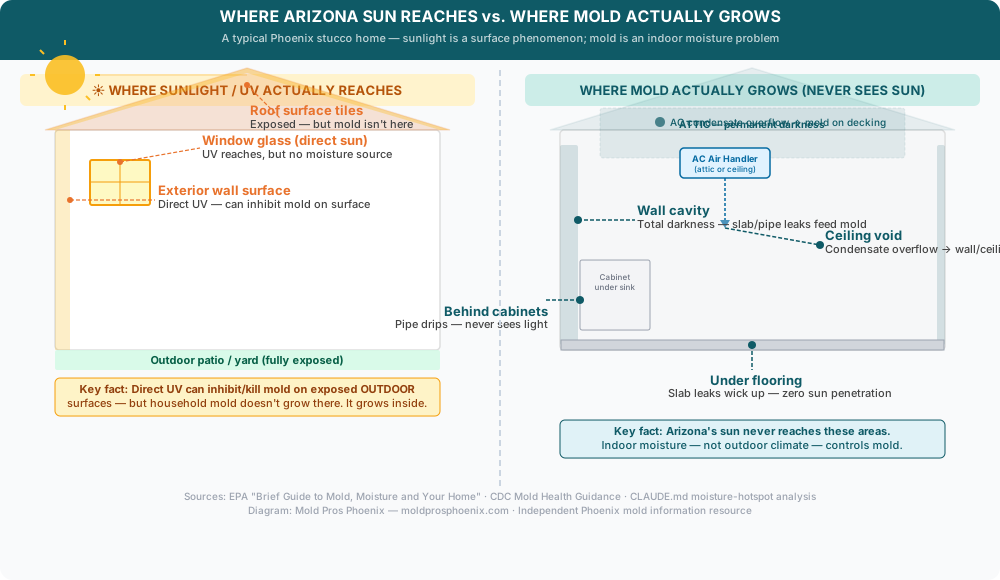
The diagram above shows the gap plainly. Sunlight hits the roof tiles, the window glass, and the exterior wall face. Mold grows in the attic above the roof deck, inside the wall framing, under the flooring, and in the ceiling above the AC handler. These are two completely separate environments.
What about heat — doesn’t the desert bake mold out?
Heat is a separate question from sunlight, and it gets its own honest answer. Sustained temperatures of roughly 140 to 160 degrees Fahrenheit can kill mold, but the wall cavities, ceiling voids, and subfloors where household mold actually grows stay around 80 to 100 degrees even on a 115-degree day — warm enough for mold to grow actively, nowhere near hot enough to kill it. The “Phoenix attic hits 140 degrees, so the heat bakes it out” argument doesn’t hold up, and neither does a space heater or a hot car.
We cover the full picture — what temperature actually kills mold, why the attic argument fails, and why killing mold still isn’t the same as removing it — in our dedicated guide: does heat kill mold?
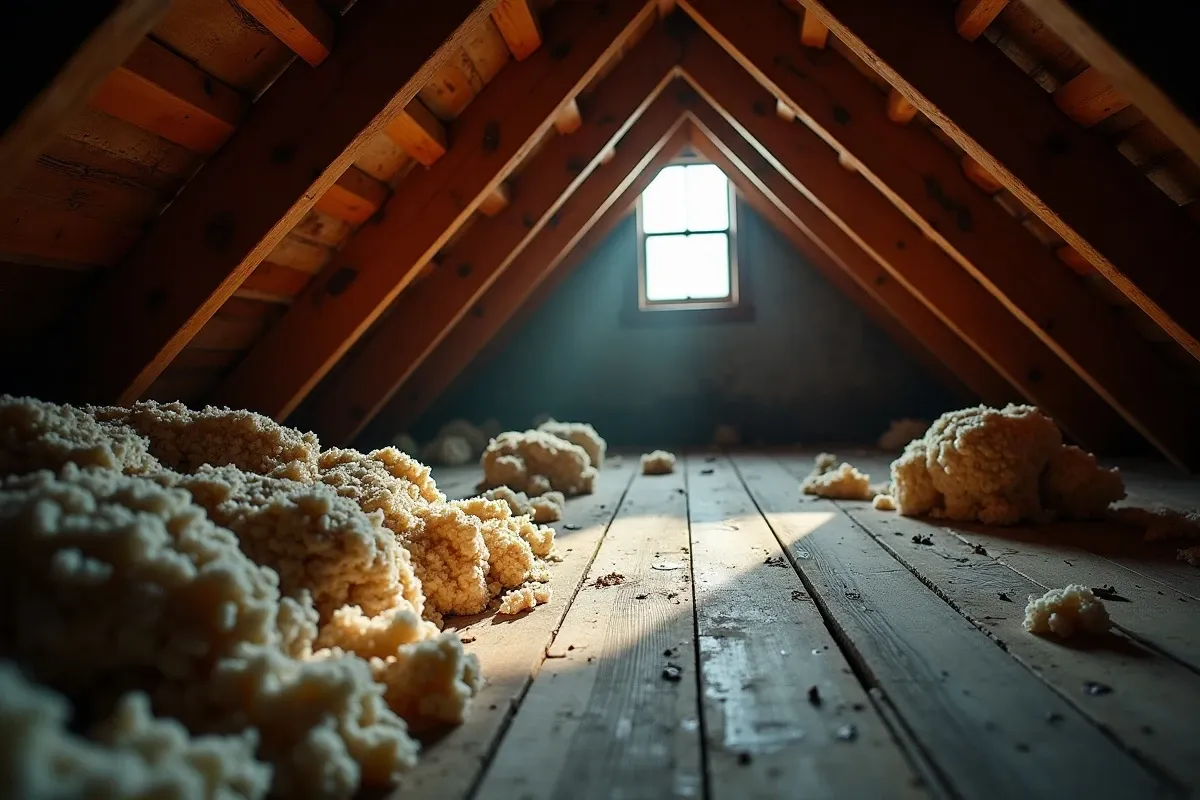
Sunlight is not the same as a UV-C lamp
Sunlight is only one source of UV. UV-C lamps, the kind sold as in-duct lamps, wands and “UV air purifiers,” can kill mold they directly reach, but light does not pass through drywall, flooring or cabinets, and killing is not the same as removing. Whether a lamp is worth buying is an engineering question about exposure time and what the lamp is aimed at, which we cover in does UV light kill mold?.
The dormancy problem: dried mold is not gone
Here’s the piece that most “sunlight kills mold” arguments miss, and it’s the one the EPA is most emphatic about.
Even if sunlight or heat manages to dry out a mold colony — making it go dormant — that does not mean the mold is gone or safe to leave in place.
The EPA states directly that “it is impossible to get rid of all mold and mold spores indoors” and that “dead mold may still cause allergic reactions in some people.” This is why the agency’s guidance on mold cleanup is unambiguous: mold must be physically removed, not just killed or dried.
Dried, dormant mold spores remain viable. The next time that surface gets wet — a new leak, a monsoon storm, a condensate overflow — the colony picks up where it left off. “Baking out” mold with heat or drying it in the sun is not remediation. It is a pause.
The real Phoenix mold drivers (none involving the sun)
The “does sunlight kill mold” question often comes from homeowners who’ve noticed mold in their Phoenix home and are trying to make sense of how this is possible in such a sunny, dry place. The answer is that Phoenix mold is driven entirely by indoor moisture sources, not the outdoor climate.
Our guide on mold in the desert covers the full picture, but the Phoenix-specific drivers are:
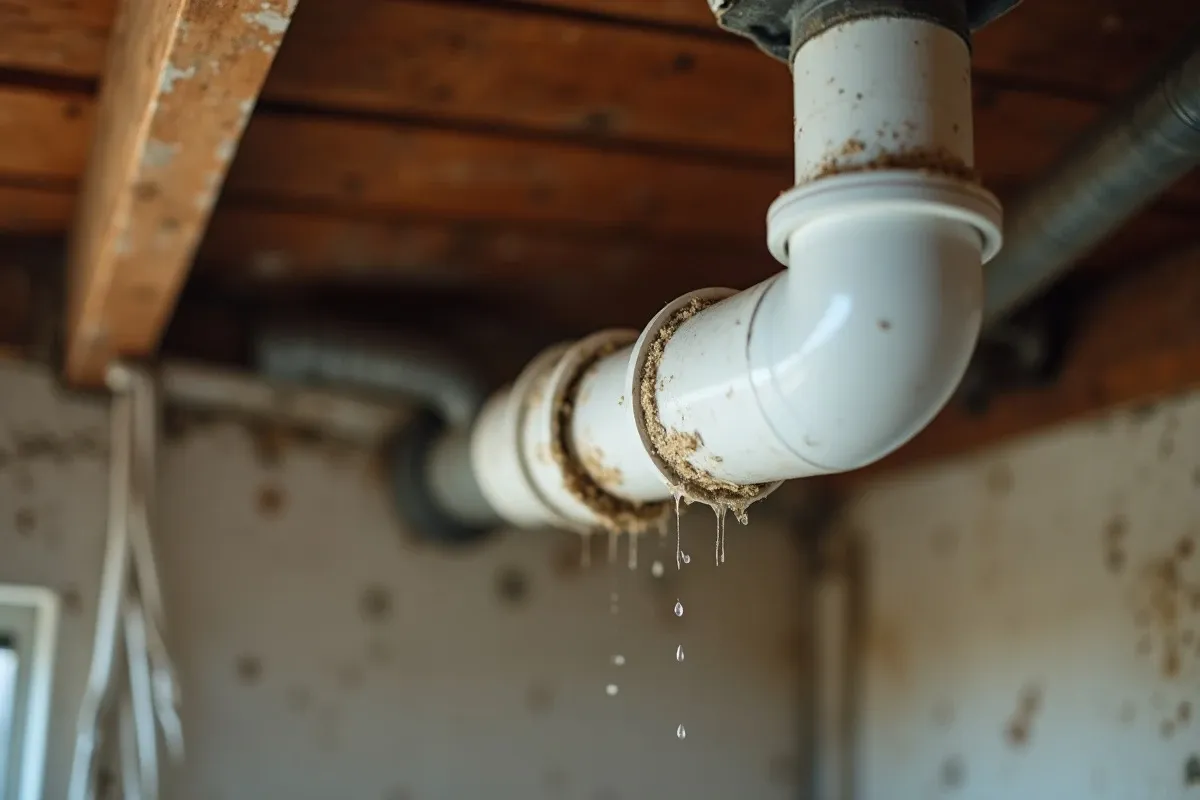
AC condensate line clogs and drain pan failures. A Phoenix air conditioner runs from roughly April through October. It pulls moisture from indoor air and drains it through a condensate line — steady water flow for months. When the line clogs with dust and algae, that water ends up in the ceiling or wall below the air handler. No amount of desert sun reaches that ceiling void.
Monsoon roof leaks. From mid-June through September, Phoenix receives roughly half its annual rain in intense thunderstorms. Flat and low-slope roofs on ranch and mid-century homes take on water through hairline cracks in roofing membrane or failed flashing. The water soaks attic insulation and the underside of the roof deck in the dark.
Slab and pinhole pipe leaks. Older Arcadia, Coronado, and Encanto-area homes sit on concrete slabs with copper or galvanized plumbing that’s 60 to 70 years old. A pinhole leak wicks into flooring and baseboards for months — under floors, behind walls, in the dark.
Evaporative cooler moisture. Many older Phoenix homes in Maryvale, Sunnyslope, and South Phoenix run evaporative coolers that deliberately add humidity to indoor air. A neglected cooler grows mold inside its ducts and pushes it through the house whenever it runs.
Pool and irrigation overspray. Constant pool splash and sprinkler overspray on north-facing stucco walls creates chronic dampness that can feed mold on the interior drywall. The shaded side of a wall may never see direct sun.
None of these drivers is affected by how sunny Phoenix is. The only thing that changes mold risk in a Phoenix home is controlling the indoor moisture source.
What the CDC and EPA say you should actually do
The CDC’s mold guidance and EPA both point to the same fundamental principle: fix the moisture source, then remove the mold physically.
Sunlight exposure is not on either agency’s list of mold remediation steps. What is on the list:
- Stop the water first. Find and repair the leak, clear the condensate line, fix the roof, or service the cooler. Mold cleaned without fixing the source returns within weeks.
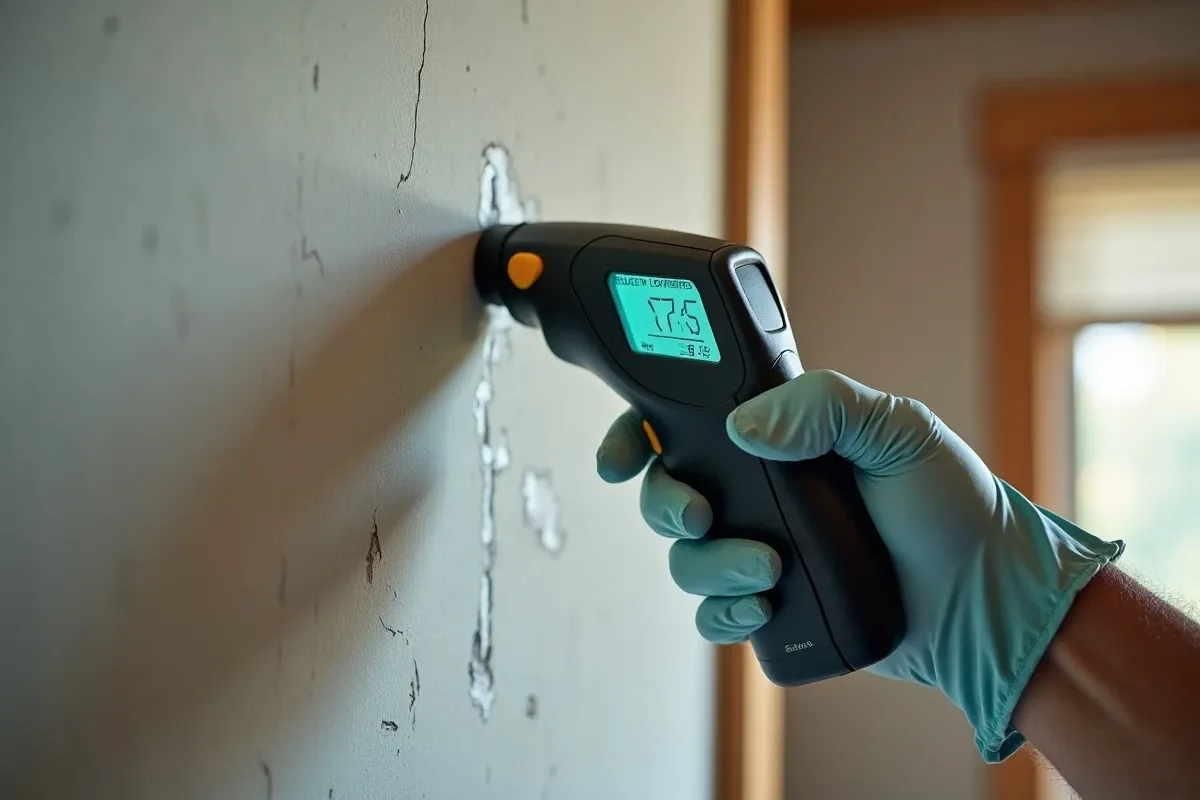
- Use a moisture meter to confirm the source. Surface dryness doesn’t mean the wall cavity or subfloor is dry. A moisture meter reads through building materials to find hidden wet zones.
- Remove, don’t just kill. Per the EPA, mold must be physically removed from affected materials — not just dried, sprayed, or “baked out.” This means removal of mold-contaminated drywall, insulation, or wood in cases of significant growth.
- Know when to call a professional. The EPA’s rule of thumb: mold areas under roughly 10 square feet on hard, non-porous surfaces can be DIY-handled with soap and water or diluted bleach, gloves, and an N95. Larger areas, mold inside walls or attic, or mold following sewage or flooding, call for a professional who can contain the spores during removal.
Sunlight on outdoor surfaces: the honest but limited case
To be precise about the one case where sunlight does matter: if you have mold on an outdoor surface fully exposed to direct sun — a south-facing concrete patio, an exposed deck board — extended sunlight exposure can inhibit or kill that surface mold.
But even here, the limitation is important. The EPA is explicit that dead or dormant mold can still cause allergic reactions and must be physically removed. Sun exposure that kills outdoor surface mold still leaves the dead mold in place, and the spores remain viable. Scrubbing, removing, and allowing the surface to stay dry is the actual fix — sunlight is an assist, not a solution.
The real question for a Phoenix homeowner
If you’re wondering whether the Arizona sun will take care of a mold problem for you, the honest answer is no. The sun doesn’t reach where the mold is. The heat doesn’t get high enough inside living spaces to kill it. And even if heat or drying knocked a colony dormant, that’s not the same as removing it.
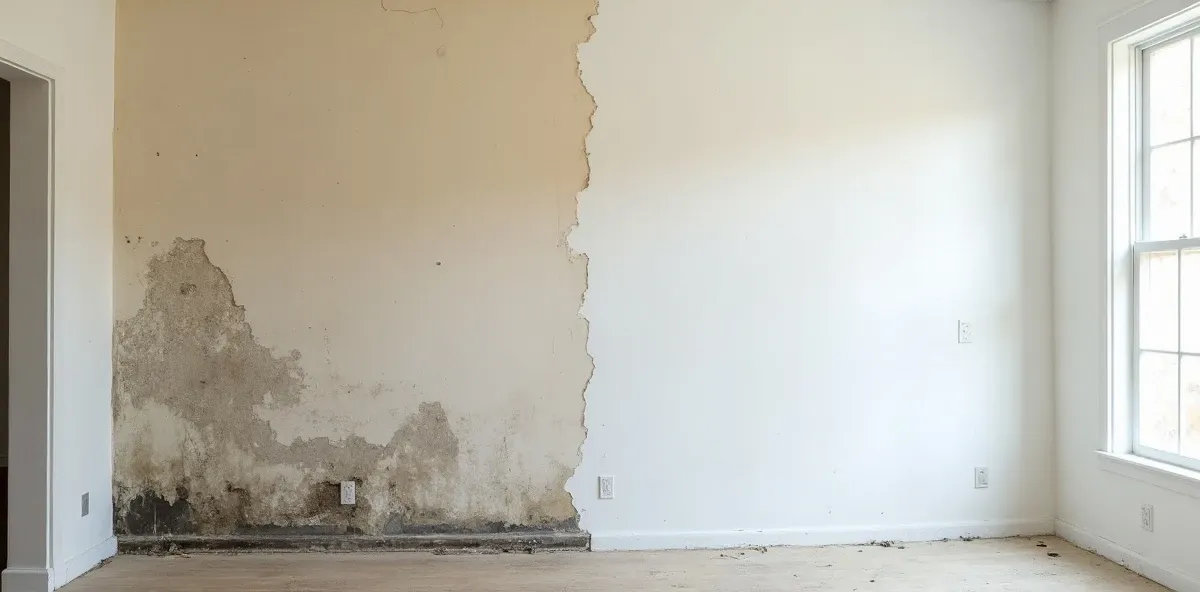
What does address mold in a Phoenix home: fixing the specific indoor moisture source — the condensate line, the slab leak, the monsoon roof breach — and then physically removing and replacing the affected building material. Our mold removal service page covers what that process looks like — including the remediation steps a bigger job needs — and what to expect.
If you’ve smelled something musty and can’t place it, or found a stain you’re not sure about, the fastest next step is to find out what’s behind it. A free, no-obligation quote includes an assessment of where the moisture is coming from. Browse the full library of Phoenix mold guides for more on specific mold types and locations.
Sources
- U.S. EPA — A Brief Guide to Mold, Moisture and Your Home: moisture control as the key to mold control; the 24-to-48-hour window to dry water-damaged materials before mold grows; statement that dead mold must be physically removed.
- U.S. EPA — Mold Cleanup in Your Home: the 10-square-foot rule of thumb for DIY vs. professional remediation.
- U.S. EPA — Does ultraviolet (UV) radiation from UV lamps kill mold?: typical home UVGI units have limited effectiveness against mold; dead mold spores can still cause allergic reactions.
- World Health Organization — Radiation: Ultraviolet (UV) radiation: UVC is completely filtered by the atmosphere and does not reach the earth’s surface; surface sunlight is largely UVA with a small UVB component.
- CDC — Mold — Basic Facts: where mold grows, health effects, and at-risk populations.
- Arizona Department of Health Services — Mold in the Home fact sheet: state-level guidance for Arizona residents.
- National Weather Service Phoenix — monsoon season defined June 15 – September 30. weather.gov/psr