Phoenix HVAC & Air Duct Mold Removal Services
HVAC mold removal across the Phoenix metro. Coil cabinet, condensate pan, ductwork, and evaporative-cooler mold — including the Baehr-verdict-tested check for oversized-AC condensation issues. Free quote.
- Coil cabinet, drain pan & ductwork mold cleanup
- Baehr-verdict check for oversized-AC condensation
- Evaporative cooler duct mold — the Phoenix classic
- Free quote & IICRC S520 standard
- Free, no-obligation quotes Know the cost before you commit
- Local Phoenix-metro pros People who know desert mold
- Fast response Mold spreads — we move quickly
- Honest pricing, no scare tactics Only fix what needs fixing
Professional HVAC and air duct mold removal in Phoenix
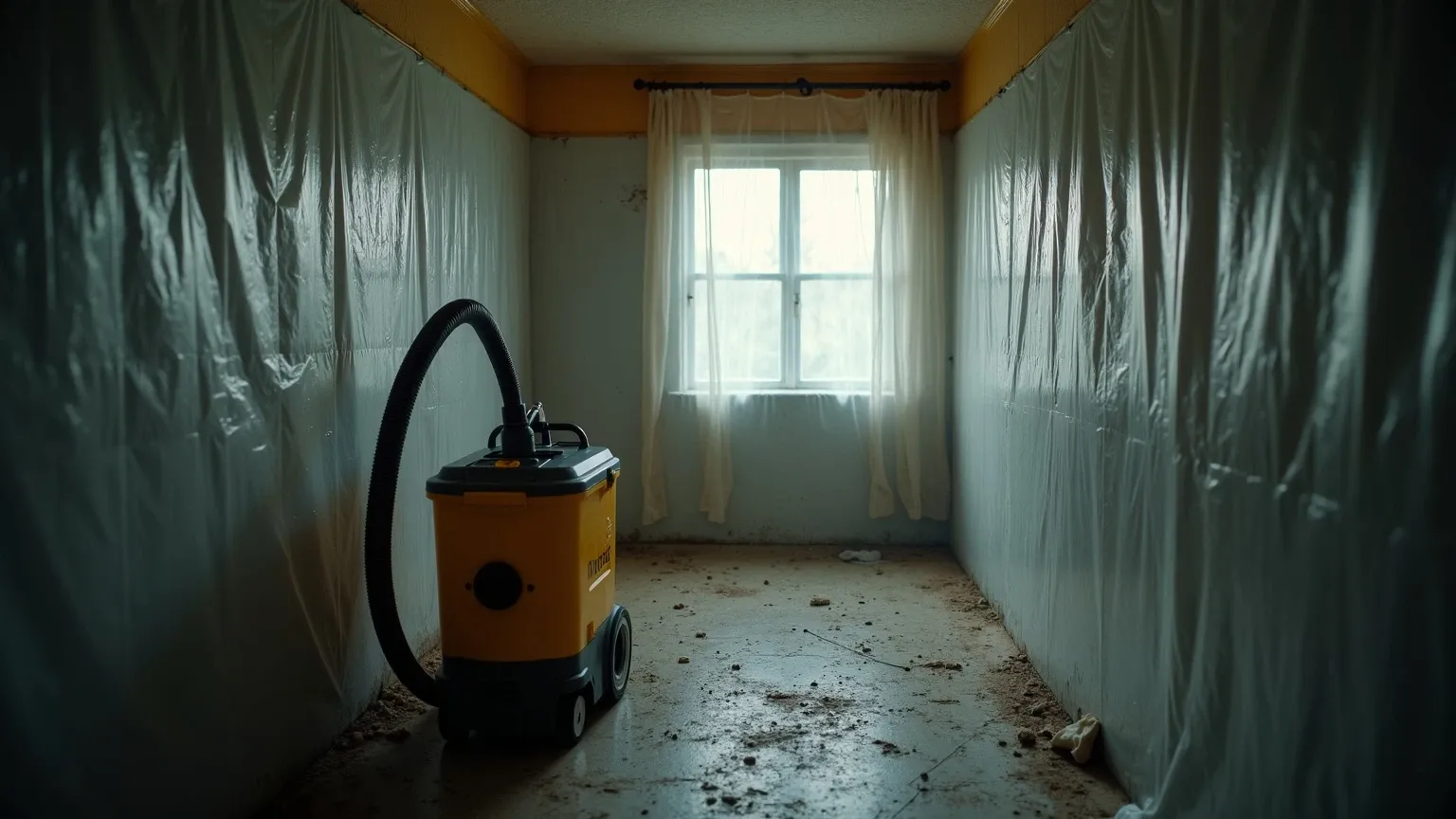
HVAC mold removal in Phoenix is a specialty service because the HVAC system is uniquely bad at spreading mold once it establishes — every cycle blows spores from the contaminated cabinet or ductwork throughout the entire home. The IICRC S520 process is adapted for HVAC work: system shutdown and containment during work, physical removal of any mold-damaged internal components (contaminated flex-duct liner, damaged drain pan, insulated interior panels), HEPA-vacuuming of sheet-metal ductwork, cleaning and sanitizing of the coil cabinet and evaporator coil, condensate drain-line clearing and rerouting, and moisture-source repair. The moisture source is often the AC system's own design or maintenance — clogged condensate line, failed drain pan, or (more subtly) an oversized system that short-cycles and never fully dehumidifies.
Where HVAC mold hides in Phoenix homes
- Coil cabinet and evaporator coil. The evaporator coil condenses moisture from indoor air during cooling; the cabinet stays wet between cycles. Biofilm and mold establish on the coil surface, the drain pan, and the interior cabinet walls. Common where AC is oversized (short-cycling), or maintenance has been deferred (no annual coil cleaning).
- Drain pan and condensate line. A clogged condensate line lets water sit in the drain pan continuously — perfect mold-growth conditions. On attic-installed air handlers this also drips into the ceiling below (see ceiling mold removal).
- Ductwork interior. Sheet-metal ducts with any moisture source (from unsealed joints, condensation on cold ducts in humid summer conditions, or an evaporative-cooler upstream) grow surface mold. Internally-insulated flexible ductwork with any moisture grows mold on the porous liner — this material typically has to be replaced rather than cleaned.
- Return-air side. A bathroom exhaust fan, a dryer vent, or a whole-house dehumidifier discharge routed into the return-air side of the ductwork (a common Phoenix code violation on retrofits) adds moisture continuously.
- Evaporative-cooler ductwork. Older Maryvale, Sunnyslope, and South Phoenix homes with under-maintained swamp coolers grow mold inside the ductwork and around ceiling registers. The mold isn't visible from the room but the musty smell is unmistakable during operation.
Baehr v. Woods and the oversized-AC problem in Phoenix
In August 2023 a Texas jury awarded $3.1 million in Baehr v. Woods Comfort Systems, finding an HVAC installer 40% liable for an oversized short-cycling air handler that produced persistent coil-cabinet condensation and mold growth. The physics apply exactly in Phoenix: an oversized central AC system in a Valley summer never runs long enough to properly dehumidify, and the evaporator coil cabinet stays wet between cycles — perfect conditions for mold. A proper Phoenix HVAC mold inspection checks not just the drain line and cabinet interior but the system's sizing relative to the home's cooling load and its run-time pattern. Because a design defect (oversized system) looks different from a maintenance defect (clogged drain) and matters differently for insurance and any potential contractor claim. Our documented mold illness cases reference has the Baehr case file, and our mold inspection service includes this check.
Get a fast, free, no-obligation quote for professional HVAC mold removal in your Phoenix home using the form above. Related services: mold inspection including HVAC assessment, ceiling mold removal where the AC condensate soaked ceiling drywall, attic mold removal for attic air handler surroundings, and the Phoenix HVAC mold removal cost breakdown. See all our Phoenix mold services.
Frequently asked questions
What causes HVAC mold in Phoenix homes?
A poorly-drained condensate pan, a clogged condensate line, an oversized AC unit that short-cycles and never fully dehumidifies, a bathroom exhaust or dryer venting into the return-air side of the ductwork, and evaporative-cooler humidity pushing moist air through the ducts. Every one of these keeps the interior of the HVAC system wet enough for mold to establish on the coil cabinet, drain pan, or duct interiors.
How much does HVAC mold removal cost in Phoenix?
Phoenix HVAC mold removal typically runs $1,500 to $6,000 depending on the extent of ductwork contamination, whether the air handler cabinet requires opening and internal cleaning, and whether any ductwork has to be replaced rather than cleaned. Whole-system HVAC mold cleanup with duct replacement on a multi-zone system can run higher. See our HVAC mold removal cost page.
What is the Baehr HVAC verdict and why does it apply to Phoenix?
In August 2023 a Texas jury awarded $3.1 million in Baehr v. Woods Comfort Systems, finding the HVAC installer 40% liable for an oversized short-cycling air handler that produced persistent coil-cabinet condensation and mold growth. The physics apply exactly in Phoenix: an oversized central AC in a Valley summer never runs long enough to dehumidify, and the coil cabinet stays wet between cycles. A proper Phoenix HVAC mold inspection checks not just the drain line but the system sizing and run-time patterns. See our documented mold illness cases reference.
Do you clean or replace mold-contaminated ductwork?
It depends on the material. Sheet-metal ductwork with surface mold can usually be professionally cleaned with mechanical agitation and HEPA-vacuuming. Internally-insulated flexible ductwork (common in newer Phoenix builds) with mold growth on the interior lining typically has to be replaced — the porous liner cannot be effectively cleaned. Fiberglass duct board with mold contamination also requires replacement.
How do you know if your HVAC system has mold?
A persistent musty smell that gets stronger when the AC runs, visible mold on registers or in accessible ductwork, mold or biofilm on the coil cabinet visible through the access panel, a slimy or moldy drain pan when inspected, and elevated spore counts on interior air samples compared to outdoor controls. A professional mold inspection with air sampling can confirm whether the HVAC system is the source.
Worried about mold in your Phoenix home?
Get a fast, free, no-obligation quote. No pressure, no scare tactics — just a straight answer.