How much does bathroom mold removal cost in Phoenix?
A contained bathroom or shower mold job typically runs $500–$1,500. When mold is hidden behind the tile, inside the wall cavity, or under the subfloor, a cut-out-and-rebuild bathroom job climbs toward ~$8,000 — the demolition to reach it is the real cost driver. In Phoenix, the other variable most homeowners miss is the moisture source: grout failure and hidden leaks are cheap to fix; a shower pan leak that has soaked the subfloor or a supply-line drip that has been running for months is not.
Get my free bathroom mold quote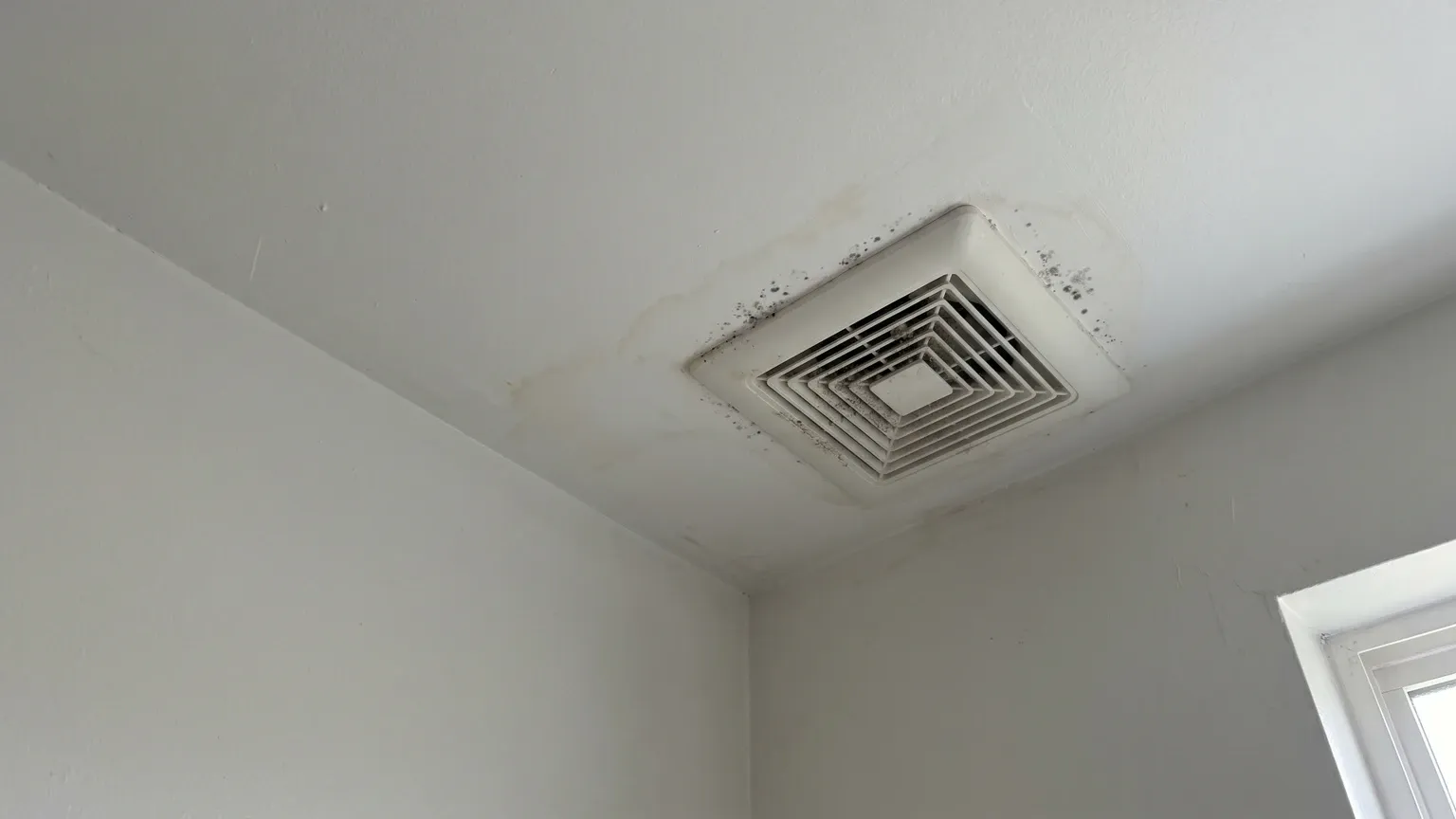
What bathroom mold removal actually costs in Phoenix
These ranges come from HomeAdvisor (2026), Bob Vila (2024), SERVPRO (2026), and Fixr (2025), cross-checked against our own 30-company Phoenix pricing study. They are estimates — not quotes. Your actual number depends on where the mold is, how deep it has gone, and whether the moisture source needs a separate repair. See the full Phoenix mold removal cost breakdown for other scenarios.
| Scope | Typical range | What it covers |
|---|---|---|
| Small surface spot (bathroom/closet, under ~10 sq ft) | $500–$800 | A small, contained spot on a hard surface. Under ~10 sq ft with the moisture already fixed, EPA says many homeowners can DIY — a floor, not a green light. |
| Bathroom / shower | $500–$1,500 | Typical contained bathroom job. Can reach ~$8,000 if mold is hidden behind the tub, sink, or inside the wall (cut-out + rebuild). |
| Single room / surface drywall | $800–$2,500 | One affected room — containment, surface drywall removal, drying. Mold only on the visible face. |
| Drywall — mold behind / inside the wall | $2,500–$20,000 | Once mold is through the back of the drywall it is cut-and-trash, not cleanable; demolition to reach it raises the rate and the band scales with area. National source range is $1,000–$20,000 for walls; behind-the-wall work sits in its upper half, so we floor it where surface work ends. |
A note on the per-square-foot rate you may see elsewhere: national cost guides publish a rough $10–$25/sq ft figure, but our 30-company Phoenix audit found this is national boilerplate that local companies never actually quote. Use it only to gauge scale — not as a price to expect. The per-location bands above are the realistic starting points.
The surface-vs-behind-the-wall split — why the range is so wide
Bathroom mold removal has an unusually wide cost spread because the price depends almost entirely on one question: is the mold on the surface or behind it?
Surface mold — on tile grout, painted drywall, or caulk — can be treated and removed without opening the wall. Containment goes up, the crew cleans and treats the affected area, replaces any soft drywall on the face, and seals. This is the $500–$1,500 scenario.
Behind-the-wall mold — in the cavity behind tile, in the backer board, the insulation, or the subfloor — requires demolition to reach. Tile comes off. Drywall is cut out. Contaminated backer board and insulation are bagged. All of it is rebuilt after the mold crew signs off. That rebuild — new drywall, tile, paint — is a separate contract on top of the remediation price, which for a hidden bathroom job typically climbs toward ~$8,000. For a free look at whether yours has crossed that line, see the Phoenix mold inspection page.
Phoenix-specific bathroom mold drivers
The pattern that determines whether a bathroom mold job stays surface-level or escalates is almost always rooted in one of three moisture sources specific to Phoenix homes:
Exhaust fans venting into the attic instead of outside
This is a code-compliance issue that is more common in Phoenix homes than most homeowners realize. When a bathroom exhaust fan duct terminates into the attic — rather than exiting through a roof or soffit vent — all the moisture it pulls from the shower dumps into the attic instead of outdoors. The ceiling just below the fan stays damp, and mold grows on the ceiling drywall or around the fan housing. The visible mold in the bathroom is often modest; the unseen damage in the attic can be much larger. Correcting the duct route (extending it to a proper exterior vent) is the fix, and it is separate from the mold removal itself.
Shower pan, tile, and grout failures
Shower pans fail at the drain seal and at the perimeter where the pan meets the tile surround. Grout cracks and failed caulk lines let water reach the backer board behind the tile with every shower. If that moisture goes undetected for months — as it often does in a dry climate where surface evaporation is fast — the backer board and wall cavity behind it can be thoroughly mold-colonized while the tile face looks fine from the outside. A soft or hollow-sounding wall section is the most reliable early sign.
Slab and supply-line leaks under a ground-floor bath
Phoenix homes are mostly slab-on-grade, and the supply and drain lines run through or under that slab. A slow leak from a copper or CPVC supply line — often undetected until a water bill spikes or a floor feels warm — can keep the subfloor and wall base continuously damp. By the time visible mold appears at the baseboard, the damage under the floor may already be extensive. This is the scenario most likely to push a bathroom job beyond the bathroom band entirely — into the broader $2,500–$20,000 water-damage range — because it requires subfloor removal, slab-level plumbing repair, and full bathroom reconstruction on top of the mold remediation. For the full picture, see our bathroom and shower mold guide.
The costs that come on top of the mold removal
The mold crew price covers containment, removal, cleaning, disposal, and drying. It does not cover everything involved in a complete bathroom repair. Budget for these separately when relevant:
- Fixing the moisture source — the grout repair, the shower pan re-seal, the supply-line fix, or the exhaust fan re-routing that stops the mold from returning. This is billed by a plumber, tile contractor, or HVAC tech — not the mold crew. It is often the biggest line on the whole job. The model note is clear: mold will return if the source is not fixed first.
- Water mitigation — if a pipe failure caused standing water or saturated a floor, water-damage restoration (extraction and structural drying) is a separate upstream service running $1,200–$6,000, billed before remediation begins.
- Reconstruction — any tile, drywall, backer board, or flooring that was removed to reach the mold has to be rebuilt. That is a separate contract from a tile contractor or general contractor, not part of the mold crew scope.
- Clearance testing — an optional post-remediation test (typically $250–$500) that confirms the job passed. Not always required for a contained bathroom job, but worth requesting if there was extensive behind-the-wall work.
Do not add all of these to get a total — most jobs involve only some of them. The mold guides hub has a range of practical resources for understanding what each step involves before you start getting quotes.
Can you remove bathroom mold yourself?
The EPA's guidance is that a surface spot under about 10 square feet on a hard, non-porous surface can be DIY cleaned once the moisture is fixed. In a bathroom, that window is narrow. Grout and painted drywall are porous enough that mold can penetrate into the substrate even when it looks surface-level. Tile is non-porous, but the grout joints and the backer board behind the tile are not.
The practical DIY limit in a bathroom is a small patch of visible grout or caulk mold with the moisture source already repaired — typically under 2–3 square feet, with no soft wall sections nearby. Anything where the wall feels soft, where you can see mold tracking into a grout line from behind, or where there is any smell of mold after the surface is dry warrants a professional assessment. A mold inspection first tells you whether the scope is DIY-appropriate before you start pulling tile.
How to get a real number for your bathroom job
The $500–$1,500 range is a starting point to sanity-check quotes — not a substitute for a real inspection. The fastest way to know whether your bathroom job is a surface clean or a demolition-and-rebuild is a free, no-obligation inspection that identifies the moisture source and tests whether the wall has been compromised behind the tile.
Get a real number for your bathroom mold job
Surface or behind the wall, Phoenix-specific moisture source or not — the actual cost depends on what an inspection finds. Tell us what you're seeing and we'll get you a free, no-obligation quote scoped to your specific situation.
Bathroom mold removal cost questions
How much does bathroom mold removal cost in Phoenix?
A contained bathroom or shower mold job in Phoenix typically runs $500–$1,500. That covers a surface problem on tile, grout, caulk, or a small patch of drywall where the moisture is already fixed. If mold is hidden behind the tile, inside the wall cavity, or under the subfloor, the job climbs toward ~$8,000 for the cut-out and rebuild — the demolition required to reach it is the cost driver. A bathroom whose mold is fed by a slab leak or flood becomes a multi-room job that can reach the broader $2,500–$20,000 water-damage band. Source: HomeAdvisor 2026, Bob Vila 2024, SERVPRO 2026, Fixr 2025.
What is the difference between a surface bathroom mold job and a behind-the-wall job?
A surface job — grout, caulk, painted drywall, or the face of a tile surround — stays in the $500–$1,500 band because the crew can treat and remove it without opening the wall. A behind-the-wall or under-subfloor bathroom job runs up to roughly $8,000 because tile has to come off, drywall gets cut out, contaminated backer board and insulation are bagged and removed, and all of it has to be rebuilt afterward. The rebuild (drywall, tile, paint) is a separate contract on top of the remediation price.
Can I remove bathroom mold myself?
The EPA's general guidance is that a surface spot under about 10 square feet on a hard, non-porous surface can be DIY cleaned once the moisture source is fixed — a job in roughly the $500–$800 range if you hired it out. Grout lines and painted drywall are borderline: mold can penetrate into the porous substrate even when it looks surface-level. Anything suspected behind tile, in the wall cavity, or under the floor requires professional access and containment. On a health-topic site: if in doubt, inspect first.
Why is fixing the water source a separate cost?
The mold crew handles containment, removal, and treatment. Fixing the pipe, grout failure, or exhaust fan that let moisture in is a separate trade repair — a plumber, tile contractor, or HVAC tech. That repair is billed independently and is frequently the largest single line of the whole job. The model note on this is direct: mold will return if the moisture source is not fixed first. Budget for it separately, get the trade quote on its own.
Does homeowners insurance cover bathroom mold removal in Arizona?
Sometimes. Arizona policies typically cover mold that followed a sudden, covered water event — a burst supply line, a pipe failure behind the wall. They generally exclude mold from a slow grout leak or a shower pan that has been failing for months, which most insurers treat as a maintenance issue. The outcome depends on your specific policy language and the documented timeline of the damage. Get a quote from a remediation contractor, document what you find, then contact your insurer about your specific situation before committing to the scope.
Does a mold inspection make sense before bathroom mold removal?
If you can see the mold on the surface and the scope is obvious, an inspection rarely changes what you do next — you go straight to removal. A visual inspection in Phoenix runs $200–$450. It pays off when the problem is suspected but not confirmed: a musty smell with no visible growth, a shower wall that feels soft, or a previous mold treatment that may not have reached the source. In those cases, knowing exactly where the mold is before opening walls saves money on the remediation scope.