Bathroom Mold and Shower Mold: The Honest Phoenix Guide
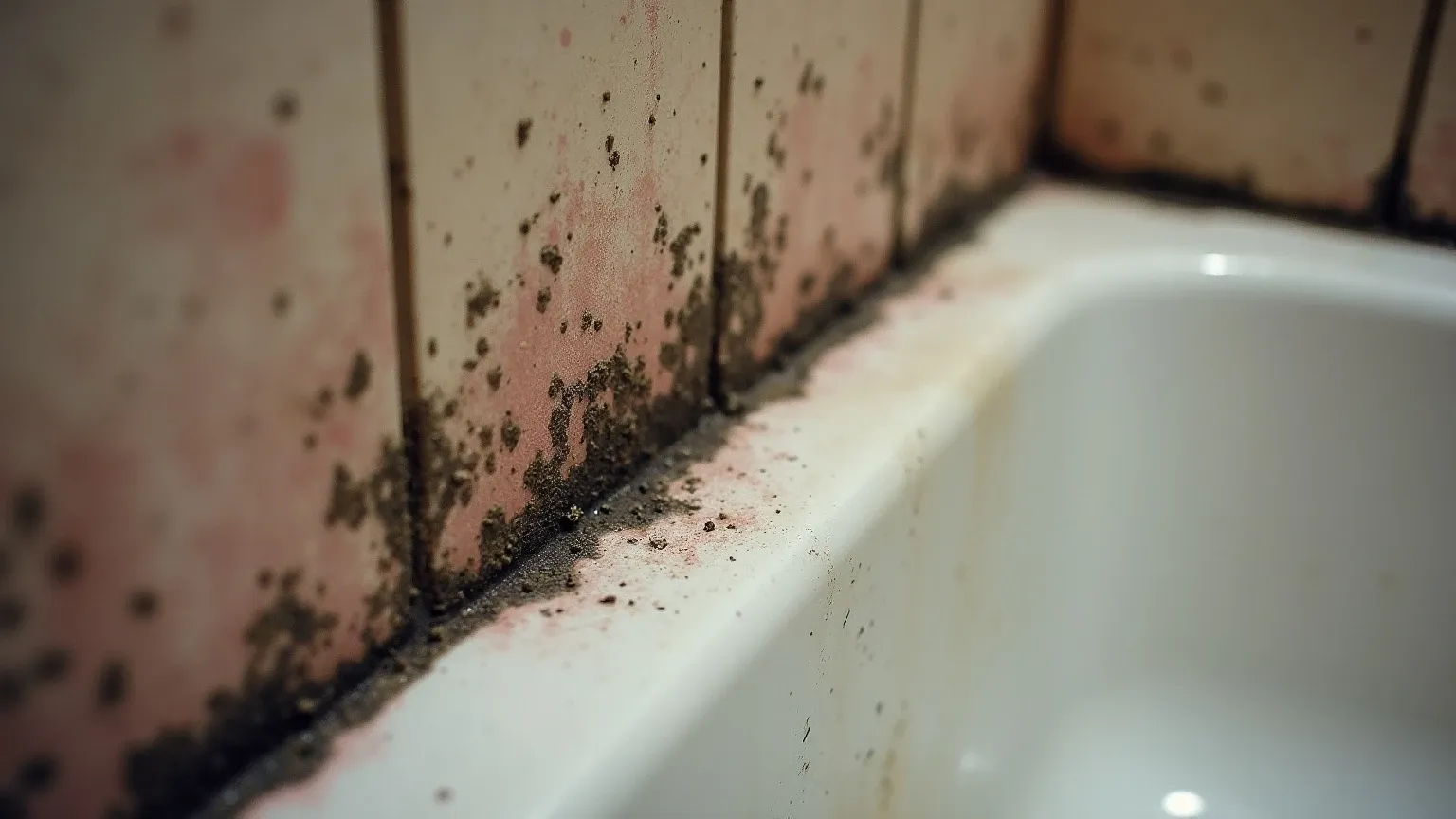
Bathroom mold grows wherever steam, porous surfaces, and poor ventilation meet. In Phoenix, persistent bathroom or shower mold is almost never about outdoor humidity — it is almost always a ventilation failure or a hidden water source. The dry desert air outside your walls does not cause it, but it does make a continued mold problem a clear signal that something inside is staying wet.
Why bathrooms grow mold
The mechanism is simple. A shower raises the humidity in an enclosed space in minutes. That moisture settles on grout, caulk, drywall, and wood. If those surfaces stay damp long enough — because the fan is weak, the room is poorly ventilated, or steam has no way out — mold spores already present in the air find a food source and grow.
The four conditions mold needs are moisture, a porous organic surface, moderate temperatures, and time. A bathroom provides all four by default unless something is actively working against them.
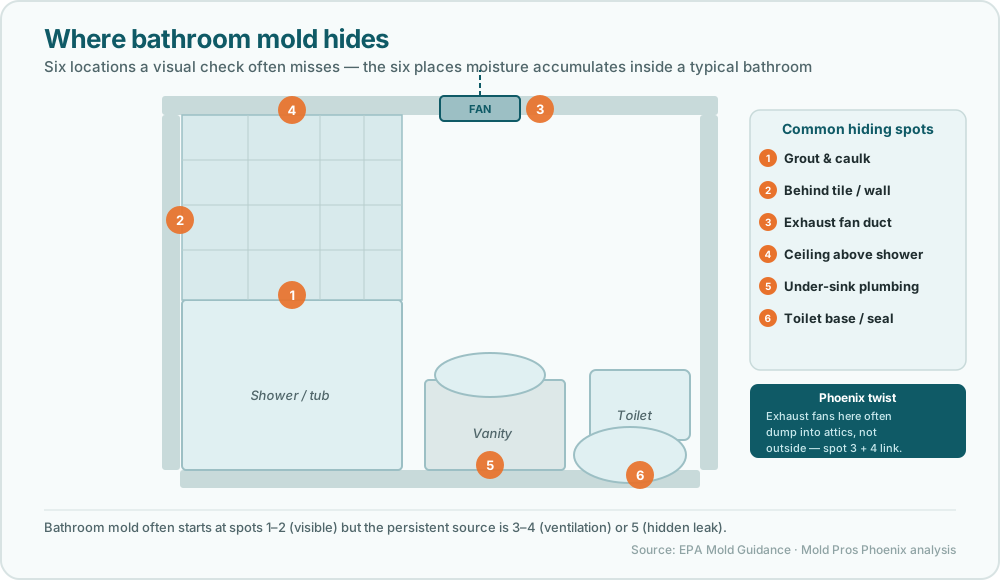
Grout is porous by design. Caulk cracks and peels over time, letting water behind tile. Drywall behind a shower backer board can stay damp from minor seeps. The ceiling above the shower gets direct steam exposure every day. Any of these can become an ongoing mold site if moisture accumulates faster than the surface dries.
The Phoenix-specific reality
Outdoor air in Phoenix is dry. Relative humidity ranges from roughly 15 to 30 percent for most of the year, spiking during monsoon season from mid-June through September. That dry air means a persistent bathroom mold problem here is almost never ambient — it points to a specific, containable source inside the home.
Two local quirks make Phoenix bathrooms different from what most national mold guides describe.
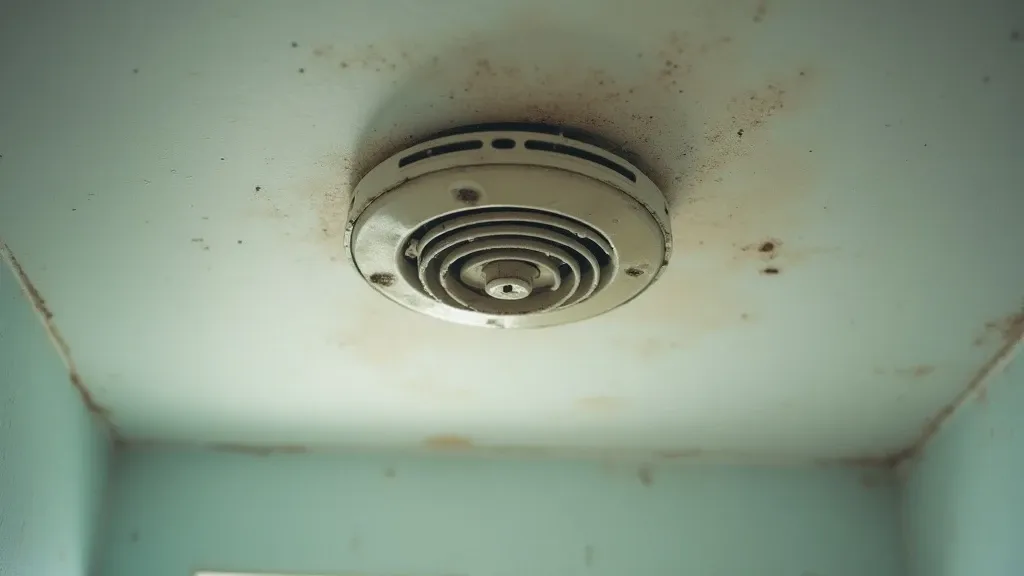
Exhaust fans venting into the attic. In many Phoenix homes, bathroom exhaust fans were installed without ductwork running all the way outside. The fan draws humid shower air up through the ceiling — and dumps it directly into the attic space. In a hot desert attic, that moisture hits the underside of the roof decking and the insulation batts. The guide on attic mold covers what happens when that warm, moist air meets the cooler roof framing: the conditions that produce attic mold colonies tied directly to bathroom ventilation. If your bathroom fan runs but your attic has mold, check where the duct terminates.
Slab-foundation plumbing. Most Phoenix homes in central, mid-century, and older neighborhoods are slab-on-grade construction — plumbing runs through or under the concrete slab rather than through a basement or crawl space. A slow pinhole leak or failed fitting in a bathroom supply line can seep water into the slab and wick upward through flooring and wall framing, feeding a mold source that has nothing to do with shower steam. If bathroom mold is at the floor level, at the toilet base, or at the wall-floor junction, a slab or supply-line leak is worth ruling out.
Pink ‘mold’ versus actual black mold
Not everything that grows in a shower is mold, and not everything dark is dangerous.
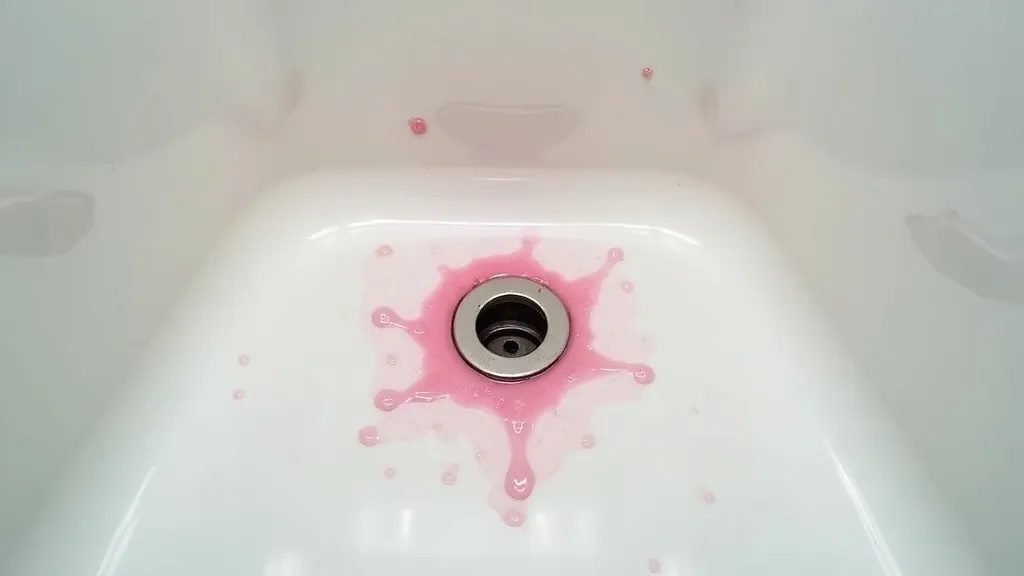
The pink film in the shower drain and on tile grout is usually a bacterial biofilm rather than mold — though which organism is not something you can tell by eye, and one of the candidates is a yeast. It settles into the soap scum, shampoo residue and body oils that collect in moist areas. For healthy adults it is a nuisance; the documented infections from these organisms come from healthcare settings and affect people who are immunocompromised or have indwelling medical devices. The fix: scrub it off with detergent, then disinfect, dry the area completely, and improve ventilation. It returns within days if surfaces stay damp. Our guide to pink mold in the shower covers the identification, the health question and why it keeps coming back.
Black or dark-colored mold in the shower is more often Cladosporium or Aspergillus/Penicillium than Stachybotrys chartarum (the species popularly called “toxic black mold”). Per the CDC’s mold guidance, the species does not change what you should do about it. Any indoor mold growth should be removed. If the growth is visible, you do not need a species test to act.
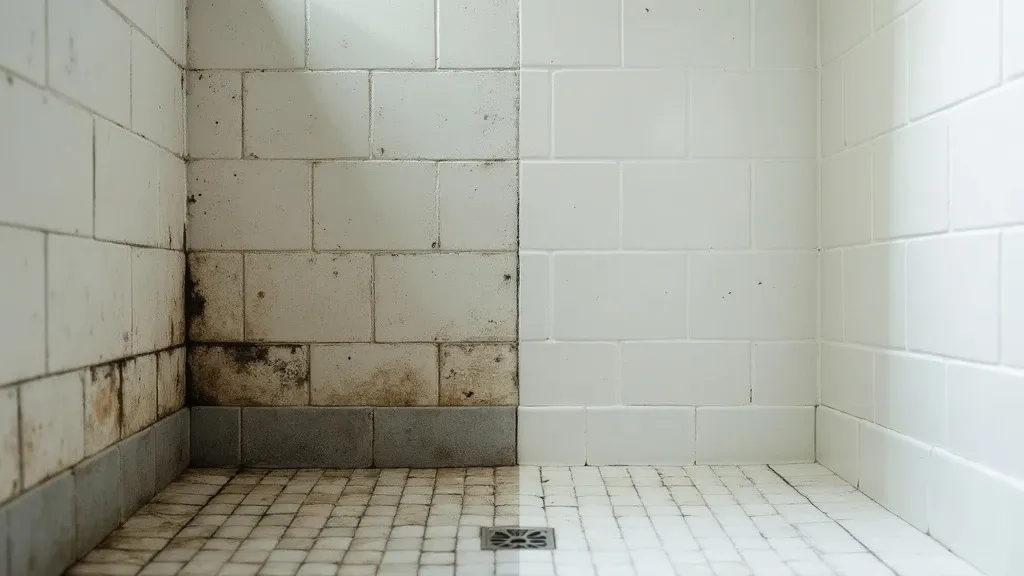
The practical distinction that matters: surface mold on grout and tile (contained, less than 10 square feet) is very different from mold inside the wall — behind the tile backer board, in the ceiling cavity, or in the framing. The first is a cleaning problem. The second is a remediation problem.
What you can clean yourself
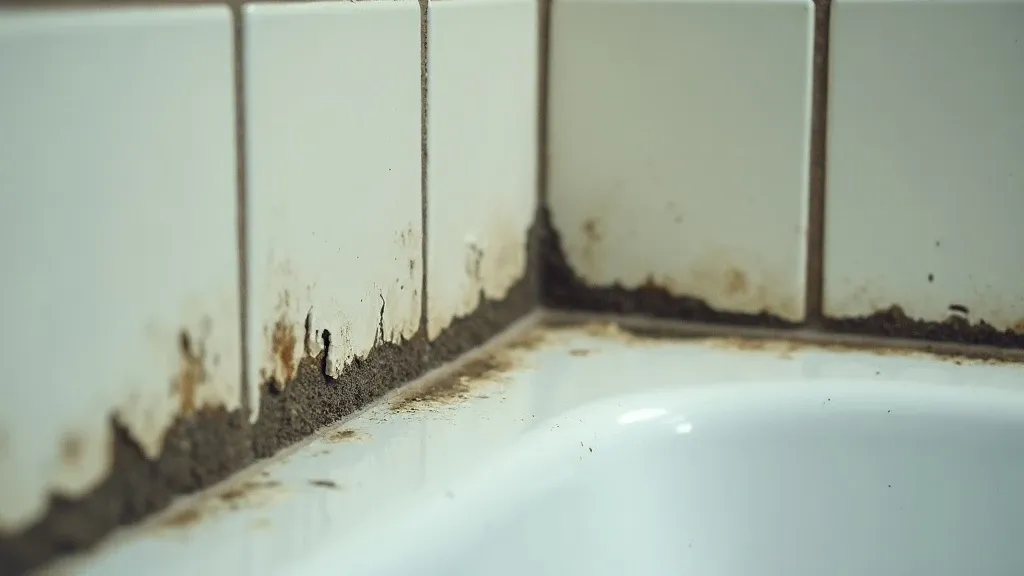
The EPA’s Mold Cleanup guidance establishes a useful rule of thumb: mold covering less than about 10 square feet — roughly a 3-by-3-foot patch — on a hard, non-porous surface is generally manageable as a DIY project.
For bathroom tile, grout, and caulk:
- Protect yourself. Wear rubber or nitrile gloves, an N95 respirator, and eye protection. Open a window or run the exhaust fan to ventilate the space.
- Use soap and water first. Scrub grout and tile with detergent and a stiff brush. This physically removes the mold colony rather than just killing it.
- Follow with diluted bleach if needed. One cup of bleach per gallon of water on non-porous surfaces kills surface mold. Do not mix bleach with ammonia-based cleaners.
- Let it dry completely. Mold does not establish on a genuinely dry surface. Use a fan to speed drying after any cleaning.
- Re-caulk any failed seams. Cleaned caulk that is cracked or peeling will re-harbor mold. Remove all old caulk, let the surface dry for 24 hours, and apply fresh silicone or latex caulk rated for bathrooms.
What means it’s behind the wall
Surface mold that returns within a few weeks of cleaning, even after you fix the ventilation, is telling you the source is not the shower steam. It is behind the surface.
Signs that the problem is inside the wall or under the floor:
- Soft or spongy tile or backer board when pressed
- Grout that cracks or comes loose without physical damage
- A baseboard or wall section that feels damp to the touch
- A musty smell that persists even after thorough cleaning and good ventilation
- Water staining on the wall or ceiling that is not directly above the shower
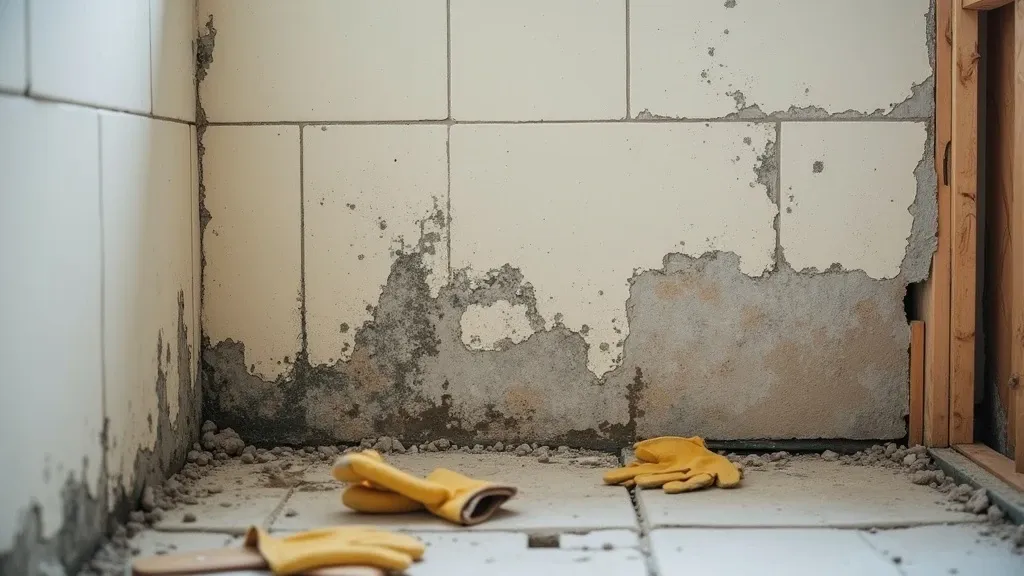
When mold is in the framing, insulation, or drywall behind a shower, proper remediation means containing the area during work so spores don’t travel, removing the affected material (not just treating it), drying the framing completely, identifying and fixing the water source, and replacing the backer board and tile. This is a job that requires professional mold remediation — not because the work is technically exotic, but because containment and thoroughness matter when mold is in a building system rather than sitting on a surface.
A professional mold inspection with a moisture meter can locate the wet zone without opening the wall unnecessarily. The meter reads through drywall and tile to measure moisture content in the framing. A reading above 16 to 20 percent moisture in wood framing indicates active or recent wetting.
When mold keeps coming back, the source is the real problem
Cleaning bathroom mold is not hard. Getting it to stay gone is where most homeowners get stuck.
Recurring mold after cleaning means one of three things:
Ventilation is inadequate. The exhaust fan is undersized, blocked with lint and dust, or discharging into the attic rather than outside. The EPA recommends keeping indoor relative humidity below 60 percent — ideally between 30 and 50 percent. A working bathroom fan, run for at least 20 minutes after showering, can keep bathroom humidity from accumulating. Check the fan’s rated CFM against the room’s square footage: a small fan in a large bathroom provides almost no protection.
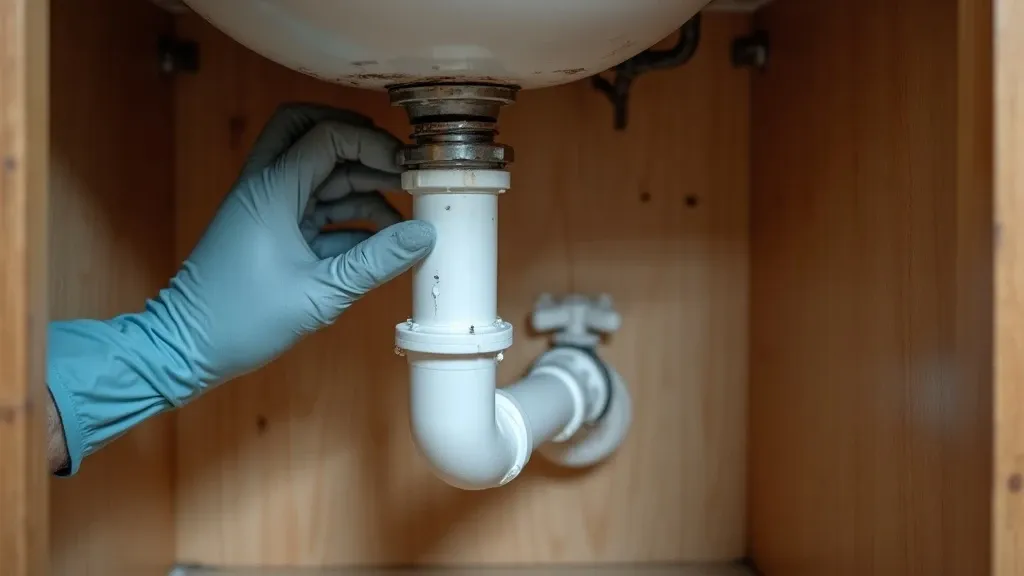
A slow leak feeds a constantly wet surface. Under the sink, behind the toilet tank, at the supply valve, or inside the wall — any drip that keeps a surface wet faster than it can dry will sustain mold indefinitely. Find and fix the drip, and the mold stops. Skip the drip, and it returns no matter how often you clean.
The grout or caulk has failed and water is behind the tile. Failed caulk is effectively a gap in the waterproofing layer. Shower water runs behind tile on every use. A professional re-grout or retile with proper waterproofing membrane (redgard or similar) is the correct fix, not repeated surface cleaning.
Prevention for Phoenix bathrooms
The standard prevention steps apply here, with a couple of local additions.
Run the exhaust fan during and after every shower. The standard recommendation is to run it for 20 minutes after showering. If your bathroom fan has no timer, a simple plug-in timer or a smart switch on a 20-minute delay costs under $20 and removes the memory requirement.
Confirm the fan terminates outside. This is the Phoenix-specific check most guides skip. Go into your attic during the day and look for where the bathroom fan duct goes. It should connect to a duct running to a roof or soffit vent — not terminate into the attic space itself. If it dumps into the attic, re-routing the duct outside is a straightforward repair that eliminates a recurring mold source in both the bathroom ceiling and the attic.
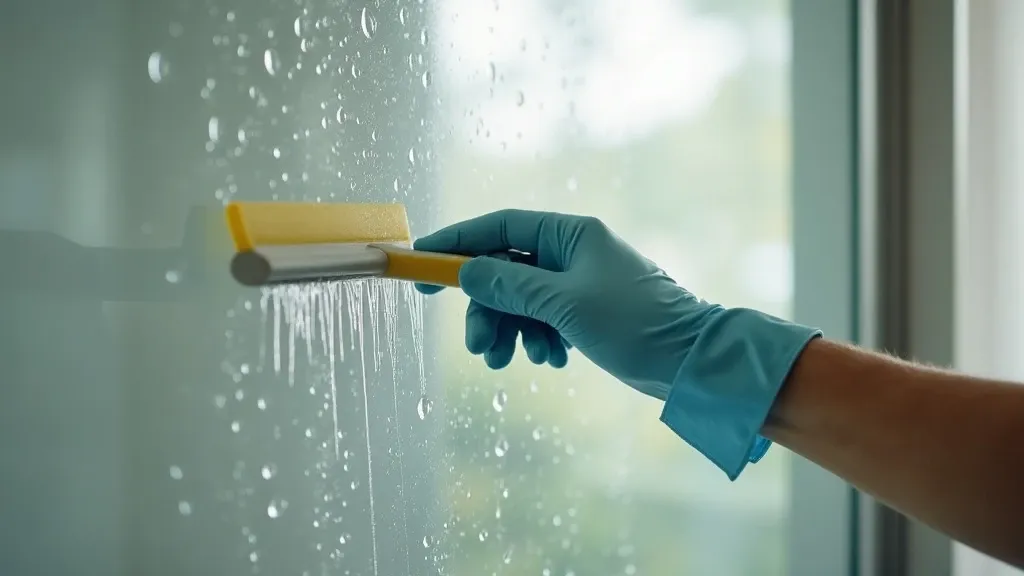
Squeegee tile and glass after every shower. Standing water on tile and glass is the primary moisture source for surface mold. A 90-second squeegee after showering removes most of it. This single habit reduces surface mold significantly.
Re-caulk proactively. Silicone caulk around a tub and shower has a working life of roughly two to three years before it begins to crack and pull away. Re-caulk before it fails, not after mold is visible in the joint.
Fix drips immediately. A dripping faucet or supply valve in a bathroom cabinet may not be visible from the room, but it keeps the enclosed cabinet wet. Fix any drip within a few days of noticing it.
What to do if you’re not sure what you’re dealing with
If you have visible mold under 10 square feet on a hard surface, no signs of wall or floor moisture, and a clear explanation (weak exhaust fan, failed caulk), cleaning it yourself is reasonable. Fix the ventilation, clean the surface, re-caulk, and monitor.
If you have:
- Mold that returns within weeks of cleaning
- A musty smell with no visible source
- Soft tile, loose grout, or a damp wall surface
- A water stain that doesn’t correspond to a visible source
…then something is wet behind the surface. An independent mold inspection with a moisture meter is the fastest way to locate it without unnecessary demolition. If there is active mold in the wall cavity or framing, professional mold removal in Phoenix addresses both the mold and the moisture source. You can also browse the full Phoenix mold guides library for specific types and locations.
Sources
- U.S. EPA — A Brief Guide to Mold, Moisture and Your Home: moisture control as the root cause; recommended humidity range 30–60%; cleaning guidance and when to call a professional.
- U.S. EPA — Mold Cleanup in Your Home: the 10-square-foot rule of thumb for DIY vs. professional remediation; protective equipment; surface cleaning protocol.
- CDC — Mold — Basic Facts: health effects by population; species identification guidance; removal over treatment emphasis.
- Arizona Department of Health Services — Mold in the Home fact sheet: state-level context for Arizona residents.
- Yano T, Kubota H, Hanai J, Hitomi J, Tokuda H — Stress Tolerance of Methylobacterium Biofilms in Bathrooms, Microbes and Environments 2013;28(1):87–95, doi:10.1264/jsme2.ME12146: the survey of 42 pink bathroom biofilms behind the pink-film identification above.