Mold vs. Mildew: How to Tell the Difference (and Which You Have)
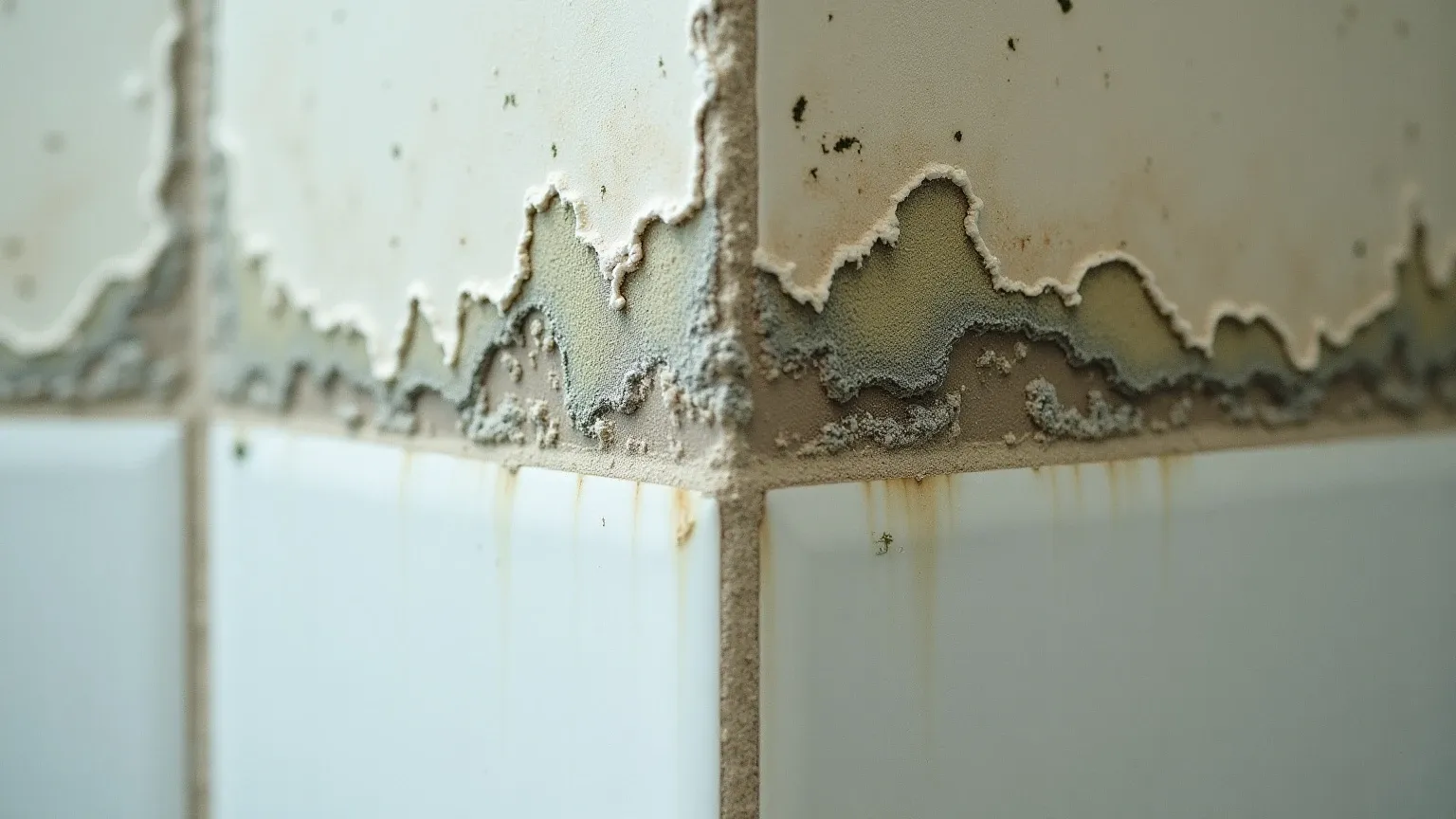
Mildew is a surface fungus — flat, powdery, usually white or gray, growing on a damp surface like grout, and it wipes off. Mold is the deeper one: fuzzy or slimy, green to black, it penetrates drywall or wood, signals a hidden moisture source, and carries real structural and health risk. Texture, depth, and color tell them apart.
The short answer, then the details
People use “mold” and “mildew” interchangeably, but the distinction is practical, not pedantic. It changes whether you reach for a spray bottle or pick up the phone.
Both are fungi. Both need moisture to grow. Both can produce the same musty smell. The difference that matters to a homeowner is depth: mildew is a surface grower that stays on top of whatever it is living on, while mold roots down into the material and keeps going. That one difference drives almost everything else — the texture you see, whether it wipes away, how risky it is, and whether you can handle it yourself. The rest of this guide walks through how to read those signs in a real Phoenix home, where the dry climate actually makes the call easier than it is most places.
Mildew vs. mold, side by side
Before getting into how to tell them apart on your own wall, here is the core of it in one view. The diagram below lines up the two on the signals you can actually check: texture, color, where each grows, whether it wipes off, and the risk each one carries.
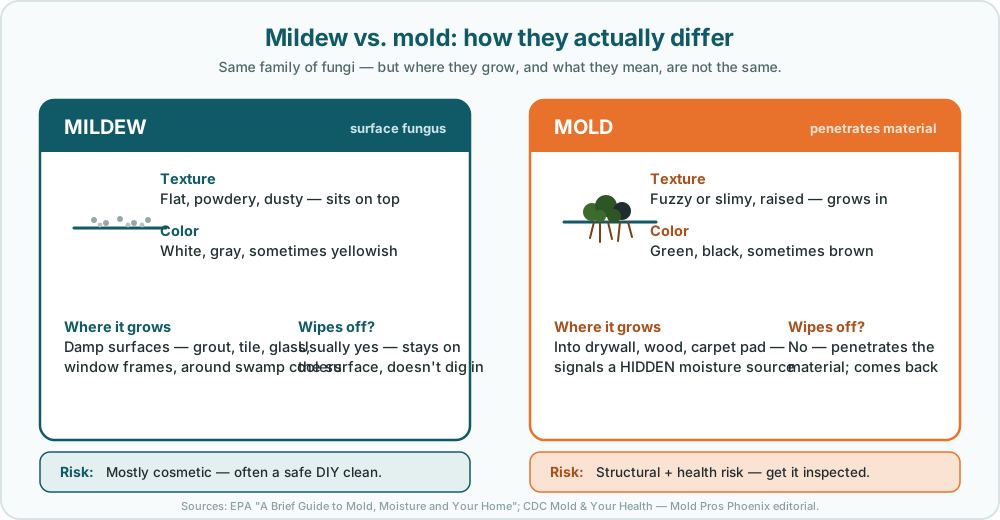
The single most useful line in that table is the last one. Mildew is mostly a cosmetic problem you can often clean yourself. Mold is a signal that water is getting somewhere it should not, and that signal is worth acting on.
How to tell them apart at home
You do not need a lab for a first read. Four checks get you most of the way.
Texture. This is the clearest tell. Mildew is flat and powdery, almost like a dusting of fine talc or a thin film on the surface. Mold is three-dimensional — fuzzy, raised, sometimes slimy or velvety. If you can see depth and texture to the growth, you are looking at mold.
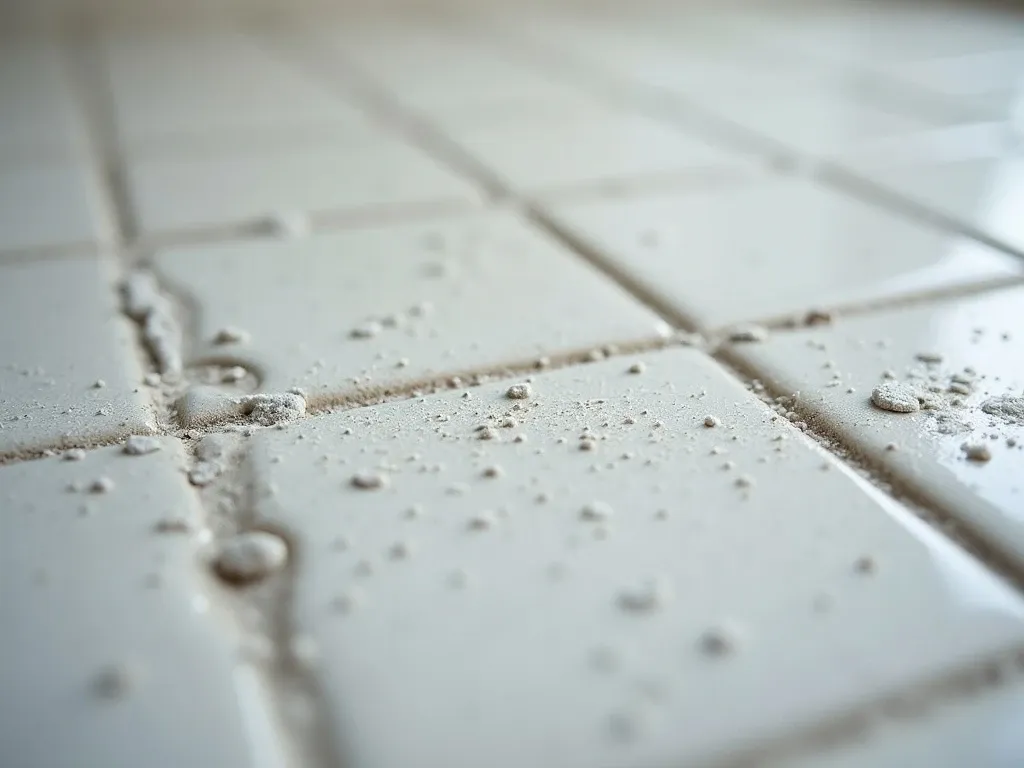
Color. Mildew runs light: white, gray, sometimes a pale yellow as it ages. Mold runs dark and saturated: deep green, black, occasionally brown or with a greenish cast. Color alone is not proof — some mildew darkens, and some mold is light (see white mold vs. efflorescence) — but combined with texture it is a strong indicator. The dark, fuzzy combination is the one to take seriously.
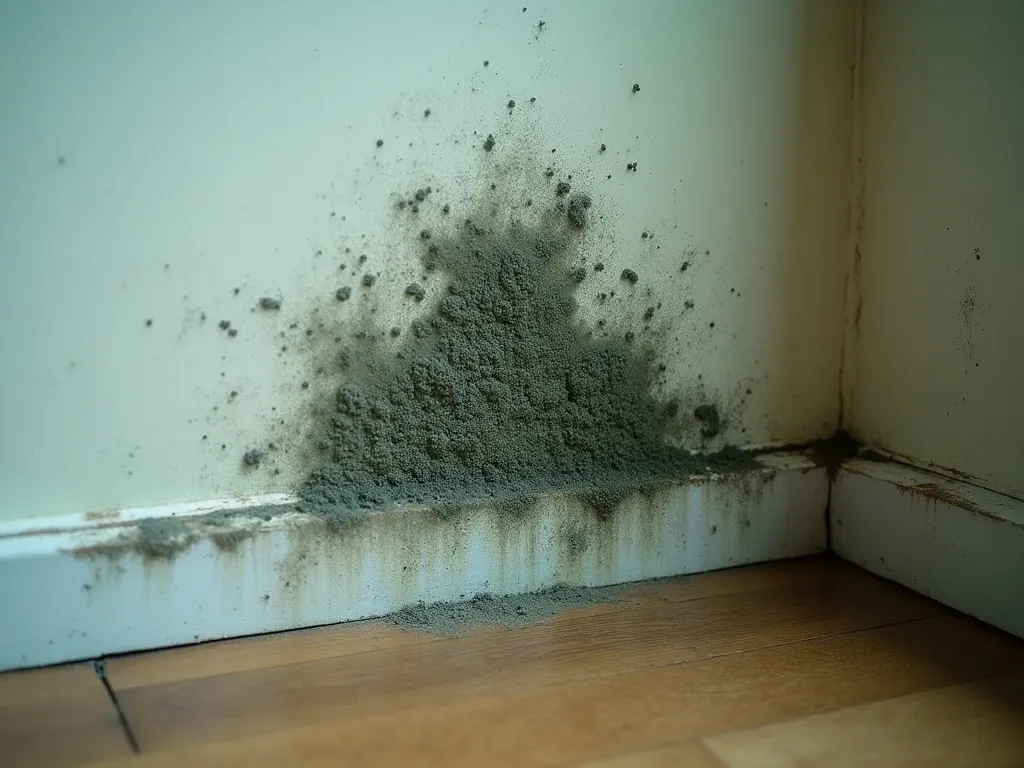
Location. This is where Phoenix homes give you a real shortcut, and it is covered in the next section. In short: surface growth on an obviously-damp surface (grout, tile, a window frame) leans mildew; growth on a dry-looking wall, a ceiling, or near a baseboard leans mold from a hidden source.
The wipe test. Put on a glove, dampen a cloth, and wipe a small spot. Mildew typically lifts off and leaves clean surface underneath. Mold smears, resists, or comes off but leaves a stain in the material, and it returns within days because its roots are still in the wall. One important caution on the related “bleach test”: bleach can lighten both on hard surfaces, so a spot fading under bleach does not prove it was harmless mildew. On porous material, bleach kills the surface and leaves the roots — which is exactly why the EPA does not recommend bleach for routine mold cleanup and says detergent and water are enough on washable surfaces.
Which one you likely have in a Phoenix home
This is where most national articles stop being useful, because they are written for humid climates where a general dampness can grow fungus almost anywhere. The standard definitions you will find at the top of the search results — surface fungus versus penetrating fungus — are correct but generic. In the Valley, the dry air outside actually sharpens the diagnosis, because growth here points to a specific wet surface or a specific hidden leak rather than to ambient humidity. Use location to tell which you are dealing with.
It is probably mildew if the growth is on a surface that gets wet as part of normal life: shower tile and grout, the silicone bead around a tub, glass and window frames where condensation collects, or the pads, housing, and nearby wall around an evaporative “swamp” cooler. Swamp coolers add humidity by design, and during monsoon season they can leave grout and sills damp enough to grow surface mildew. That is a maintenance and cleaning issue more than an emergency.
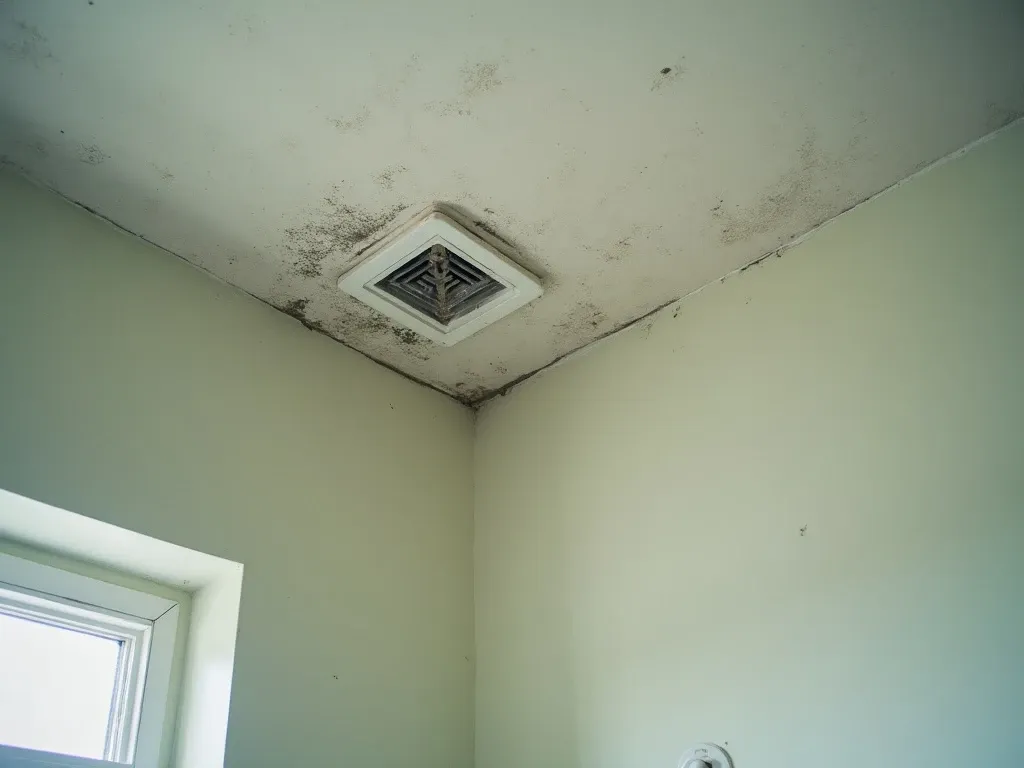
It is probably mold, and a hidden moisture source, if the growth shows up where there is no obvious water: a bedroom or hallway wall, a ceiling away from the shower, the back of a closet, or near a baseboard. In a desert home, fungus on a dry-looking surface is not explained by the weather — it is explained by water arriving from somewhere you cannot see. The usual Phoenix culprits are an AC condensate line or drain pan overflowing year-round, a slow slab leak wicking up into drywall and baseboards, or monsoon water that got into a roof or wall cavity and soaked the back of the drywall. Each of those is a real, locatable source, and each one feeds true mold rather than surface mildew. Our Phoenix mold removal page covers how these Valley-specific drivers create mold and how they get fixed.
The practical version: powdery and light on a wet surface, think mildew and a cleaning job. Fuzzy and dark on a surface that should be dry, think mold and a moisture hunt.

When each one is actually a problem
Neither should be ignored, but they sit at different levels of urgency.
Mildew is mostly cosmetic. A patch on grout or a window sill is unsightly and, left alone, can spread and stain, but it is rarely a structural threat on its own. The health angle is modest for most people: per the CDC’s guidance on mold and your health, indoor fungal growth can trigger coughing, congestion, and throat or eye irritation, and people with asthma, allergies, or weakened immune systems react more strongly. The more important reason to deal with mildew promptly is that it is a tripwire: a surface staying damp enough to grow mildew is a surface that can grow mold, and recurring mildew that keeps returning after cleaning is often the first visible hint of a deeper moisture problem.
Mold is the one to respect. Because it penetrates material, it does structural damage over time — it feeds on the cellulose in drywall and wood, and given enough moisture it softens and ruins what it grows on. It also tends to mean an active, hidden water source, which means the problem is growing while you look at the visible patch. When the growth is the dark, fuzzy kind — and especially when it is black — it is worth understanding what you are dealing with; our guide to black mold covers what that term actually means and when it warrants professional removal. And because both growths share that musty odor, a strong smell with no visible source is its own warning sign; our guide to a musty smell in the house walks through tracing the smell back to its source.
DIY vs. when to call a pro
The dividing line follows the same logic as everything above: surface mildew is often a homeowner job, deeper or hidden mold usually is not.
Reasonable to handle yourself: a small patch of surface mildew, or mold under about 10 square feet on a hard, non-porous surface like tile or glass. The EPA’s rule of thumb puts the DIY ceiling around 10 square feet. Wear an N95, ventilate the room, and clean with detergent and water — the EPA notes biocides like bleach are not required for routine cleanup. Crucially, clean it only after you have confirmed and fixed whatever was keeping the surface wet, or it comes straight back.
Worth calling a professional when: the growth is on or in porous material (drywall, wood, carpet pad) where you cannot reach the roots; it covers more than roughly 10 square feet; it keeps returning after you clean it; or you can smell it but cannot find it. Recurring growth and hidden-source mold are the cases where guessing gets expensive. A professional mold inspection uses a moisture meter, and sometimes a thermal camera, to trace dampness through walls and ceilings without tearing anything open — turning “is this mold or mildew, and where is it coming from” into a specific answer.
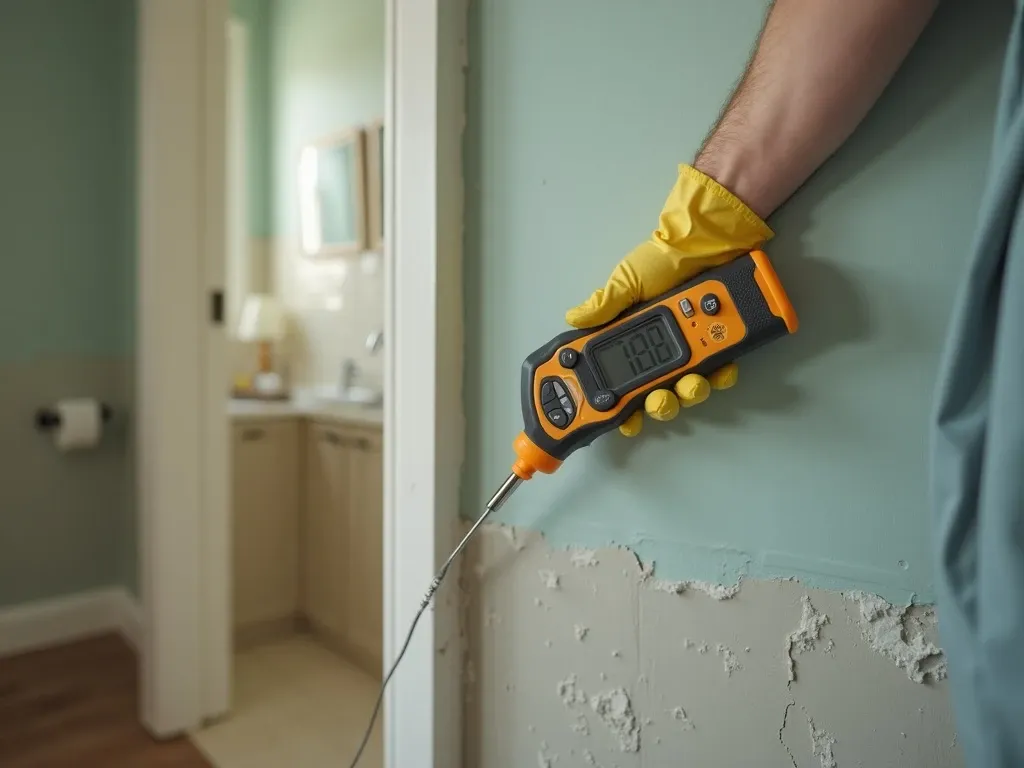
For anything beyond a surface wipe — porous materials, a larger area, or mold tied to an AC, slab, or roof leak — the work belongs with someone who can contain the area, run HEPA equipment, and confirm the moisture source is actually fixed before closing the wall back up. Our mold removal page walks through how that full process works.
What to do next
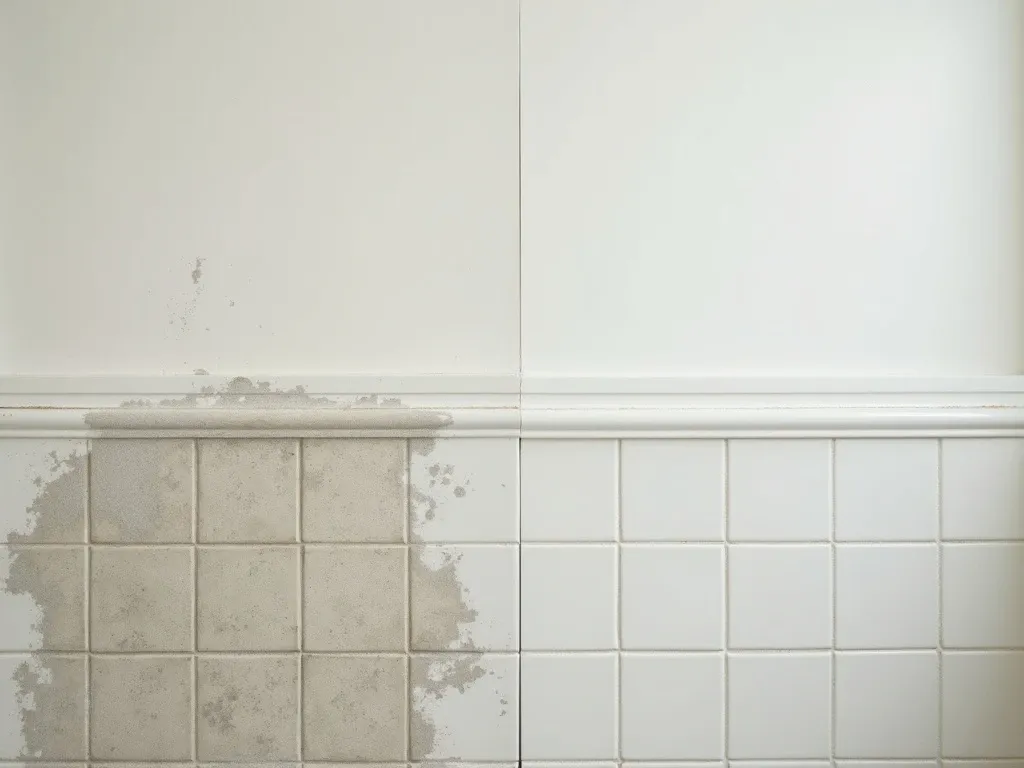
Start by reading the growth, not guessing at it. Check texture and color, try a careful wipe on a small spot, and pay attention to where it is: powdery and light on a wet surface usually means mildew and a manageable clean, while fuzzy and dark on a surface that should be dry usually means mold and a hidden moisture source. In a Phoenix home, that location clue is a genuine shortcut — the dry climate means dark growth on a dry-looking wall almost always traces to a specific leak rather than the weather.
If it is surface mildew, clean it and keep an eye on whether it returns. If it keeps coming back, or it is the deeper, darker kind, or you can smell it but cannot see it, the next step is to find the moisture source — which is exactly what a professional inspection is built for. You can also browse all of our Phoenix mold guides for the specific type of growth or the room you are dealing with.
Get a free quote
If you are not sure whether you are looking at harmless mildew or something deeper, a free, no-obligation quote is the fastest way to get a straight answer. We handle mold across the Phoenix metro — from surface growth in bathrooms to hidden mold from AC condensate, slab leaks, and monsoon intrusion — and we can help you find a source you can smell but can’t see. Fill out the form below and we’ll get back to you with a clear next step. No pressure, no scare tactics.