Ceiling Mold: Causes, Removal & When It's Serious
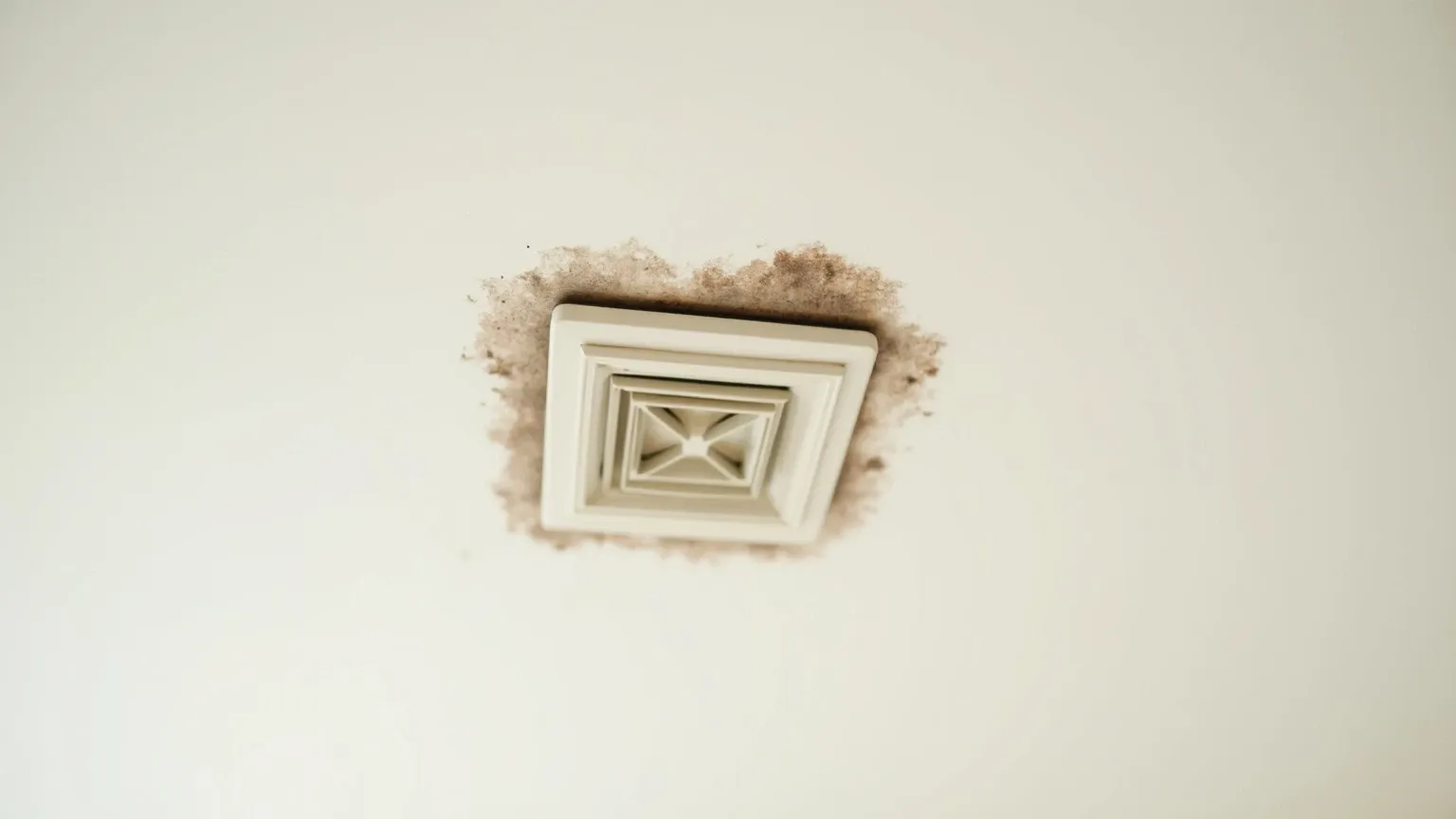
A ceiling grows mold when water sits above the drywall long enough for spores to take hold. In Phoenix that water usually comes from a roof leak, an AC condensate overflow above the ceiling, a bathroom fan venting into the attic, or condensation. A small surface patch is rarely serious. Sagging, spreading, or mold that keeps returning means an active leak you need to fix.
What actually causes ceiling mold
Mold is not a mystery. It needs a food source — which drywall paper, wood, and dust all provide — plus moisture. Ceilings have the food. What changes is whether water shows up. So the real question with any moldy ceiling is not “what kind of mold is this,” it’s “where is the water coming from?”
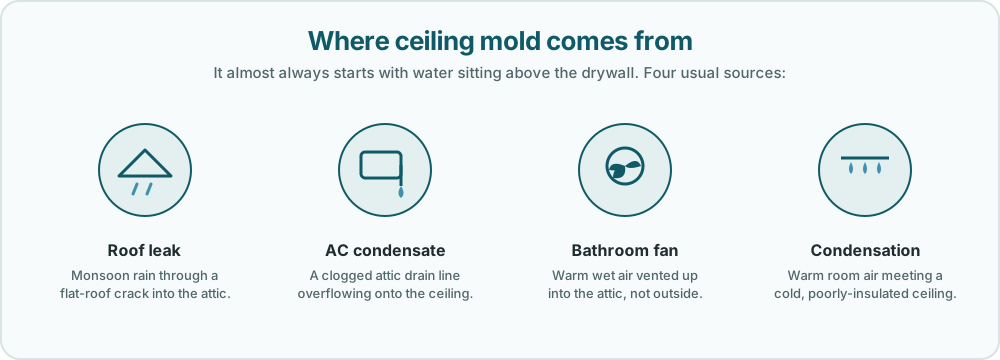
The EPA puts it plainly: the key to mold control is moisture control, and water-damaged areas should be dried within 24 to 48 hours to stop growth from starting (EPA, A Brief Guide to Mold, Moisture and Your Home). On a ceiling, the water is almost always coming from above, where you can’t see it. Here are the four sources that account for nearly every ceiling-mold call we hear about in the Phoenix metro.
Roof leaks
A crack in the roof membrane, a failed flashing around a vent, or a lifted shingle lets rain into the attic. The water soaks insulation and the back of the drywall, then shows up below as a stain with mold growing on or near it.
This is a big one in Phoenix specifically. A lot of the ranch and mid-century homes around Arcadia, Encanto, and the older central neighborhoods have flat or low-slope roofs. During monsoon season, June through September, those roofs pond water during heavy downpours. A hairline crack that never leaks in dry weather will drive water straight into the ceiling during a storm. If a brown ring and mold appear on a ceiling after a monsoon, the roof is the first suspect.
AC condensate above the ceiling
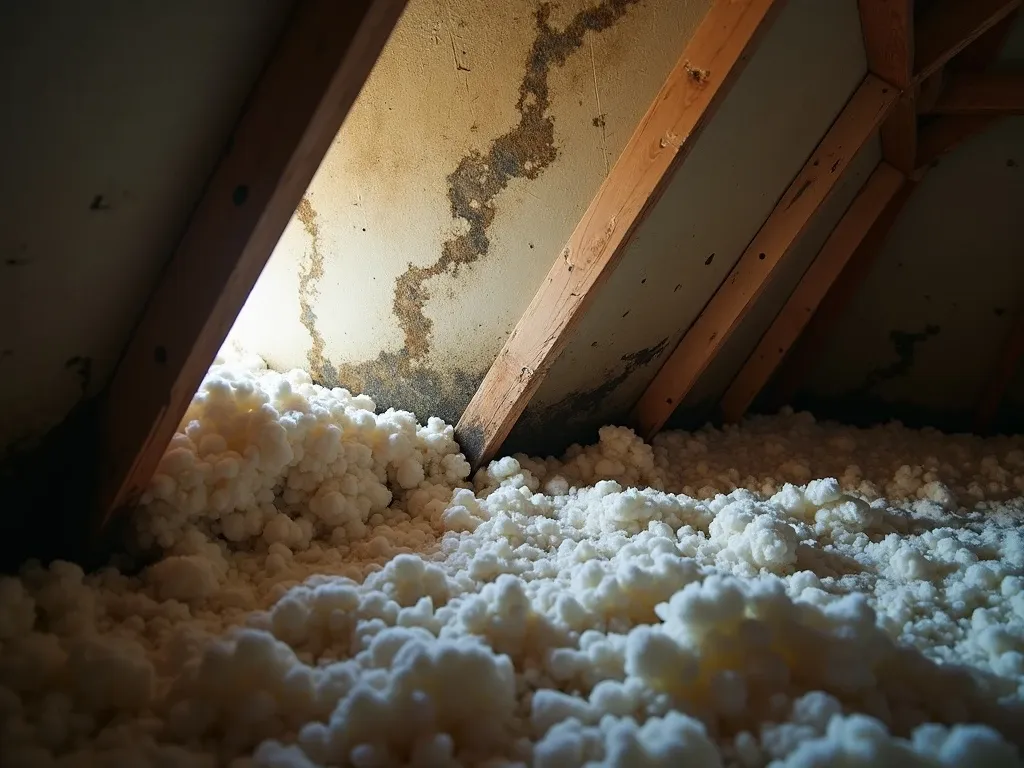
Your air conditioner pulls a surprising amount of water out of the air. That water collects in a drain pan and leaves through a condensate line. In many Phoenix homes the air handler sits in the attic, directly above the living space.
When the condensate line clogs with dust and algae — which happens because the system runs much of the year here — the pan overflows. When the pan itself rusts through, same result. Either way, the overflow soaks the ceiling in the room right below the air handler. This is one of the most common hidden ceiling-mold sources in newer two-story stucco homes in areas like Ahwatukee, Desert Ridge, and Laveen. The giveaway is mold on a ceiling with no roof above it — for example, a first-floor ceiling under a second-floor attic space.
Bathroom exhaust venting into the attic
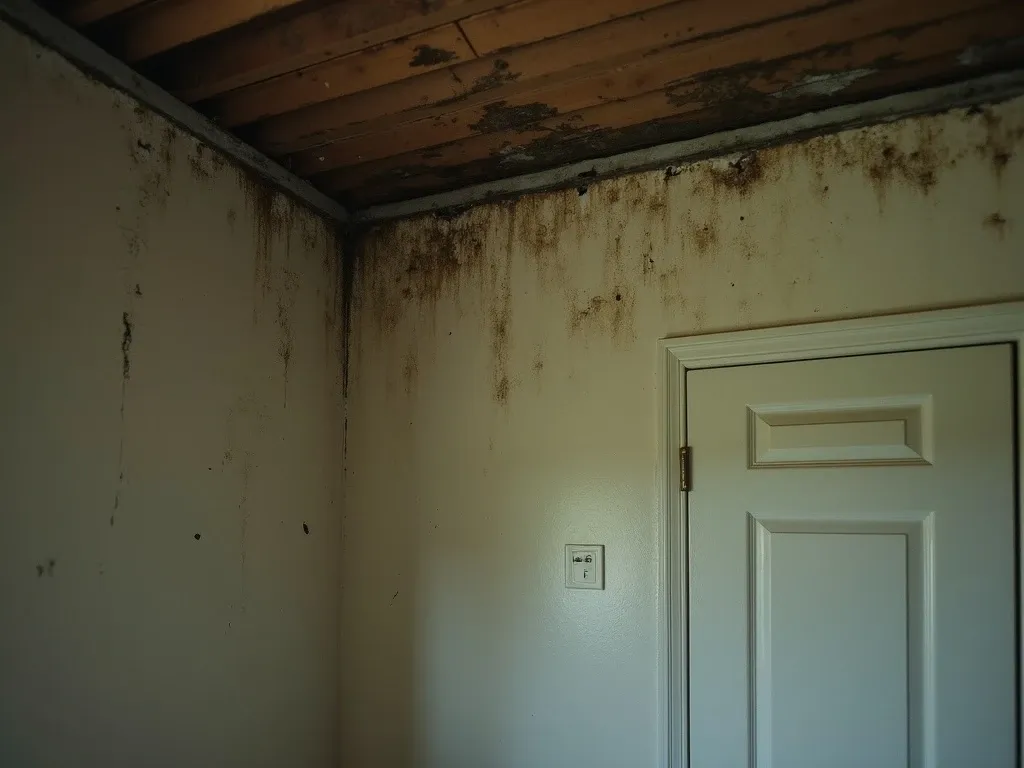
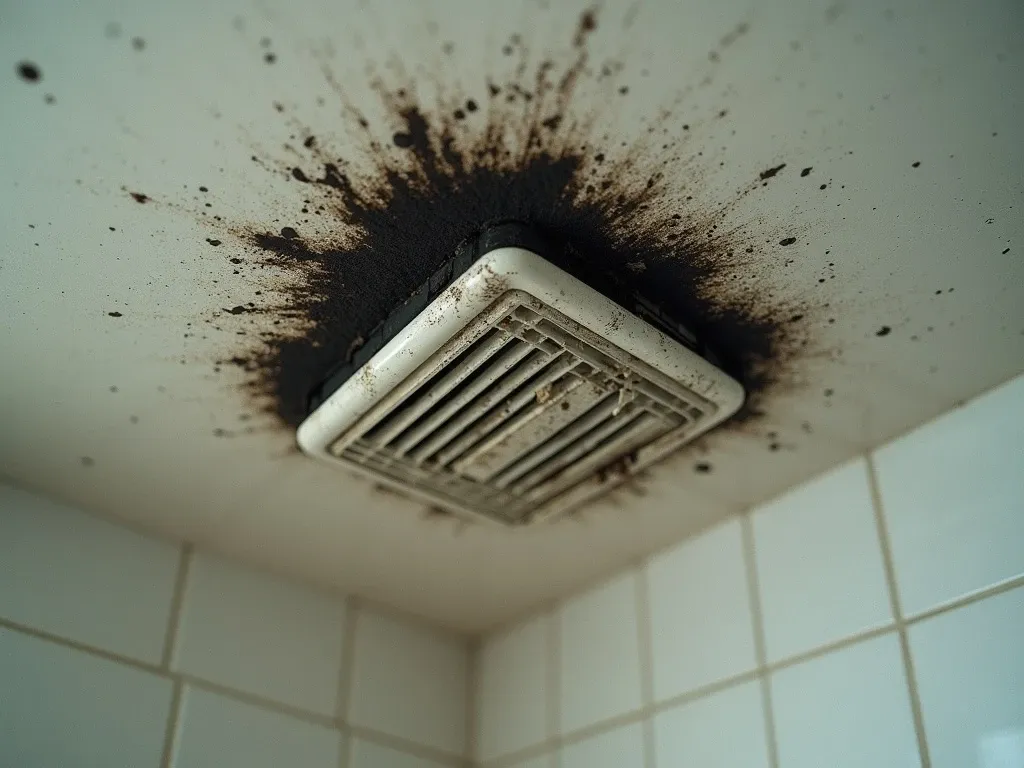
A bathroom fan is supposed to push warm, wet shower air all the way outside through a duct. In a lot of homes — including plenty in Phoenix — that duct was never connected to an exterior vent and just dumps the moist air into the attic instead.
All that water vapor condenses on the cold underside of the roof and on the attic side of the bathroom ceiling. Over time you get mold on the ceiling around the fan or in the corners of the bathroom, even though there’s no leak and no roof problem. If your bathroom ceiling keeps growing mold near the vent, check where that duct actually ends.
Condensation
Less common in dry Phoenix than in humid climates, but it still happens — usually around supply registers where cold AC air chills a patch of ceiling and water condenses. Homes still running evaporative “swamp” coolers add real humidity to the indoor air, and under-maintained units can grow mold in the ducts and around ceiling vents themselves.
Is it surface mold or a sign of a hidden leak?
This decides whether you’re cleaning a small spot or chasing a real problem. Surface mold from a one-time event — a single overflowed tub upstairs, a humid bathroom — can often be cleaned and stays gone. Mold that signals an active leak will keep coming back until the water is fixed.
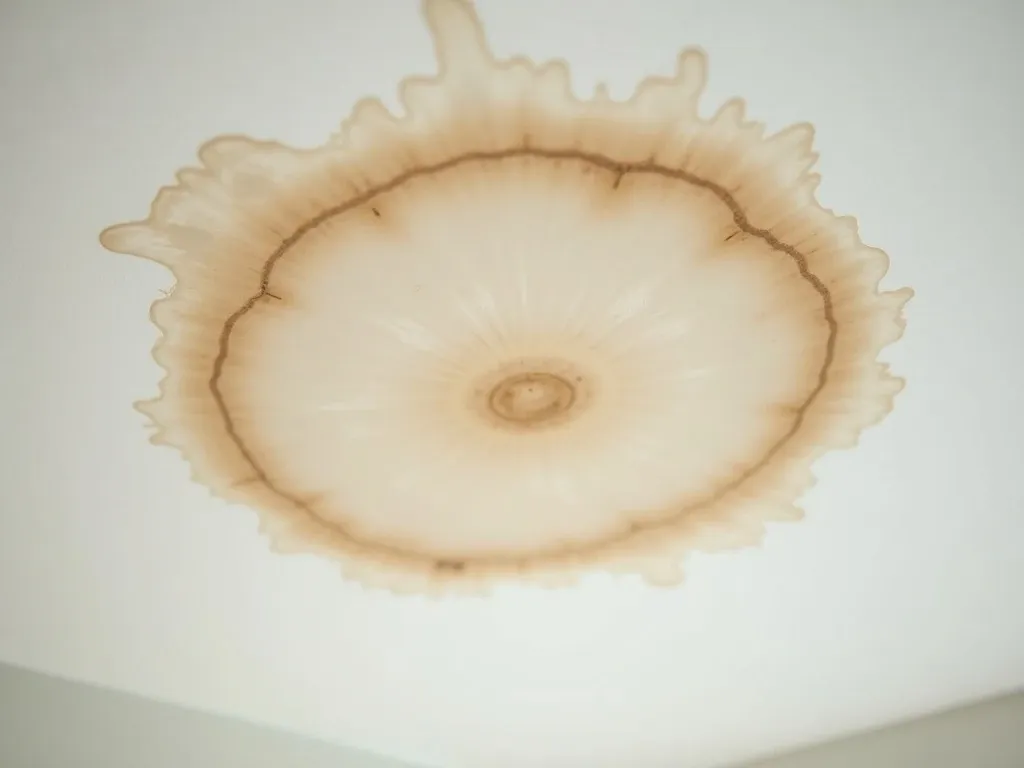
Watch for these signs that water is reaching the drywall from above:
- A water stain ringing the mold. A brown or yellow halo means water has soaked through the drywall, not just landed on its surface.
- Sagging or soft drywall. If the ceiling bulges, feels spongy, or the paint is bubbling, the drywall is saturated. That’s structural and it’s an active leak.
- Recurring growth in the same spot. You clean it, it comes back. That is the single clearest sign the moisture source is still there.
- Mold with no roof above it. Growth on a lower-floor ceiling points to plumbing or an attic air handler, not the roof.
If you see any of these, cleaning alone won’t solve it. The leak has to be found and repaired first. A professional mold inspection uses moisture meters and sometimes a thermal camera to trace where the water is actually coming from, which matters most when the source is hidden in the attic or a wall.
Common ceiling-mold causes and what each one points to
| What you see | Likely cause | What it points to |
|---|---|---|
| Stain + mold on top-floor ceiling after a storm | Roof leak / monsoon roof ponding | Roof membrane, flashing, or shingle repair |
| Mold on a lower-floor ceiling, no roof above | AC condensate overflow from attic air handler | Clogged condensate line or rusted drain pan |
| Mold around the bathroom fan or ceiling corners | Exhaust fan venting into the attic | Re-route the duct to an exterior vent |
| Mold near an AC supply register | Condensation on a cold spot | Insulation / airflow fix |
| Recurring mold in the same place | Active, ongoing leak | Find and fix the water source before cleaning |
| Mold spreading fast after a flood or burst pipe | Bulk water intrusion | Water damage restoration, then remediation |
How serious is ceiling mold, really?
For most people, a small patch of ceiling mold is a problem to fix, not an emergency. The CDC notes that mold can cause a stuffy nose, sore throat, coughing, or irritated eyes, and that people with asthma, mold allergies, chronic lung disease, or weakened immune systems can have stronger reactions (CDC, About Mold). The color of the mold matters less than how much there is and whether it keeps coming back. You don’t need to identify the species to deal with it — the response is the same regardless. If you want to understand the “black mold” question specifically, we cover that in our black mold guide.
What raises the priority: a ceiling that’s sagging or soft (a water-damage and potential structural issue, not just mold), growth larger than a few square feet, or mold tied to sewage or a major leak. Those call for a professional.
Removing ceiling mold: DIY vs. when to call a pro
What you can DIY
The EPA’s rule of thumb: if the moldy area is under about 10 square feet — smaller than a 3-foot by 3-foot patch — most homeowners can handle it (EPA, A Brief Guide to Mold, Moisture and Your Home). For a small ceiling patch:
- Fix the water source first. This is the step people skip, and it’s why the mold comes back. Clear the AC condensate line, repair the roof, or re-route the bathroom duct before you touch the mold.
- Protect yourself. Wear an N95 respirator, gloves, and eye protection. Working overhead means debris falls toward your face.
- Clean non-porous surfaces with detergent and water. The CDC notes you do not need bleach to remove mold (CDC, About Mold).
- Replace what stays damaged. Drywall and insulation that remain stained, soft, or smelly after drying usually need to be cut out and replaced — you can’t scrub mold out of soaked paper-faced drywall.
When to call a professional
Bring in a pro when:
- The area is larger than about 10 square feet.
- The ceiling is sagging or the drywall is saturated — that’s water damage plus mold.
- You can’t find or reach the water source, like a leak hidden in the attic.
- The mold keeps returning after you’ve cleaned it.
- The water involved sewage or came from a major flood or burst pipe.
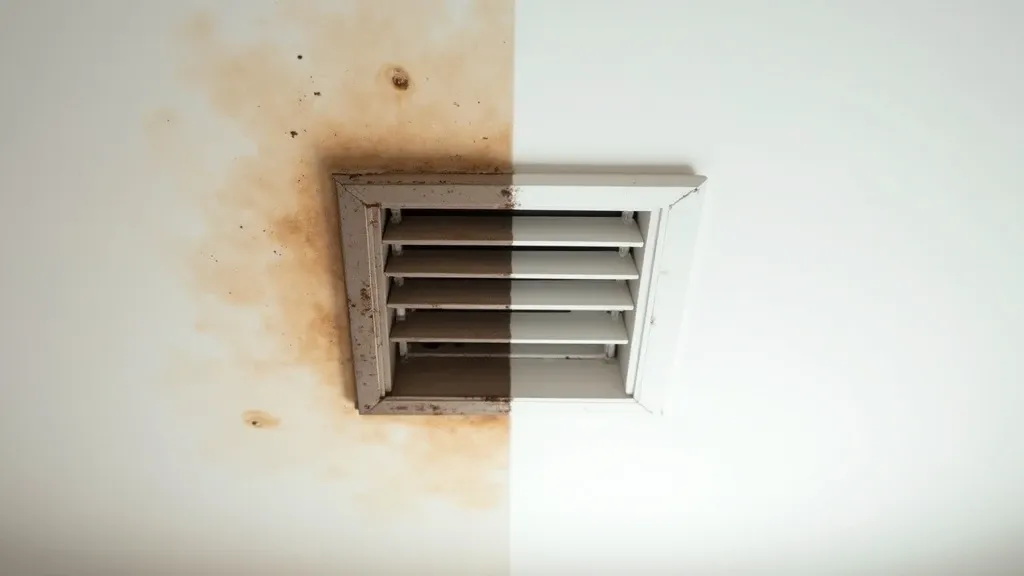
A pro contains the area so spores don’t spread through the house, removes and replaces damaged material, and — most importantly — works from the actual moisture source outward. If you want a sense of pricing before you call, our mold removal cost guide walks through what Phoenix jobs typically run, and our mold removal service page explains how the process works.
How to prevent ceiling mold
Prevention is moisture control, full stop. A few specific moves for Phoenix homes:
- Have your AC condensate line cleared as part of regular service, especially before peak cooling season. A clogged line is the most preventable ceiling-mold cause here.
- Check flat and low-slope roofs before monsoon season. Look for cracks in the membrane and failed flashing while the weather’s still dry.
- Confirm your bathroom fan vents outside, not into the attic. Run it during and for a few minutes after every shower.
- Look at your ceilings after big storms. A fresh brown ring caught early is a small repair. The same leak ignored for a season is a full remediation.
Get a free quote for your home
If you’ve found mold on a ceiling and you’re not sure whether it’s a small surface patch or a sign of a leak above the drywall, the honest answer is that it’s worth getting a trained set of eyes on it — because the fix depends entirely on where the water is coming from. Mold Pros Phoenix handles ceiling mold across the Valley and knows Phoenix housing, from flat-roof ranch homes to attic-air-handler stucco builds. Fill out the form and you’ll get a free, no-obligation quote. No pressure, no fear tactics — just a clear next step.