Musty Smell in the House? Here's What It Means in Phoenix
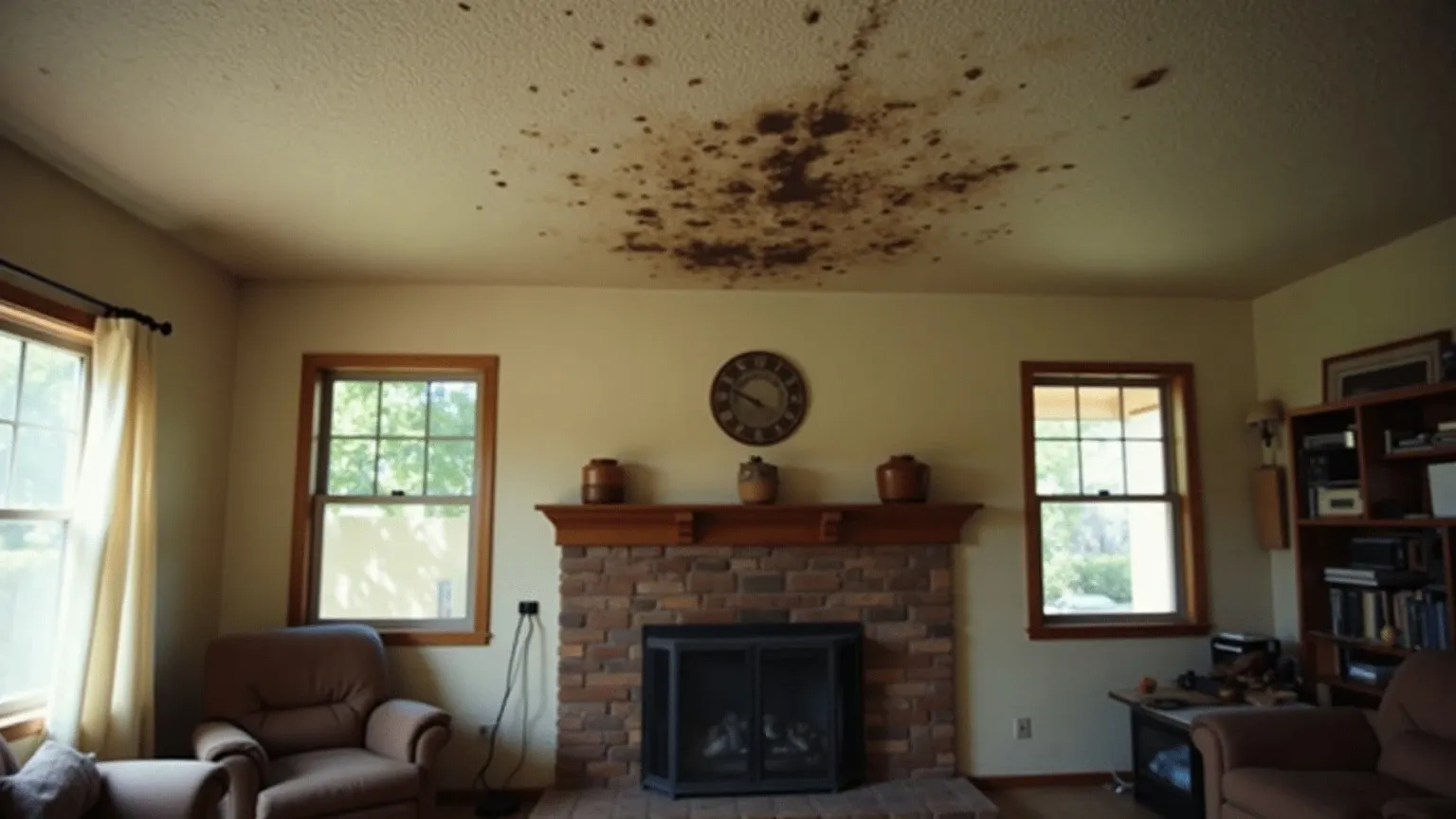
A musty smell in the house means moisture is feeding mold somewhere, and in Phoenix that source is almost always hidden. Outdoor desert air is too dry to explain a lingering musty odor, so the cause is inside: an AC condensate line, a slab leak, monsoon water in a wall, or a closed-up room. Find the moisture, and the smell stops.
What a musty smell actually is
The smell is not “old house” or “dust.” It is a byproduct of living mold.
As mold and mildew grow on a damp surface, they release a group of gases known as microbial volatile organic compounds, or mVOCs. Those gases are what your nose registers as musty, earthy, or like a damp basement. The important part for a homeowner: the smell is produced by active growth on wet material. No moisture, no growth, no smell. If your house smells musty, something in it is staying wet.
This is where Phoenix differs from most of the guidance you will find online. National articles and forum threads are usually written for humid climates, where high indoor humidity alone can produce a general mustiness across a whole house. Here, the outdoor air is dry for most of the year, and a well-run home stays dry with it. So a persistent musty smell in the Valley is a sharper signal than it is in Houston or Atlanta: it points to a specific, contained moisture source rather than ambient humidity. That is useful, because a contained source can be found and fixed.
The five places a musty smell hides in a Phoenix home
The moisture behind a musty smell here tends to come from a short list of local sources. The diagram below maps the five most common, and the sections that follow walk through each one.
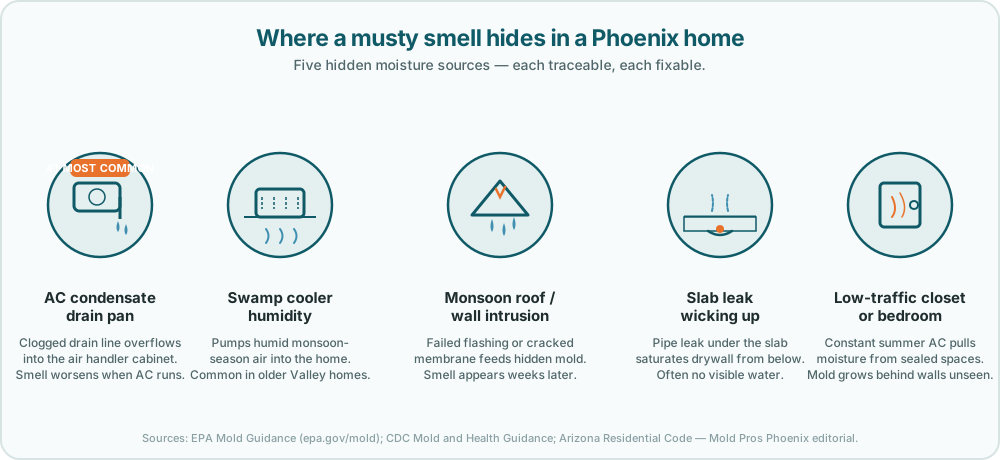
1. The AC condensate line and air handler — the most common source
In a Phoenix home, the air conditioning system is the first thing to suspect, and the single biggest tell is timing: a musty smell that gets worse when the AC runs almost always points here.
Every hour your AC operates, it pulls humidity out of the indoor air and collects it as condensate. That water drains through a small line to the outside. The line clogs with dust and algae over time; when it backs up, water fills the drain pan under the air handler, then overflows into the cabinet and onto whatever is below. The pan itself rusts through on older units with the same result. Because the indoor air handler is usually tucked into a closet, a garage, or the attic, the overflow sits out of sight and grows mold on the wet cabinet, the surrounding drywall, and the insulation around the unit.
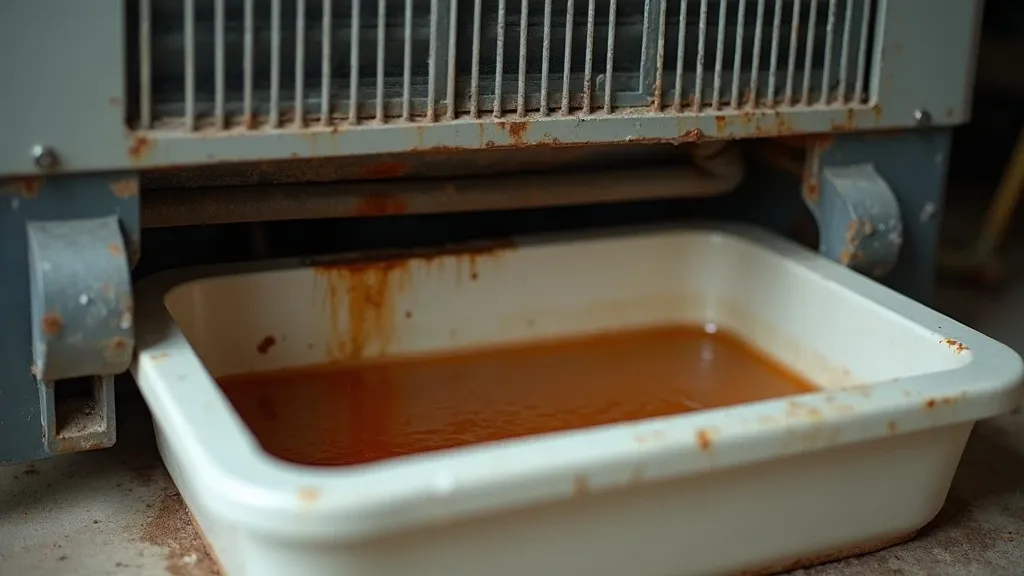
Why this produces a whole-house smell rather than a localized one: the blower runs air directly across the moldy components and pushes it through the ducts into every room. So the odor seems to come from “everywhere” and is strongest right when the system kicks on. Start by checking the drain pan for standing water or rust, then trace the condensate line to confirm it actually drains outside. This same air-handler problem is a leading cause of attic mold in homes where the unit is mounted up in the attic.
2. An evaporative “swamp” cooler
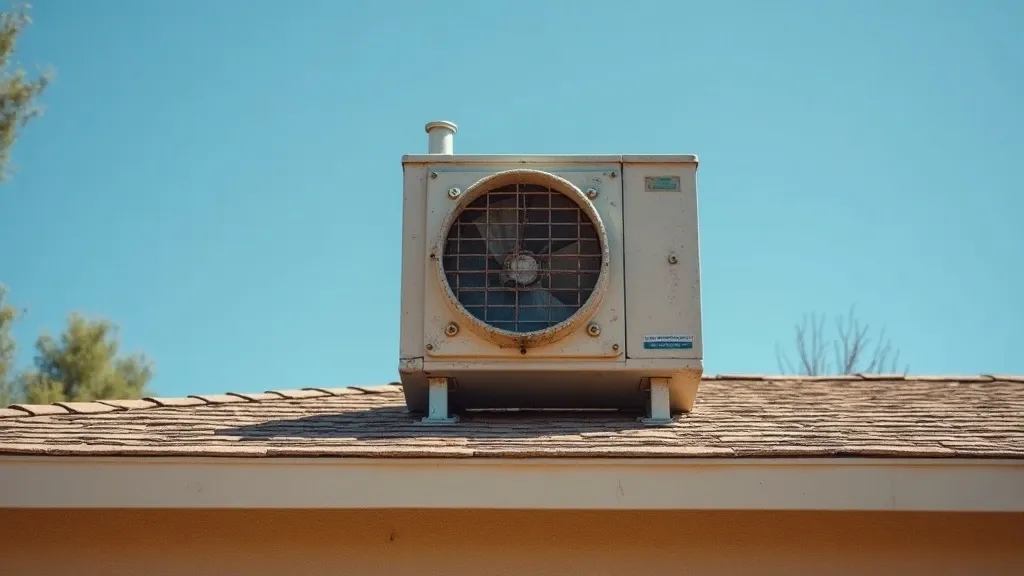
Plenty of older Phoenix homes, and some newer ones as a supplement, still run an evaporative cooler. A swamp cooler works by pulling outside air through wet pads, which is efficient and cheap for most of the year. The catch is that it adds moisture to the home by design.
For most of the dry season that moisture is harmless and even comfortable. During monsoon season, when outdoor humidity spikes, a swamp cooler can push genuinely humid air into the house for weeks, and the pads, water reservoir, and ductwork stay damp the whole time. That combination — a wet appliance plus elevated indoor humidity — is a textbook setup for mildew and a musty smell. If your home runs a swamp cooler and the smell shows up in summer, the cooler and its ducting are worth a direct look.
3. Monsoon water in a roof or wall
From mid-June through September, Phoenix gets most of its annual rain in a handful of fast, heavy storms. Many Valley homes have flat or low-slope roofs that pond water, and intrusion through failed flashing, a cracked membrane, or a wall penetration is common during these storms.
When water gets in, it soaks insulation and the back of the drywall first. Mold can establish on wet material within 24 to 48 hours at Phoenix summer temperatures, per EPA guidance on mold and moisture. The musty smell usually arrives well before any stain appears on the visible side of the wall or ceiling, which is exactly why a smell with no mark is so common after the monsoon. A faint discoloration spreading near a ceiling vent or along a wall seam is often the first visible confirmation of moisture that has already been growing mold behind the surface.
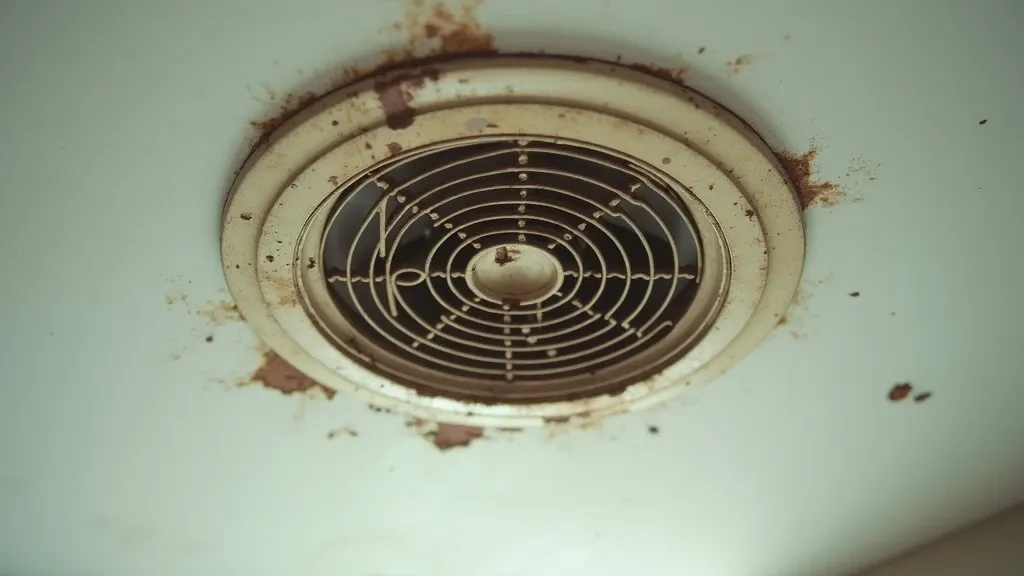
A practical Phoenix rule: after any heavy monsoon storm, walk your ceilings and upper walls. A fresh stain caught within a day is a small repair. The same intrusion ignored until it smells musty is a remediation job.
4. A slab leak under the foundation
Most Phoenix homes are built slab-on-grade, with water and drain lines running through or under the concrete. When one of those lines develops a slow leak, the water has nowhere to drain. It saturates the soil under the slab and wicks up into the slab itself, into baseboards, into the bottom of drywall, and into flooring and carpet pad.
The frustrating part is that a slab leak often produces a musty smell with no visible water at all. The first clues are usually a warm spot on the floor (if it is a hot-water line), an unexplained jump in the water bill, or the sound of running water with everything turned off — alongside that musty odor near the floor in one part of the house. Because the moisture is coming up from below, this is one of the harder sources to confirm by eye, and one of the better reasons to use a moisture meter. The same under-slab and under-floor moisture problem drives crawl space mold in the older raised-foundation homes that do have a crawl space.
5. Closed-up closets and rooms in the summer
This one is specific to how Phoenix homes are lived in. From May through October, the AC runs nearly nonstop, and rooms that stay shut — a guest bedroom, a back closet, a storage room — get very little air exchange. Constant cooling can draw moisture out of building materials and belongings into those still pockets of air, and with no circulation the relative humidity in a sealed closet can sit higher than the rest of the house.
Add a north-facing exterior wall that stays cool, or a closet backing onto a wet wall, and you get condensation on the coolest surface. Shoes, leather, stored fabric, and the back corners of the closet start to smell musty, and mildew can appear on walls or contents. Opening these spaces up and improving airflow often reveals the problem, and sometimes a patch of growth on the wall behind the stored items.
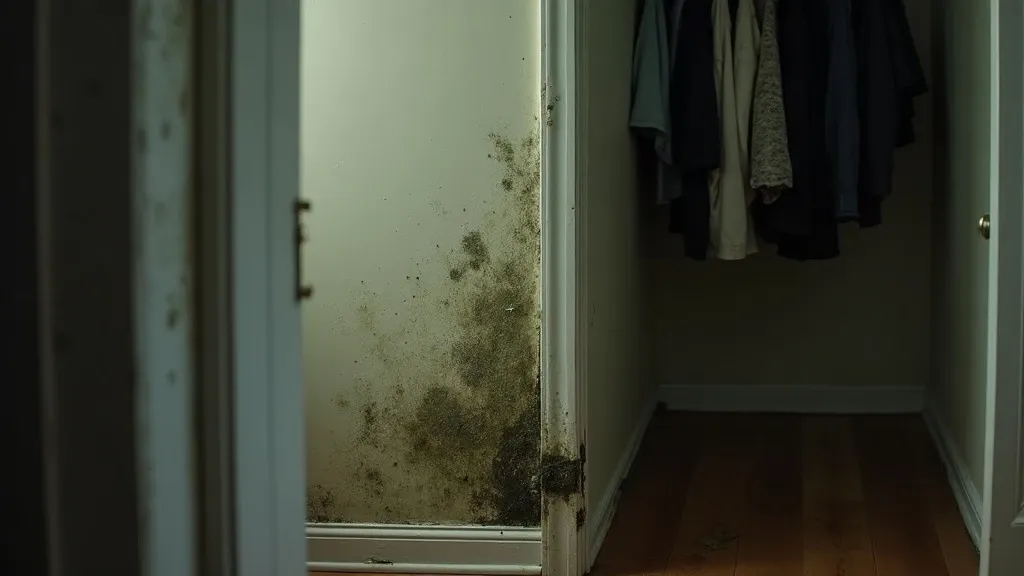
A musty smell with no visible mold
This is the situation that brings most people to a page like this: the smell is real and persistent, but a careful look around turns up nothing. In a dry climate, that combination is not a mystery — it is a pattern.
Mold releases its odor gases as it grows, long before the growth spreads to a surface you can see. Drywall, flooring, the inside of an air handler cabinet, the attic side of a ceiling, and the slab are all common places for mold to take hold while the visible side of the room looks clean. So the smell genuinely arrives weeks before any stain. In a humid state you might write off a faint mustiness as the weather. In Phoenix, where the air is dry, a smell you can detect but cannot locate is a strong indicator that the moisture is contained inside the structure — behind, above, or below the finished surfaces.
The takeaway is not to panic, and not to ignore it. It is to stop looking by eye and start looking by instrument. Persistent odor plus no visible source is the exact case a moisture meter is built for.
How to find the source
Before bringing anyone in, you can narrow it down considerably. Work through these in order:
- Note when the smell is strongest. Worse when the AC starts is the air handler and condensate line. Worse on humid monsoon days points to a swamp cooler or a roof/wall intrusion. Strongest near the floor in one area suggests a slab leak. Confined to a closet or a single shut room points to airflow.
- Follow your nose room by room. Mustiness is usually strongest closest to the source. Open closets, pull furniture off exterior walls, and check the room nearest the air handler.
- Check the obvious water points. Look at the condensate drain pan under the indoor air handler for standing water or rust. Look under every sink, behind the washing machine, and around the water heater.
- Inspect ceilings and upper walls after storms. A fresh stain, bubbling paint, or a spreading discoloration near a vent is a visible lead on hidden moisture.
- Watch for slab-leak signs. An unexplained water-bill jump, a warm spot on the floor, or running-water sound with everything off, paired with a floor-level musty smell.
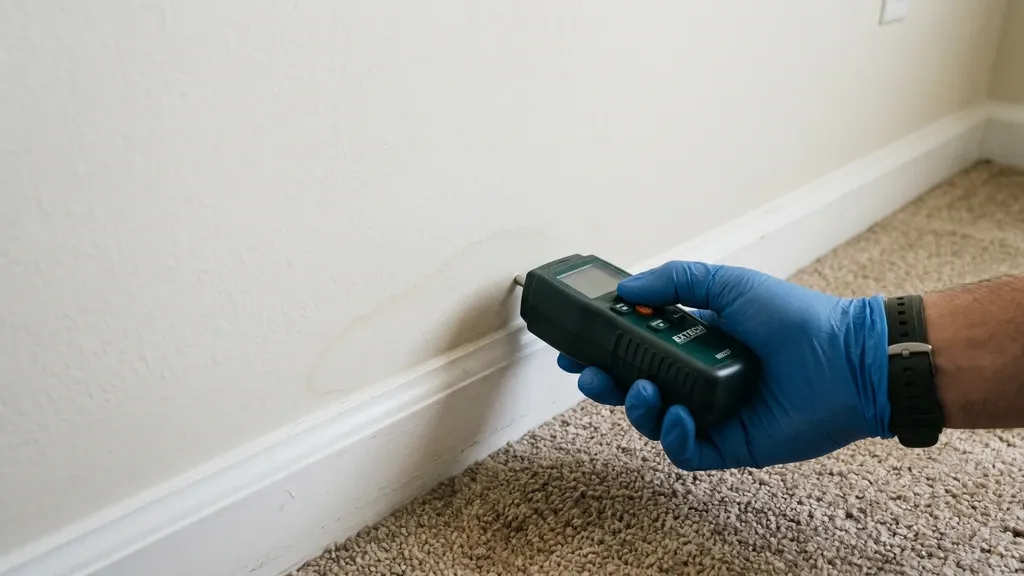
If you have worked through the list and still cannot pin it down, that is the point where guessing gets expensive. A professional mold inspection uses a moisture meter, and sometimes a thermal camera, to trace dampness through walls, floors, and ceilings without tearing anything open. It turns an invisible smell into a specific location and a known cause, which is what you actually need before any repair.
What to do about the smell — and what not to
The wrong moves are the easy ones. An air freshener or a plug-in only masks the odor while the mold keeps growing behind the wall. A dehumidifier can lower humidity in a room, which helps comfort, but it does nothing about a leak or a saturated material that is actively feeding the smell. Both treat the symptom and leave the cause in place, and in a few weeks the smell is back.
The right sequence is always the same: find the moisture source, stop it, then remediate the mold it caused. Skip the first step and the mold returns no matter how thoroughly you clean.
For a genuinely small, visible patch — the EPA’s rule of thumb is under about 10 square feet on a hard, non-porous surface — a careful homeowner can clean it themselves, after the moisture source is confirmed and fixed. Use an N95, ventilate, and clean with detergent and water; the EPA notes that biocides like bleach are not required for routine mold cleanup.
Most musty-smell cases do not fit that window, for two reasons. The source is often hidden, so there is nothing small and visible to clean. And by the time a whole-house smell is established, the affected area inside the wall or around the air handler is usually larger than the DIY threshold. For anything involving the HVAC system, a slab leak, monsoon intrusion inside a wall, or mold you can smell but cannot find, the work belongs with a professional who can contain the area, run negative-air HEPA equipment, and confirm the moisture source is actually fixed before closing it back up. Our mold removal page walks through how that full process works.
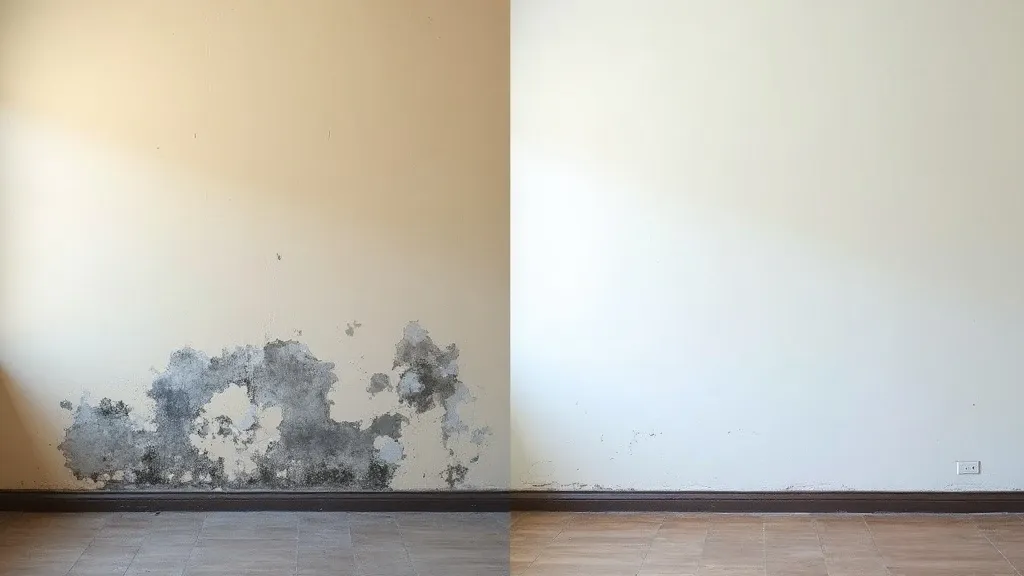
What to do next
If your house has a musty smell that won’t go away, you have already found the most reliable early warning a home gives for hidden mold. The next step is to identify the moisture source, which is straightforward when it is a clogged condensate line you can see, and worth a professional’s moisture meter when it is hidden in a wall, a slab, or the air handler.
For the full range of moisture drivers behind Phoenix mold — AC condensate, monsoon intrusion, slab leaks, swamp coolers, and over-watering against the foundation — our Phoenix mold removal page covers how Valley conditions create these problems and how they get fixed. You can also browse all of our Phoenix mold guides for the specific type of mold or location you are dealing with.
Get a free quote
If you can smell something musty and want a straight answer on what is causing it, a free, no-obligation quote is the fastest way to find out. We handle mold across the Phoenix metro, from AC condensate overflows to monsoon roof intrusion and slab-leak moisture, and we can help you locate a source you can smell but can’t see. Fill out the form below and we’ll get back to you with a clear next step — no pressure, no scare tactics.