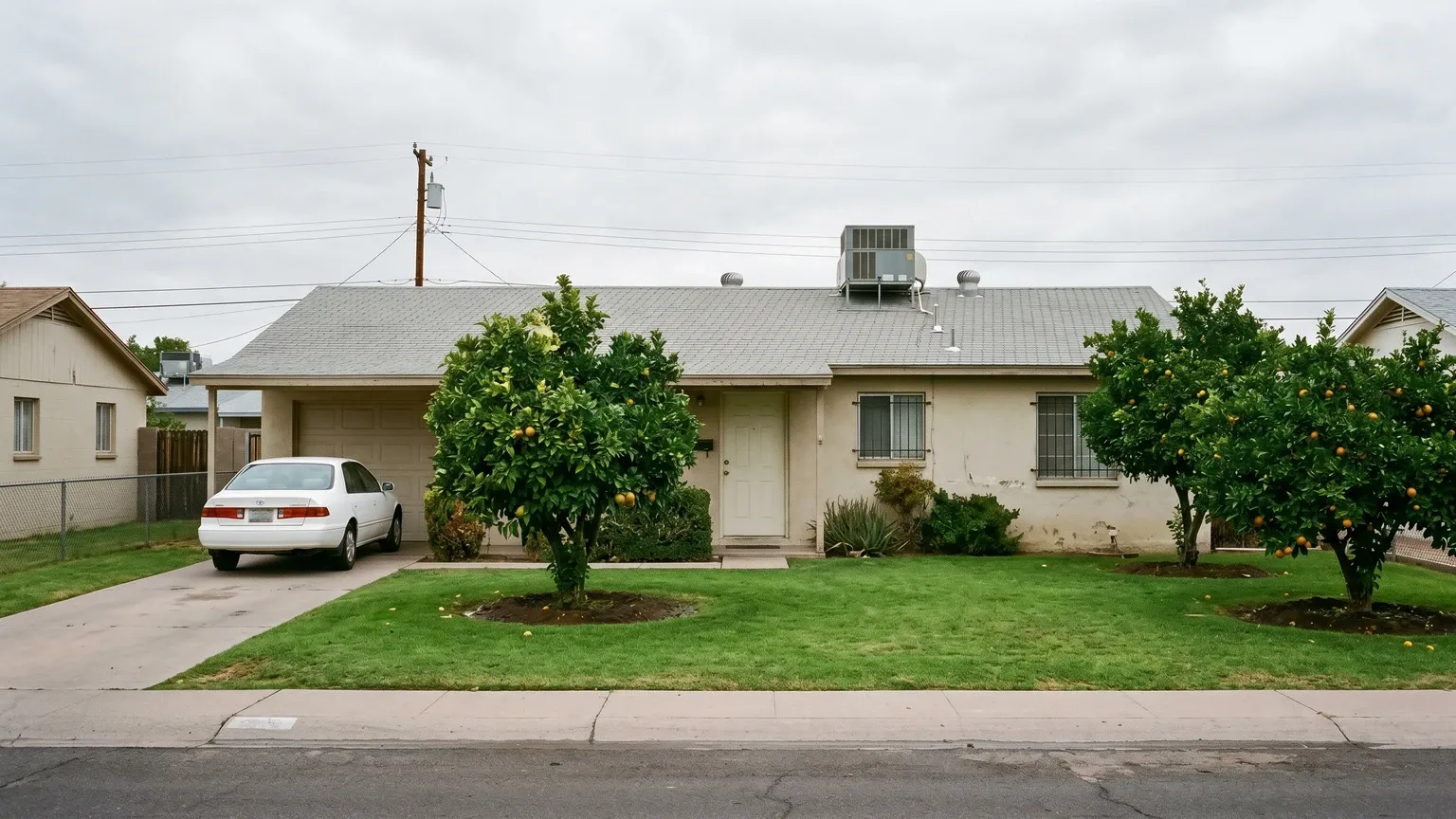
Glendale Mold Removal & Remediation
Found mold — or smelling something musty — in your Glendale home? Get a fast, free, no-obligation quote. We know Glendale: from 1920s Catlin Court bungalows with aging plumbing to North Glendale Arrowhead Ranch stucco. Fast response across the West Valley.
- Free, no-obligation quotes for Glendale homeowners
- We understand desert mold — yes, it’s real
- Black mold, water damage, attic & crawl space
- Fast response — mold spreads quickly in the heat
- Free, no-obligation quotes Know the cost before you commit
- Local Phoenix-metro pros People who know desert mold
- Fast response Mold spreads — we move quickly
- Honest pricing, no scare tactics Only fix what needs fixing
Mold in Glendale? Here's the straight talk.
Yes, Glendale homes get mold — and older West Valley homes have more places for it to hide than most. Flood-irrigated lots, evaporative coolers, 1920s-1940s bungalows with decades of plumbing wear, and new-build AC condensate issues all create the kind of slow, hidden moisture that feeds mold. Because the air is dry, it usually grows out of sight — under floors, behind baseboards, inside ducts — until you smell it.
Glendale sits in the West Valley, and its housing stock is genuinely different from the East Valley cities. Many older central and south Glendale neighborhoods — around Historic Downtown Glendale, Catlin Court, and Sahuaro Ranch — still sit on flood-irrigated lots. On an irrigation schedule, large volumes of water flood the yard deliberately, pushing high soil moisture against slabs, foundations, and stucco for hours at a time. Most homeowners never connect that moisture source to the musty smell in the adjacent room.
Older Glendale homes also run evaporative (swamp) coolers far more commonly than East Valley cities — it is a West Valley pattern. Swamp coolers add real humidity to indoor air. When monsoon-season dew points rise, that added humidity can push a marginal moisture situation past the threshold where mold grows, especially in ducts and around ceiling registers. Combine a swamp cooler with a monsoon-season roof seam leak and you have two moisture sources at once.
Black mold in Glendale homes
The black mold Glendale homeowners find is usually Stachybotrys chartarum or one of the darker Cladosporium species, and where it grows tracks the age and neighborhood of your home. In the 1910s–1940s Catlin Court and Historic Downtown bungalows, black mold shows up behind baseboards and inside subfloor cavities from pinhole leaks in original galvanized or copper supply lines that have been running slowly for months. In older central Glendale homes with evaporative coolers, Cladosporium grows in ducts and around ceiling registers where added indoor humidity meets a cool surface. In Arrowhead Ranch and Marshall Ranch newer stucco, Stachybotrys most often appears on ceiling drywall below a clogged attic AC condensate line. Removal is the same in every case: contain, remove the affected material, fix the water source, verify dry.
Historic bungalows and aging plumbing
The Catlin Court and Historic Downtown Glendale districts contain some of the oldest residential housing in the Phoenix metro — 1910s through 1940s bungalows with original or near-original plumbing runs. Slab and pinhole leaks in 70-to-100-year-old water lines are slow, silent, and can wick moisture into subfloor and wall cavities for months before any surface stain appears. In North Glendale, Arrowhead Ranch and Marshall Ranch master-planned communities are newer stucco builds with the standard AC condensate issue: an air handler in the attic with a clogged condensate line drips into the ceiling below — often in a bedroom or hallway nobody checks until there is a stain or smell.
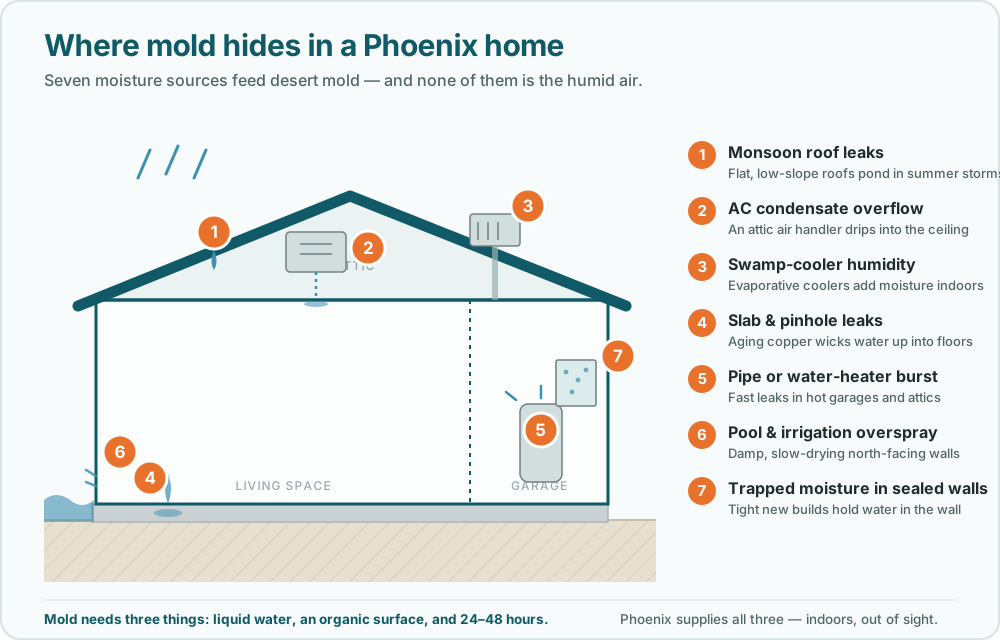
Why Glendale homes get mold
The moisture sources we see most often in Glendale — beyond the “it’s a dry climate” myth.
Flood irrigation pushing water against slabs
Many older central and south Glendale lots still flood-irrigate on a schedule. Large volumes of water move through the yard and sit against slab edges, foundations, and stucco for hours — a moisture source most homeowners never connect to the musty smell inside.
Evaporative coolers and monsoon humidity
Swamp coolers are common on older West Valley homes. They add humidity to indoor air, and when monsoon dew points rise, that added moisture can tip a marginal situation into mold growth in ducts, ceiling registers, and around the unit itself.
Aging plumbing in historic bungalows
Catlin Court and Historic Downtown Glendale have 1910s-1940s homes with original or near-original plumbing. Pinhole leaks and slow slab leaks in old water lines wick moisture into subfloor and wall cavities for months before any stain appears.
AC condensate in North Glendale stucco homes
Arrowhead Ranch and Marshall Ranch homes have attic air handlers where a clogged condensate line drips into the ceiling below — often in a bedroom or hallway that goes unchecked until a stain or smell appears.
Monsoon roof intrusion on older structures
Older Glendale homes have roofs with decades of wear. A monsoon-season blow-in at a seam or flashing point sends water into attic space and ceiling framing that dries slowly in sealed, poorly ventilated areas.
Irrigation overspray against stucco
Heavy landscape irrigation on flood-irrigated lots and large older lots keeps exterior stucco damp on the north and shaded sides. Stucco cracks admit moisture at the surface, and what gets in does not dry out fast in a sealed wall cavity.
Mold removal services in Glendale
Mold removal, remediation, inspection and water-damage restoration for Glendale homeowners — one team, honest quotes.
Mold Removal
Safe removal of visible mold — with the moisture source fixed so it stays gone.
Learn more →Mold Remediation
Containment, HEPA filtration & full removal after leaks, floods, or long-term moisture.
Learn more →Mold Inspection & Testing
Moisture mapping, visual inspection, and lab testing when you need proof.
Learn more →Water Damage Restoration
Emergency extraction & drying — the fastest way to stop mold before it starts.
Learn more →What a proper Glendale mold job includes
No guesswork, no upsell — here's what real mold removal in Glendale actually covers, start to finish.
- Find the moisture first. Moisture meters and a visual check trace the water source — an AC condensate line, slab leak, or roof intrusion — before any cleanup starts.
- Contain the area. Plastic sheeting and negative air pressure keep spores from spreading through the rest of your Glendale home during the work.
- Remove only what's affected. Mold-damaged drywall, carpet, and insulation come out; hard surfaces are HEPA-vacuumed and cleaned — nothing torn out that doesn't need to be.
- Fix the source. The leak or condensation problem gets repaired, because mold that isn't dried out comes right back.
- Verify it's done. On larger jobs, clearance testing confirms the home is back to a normal baseline before any rebuild.
- A clear, written quote. You get an honest price range up front — most Glendale jobs run $500–$4,000 — with no obligation to book.
How it works
No call centers. Three steps to a straight answer about mold in your Glendale home.
- 1
Tell us what’s happening
Fill out the quick form with your ZIP code and what you’re seeing or smelling. Takes about a minute.
- 2
We get you a fast, free quote
We review your details and your area and get back to you with a clear, no-obligation quote — no national call center, no runaround.
- 3
You decide, no pressure
Look it over, ask questions, and move forward only if it’s right for you. Honest pricing, no scare tactics.
Serving every Glendale neighborhood
From Historic Downtown Glendale and Catlin Court to Arrowhead Ranch, Sahuaro Ranch, and Westgate — we handle mold across Glendale and know the West Valley's older homes and flood-irrigated lots.
- Historic Downtown Glendale
- Catlin Court
- Sahuaro Ranch
- Arrowhead Ranch
- Marshall Ranch
- Bellair
- Cholla
- Westgate
- North Glendale
- West Glendale
ZIP codes we cover: 85301 · 85302 · 85303 · 85304 · 85305 · 85306 · 85307 · 85308 · 85310
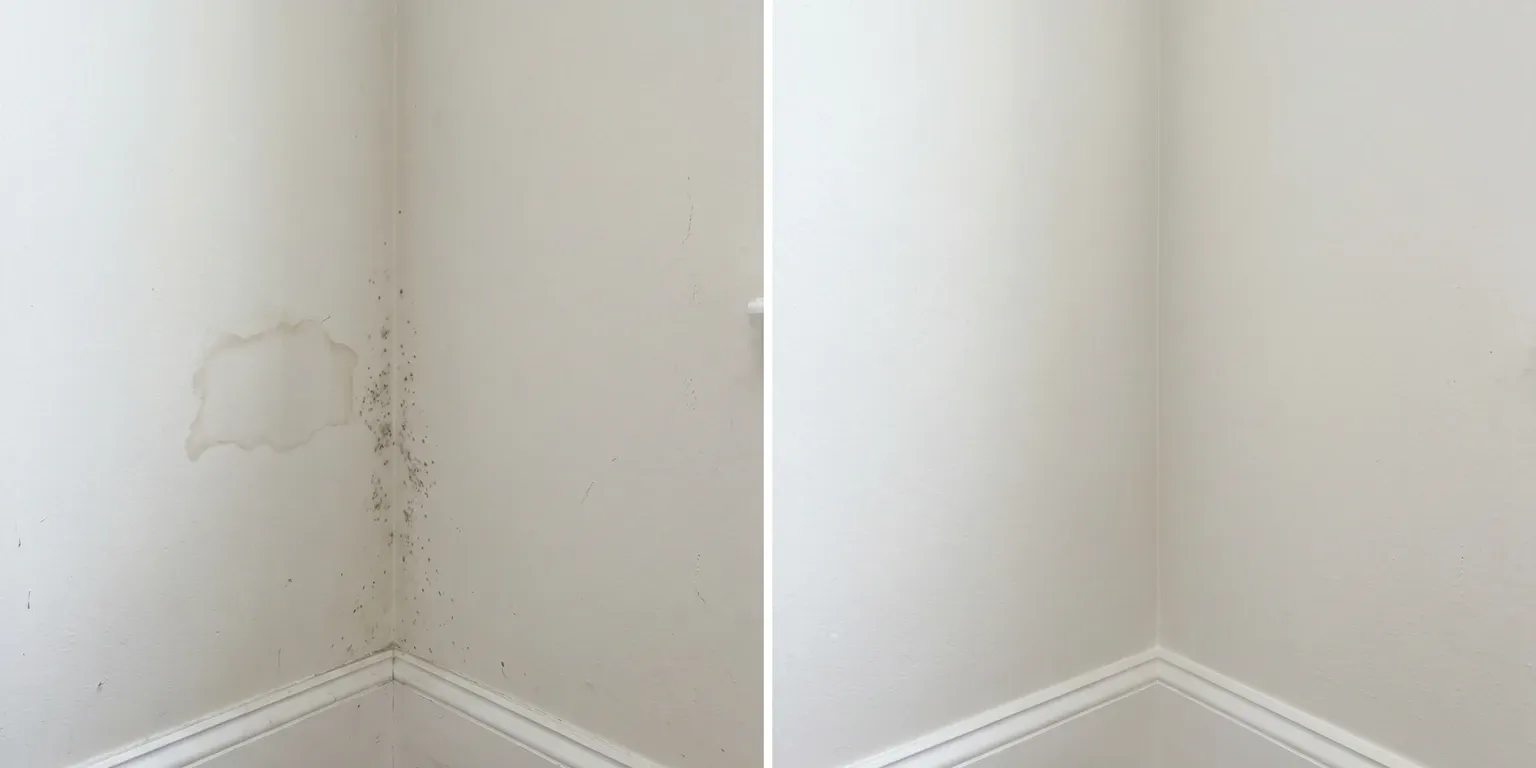
What does mold removal cost in Glendale?
Most Glendale mold jobs run $500–$4,000, depending on how much mold there is and what’s behind it. A small bathroom or closet can be a few hundred dollars; whole-room remediation after a leak or flood runs higher.
Glendale mold questions, answered
What mold removal services do you offer in Glendale?
Full-service mold work for Glendale homes: inspection with moisture mapping (essential in flood-irrigated lots and historic bungalows), containment and HEPA-filtered remediation, physical removal of mold-damaged drywall/insulation/subfloor, moisture-source repair (aging historic-bungalow plumbing, swamp-cooler ducts and drains, monsoon roof intrusion, attic AC condensate in North Glendale), and post-work verification on larger jobs. We handle black mold, attic mold, HVAC mold, and mold from water damage across all of Glendale — West Valley experience.
Do you handle black mold removal near me in Glendale?
Yes. Black mold removal in Glendale usually takes one of three shapes: Stachybotrys behind baseboards and in subfloor cavities in Catlin Court and Historic Downtown bungalows from decades-old slab-plumbing leaks; Cladosporium in swamp-cooler ducts and around ceiling registers in older central Glendale homes; or Stachybotrys on ceiling drywall below leaking attic AC air handlers in Arrowhead Ranch and Marshall Ranch stucco. Same process every time — contain, physically remove, fix the water, verify dry. Free quote for your address.
Is there a mold removal company that serves my Glendale neighborhood?
Yes — we're a Glendale mold removal company covering Historic Downtown Glendale, Catlin Court, Sahuaro Ranch, Arrowhead Ranch, Marshall Ranch, Bellair, Cholla, Westgate, North Glendale, and West Glendale. Glendale ZIPs 85301 through 85310. If you're inside Glendale city limits, we quote for your home — historic bungalow to new stucco.
How fast can you respond for mold removal near me in Glendale?
Fast quote turnaround — most Glendale homeowners get a call back the same day they request one, and an inspection scheduled within 1–3 business days. If you've had a fresh water event (slab leak in a historic bungalow, monsoon roof intrusion, swamp-cooler overflow, AC condensate flood), tell us on the form and we'll prioritize the callback. The first 24–48 hours after water enters a Glendale home decide whether it's a small dry-out or a full remediation.
Can flood irrigation on my Glendale lot cause mold inside my home?
It can contribute. Flood-irrigated lots push large volumes of water against slabs and foundations on a regular schedule. That sustained soil moisture wicks into slab edges, baseboards, and adjacent wall cavities. It is rarely the only cause but combined with any small crack or aging slab plumbing it keeps the perimeter damp enough to feed hidden mold.
Do evaporative coolers cause mold in Glendale homes?
They can make an existing moisture problem worse. Swamp coolers add humidity to indoor air, and when monsoon dew points rise in late June and July, that extra humidity can push a marginal situation past the point where mold grows — especially in ducts and around ceiling registers. Keeping the cooler serviced and switching to AC-only during the highest-humidity monsoon days helps.
My Glendale home was built in the 1930s. Am I at higher mold risk?
Older homes carry more plumbing wear, and that matters. Historic bungalows in Catlin Court and the downtown district have water lines that are decades past their designed life. Slow pinhole leaks and slab leaks in old pipe runs can feed hidden mold for months with no visible surface sign. A musty smell with no visible stain is often the first clue in these homes.
How much does mold removal cost in Glendale?
Most Glendale mold jobs run $500–$4,000. A small contained area can be a few hundred dollars; whole-room remediation after a slab leak or flood costs more. A free, no-obligation quote gives you an exact number for your home and situation.
Worried about mold in your Glendale home?
Get a fast, free, no-obligation quote for your Glendale home. No pressure, just a straight answer.