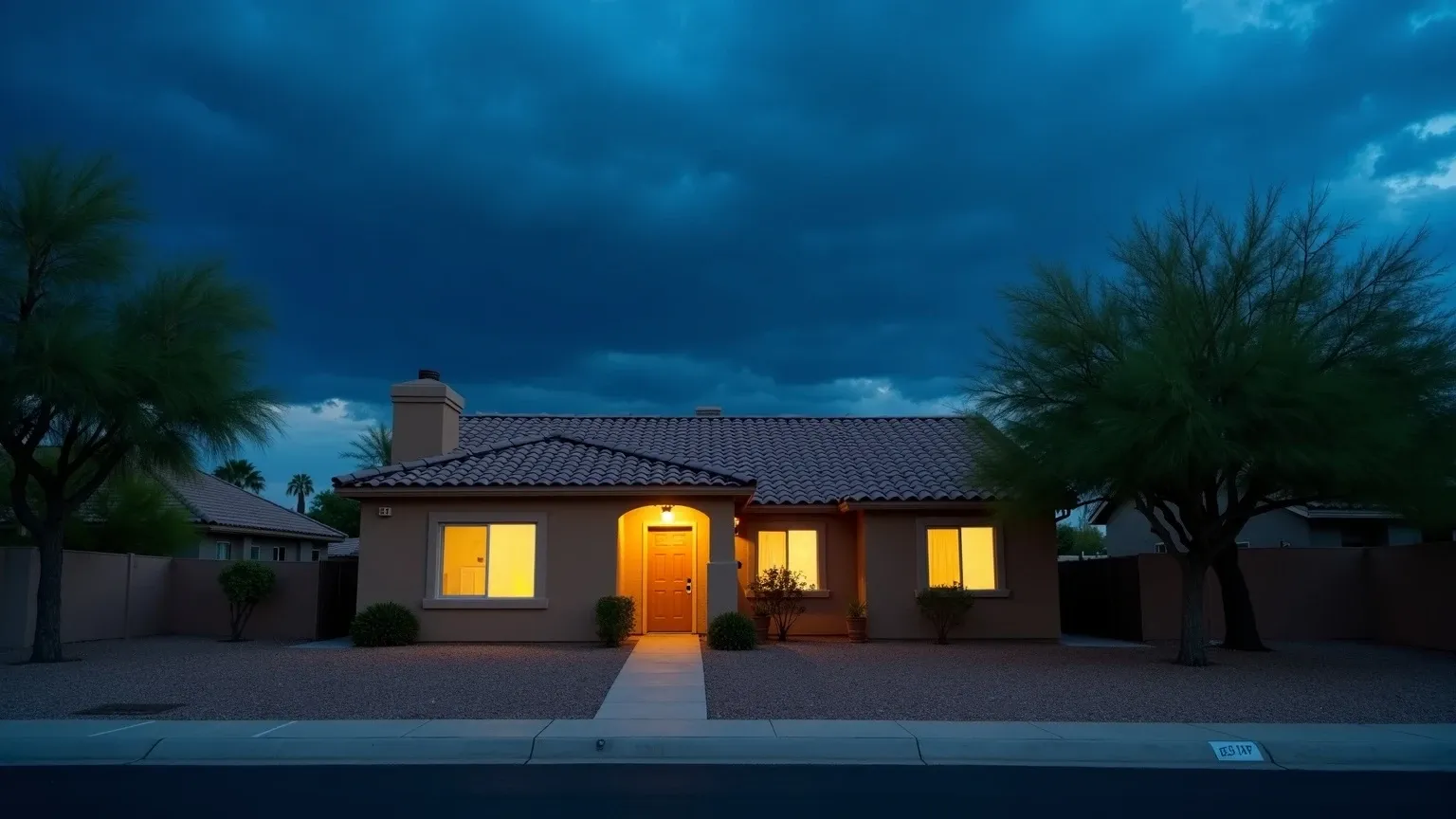
Mold Removal in Phoenix
Found mold — or smelling something musty — in your Phoenix home? Get a fast, free, no-obligation quote. We know how Valley homes actually get mold, and where it hides. Fast response across the Phoenix metro.
- Free inspection quotes — no obligation, no pressure
- We understand desert mold (yes, it’s real)
- Black mold, water damage, attic & crawl space — all covered
- Serving Phoenix, Mesa, Scottsdale, Tempe, Chandler & Gilbert
- Free, no-obligation quotes Know the cost before you commit
- Local Phoenix-metro pros People who know desert mold
- Fast response Mold spreads — we move quickly
- Honest pricing, no scare tactics Only fix what needs fixing
Phoenix-metro mold removal, remediation & water damage restoration. Mold removal, mold remediation, mold inspection & testing, and water damage restoration across the Valley — to the IICRC S520 and S500 industry standards. Honest cost ranges, no upsells, no scare tactics. Fast, free, no-obligation quotes.
Yes, Phoenix homes get mold — here’s how
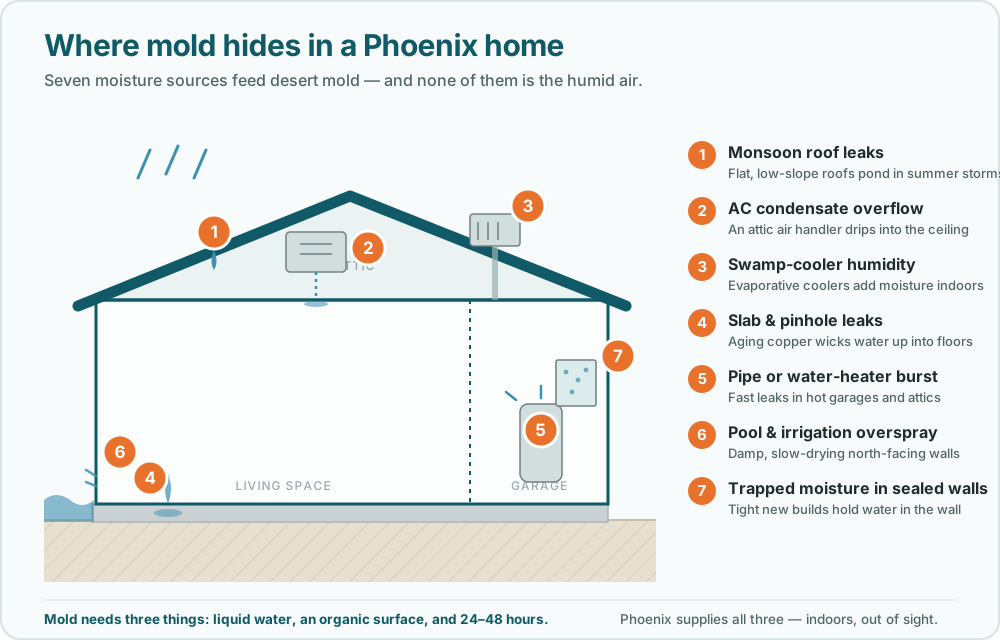
Mold removal in Phoenix is a hidden-moisture problem, not a humidity one. Despite the dry climate, mold is common in Valley homes — it grows wherever water collects: AC condensate lines, slab leaks, monsoon roof leaks, swamp coolers, and plumbing breaks. Because the air is so dry, it usually hides in attics and walls before anyone smells it.
AC condensate & overflow
Valley AC units run 6+ months a year. A clogged condensate line or rusted drip pan quietly soaks drywall, ceilings, and the air handler closet — one of the most common hidden mold sources in Phoenix homes.
Monsoon roof & flood intrusion
From June through September, wind-driven rain finds weak spots on flat and low-slope Valley roofs. Water ponds, seeps into parapets and attics, and feeds mold long before a stain shows on the ceiling.
Slab & pinhole leaks
Phoenix’s shifting soils and aging copper plumbing cause slab leaks and pinhole pipe failures. Moisture wicks up into baseboards, subfloor, and the back of cabinets where it’s nearly impossible to see.
Evaporative “swamp” coolers
Older Valley homes with swamp coolers pump humidity straight into the house. Under-maintained units grow mold in ducts, ceilings, and around registers — especially in spring before the switch to refrigerated air.
Pool & irrigation overspray
Constant moisture against stucco — from pool splash-out, drip lines, and sprinklers hitting north-facing walls that never dry in the sun — creates the damp pockets mold needs on exterior and shared walls.
Water heater & pipe bursts
A failed water heater in a hot garage or attic, or a burst supply line, can seed mold within 24–48 hours in summer heat. Fast water extraction and drying is the difference between a cleanup and a remediation.
What we help with
From a single moldy closet to a full post-flood remediation — here’s how a Phoenix mold pro can help.
Mold Removal
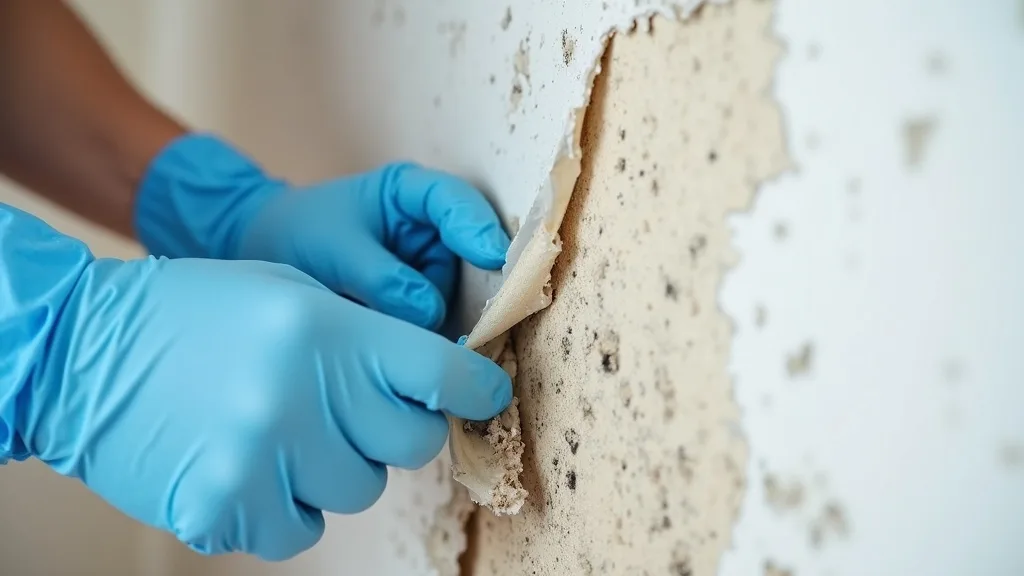
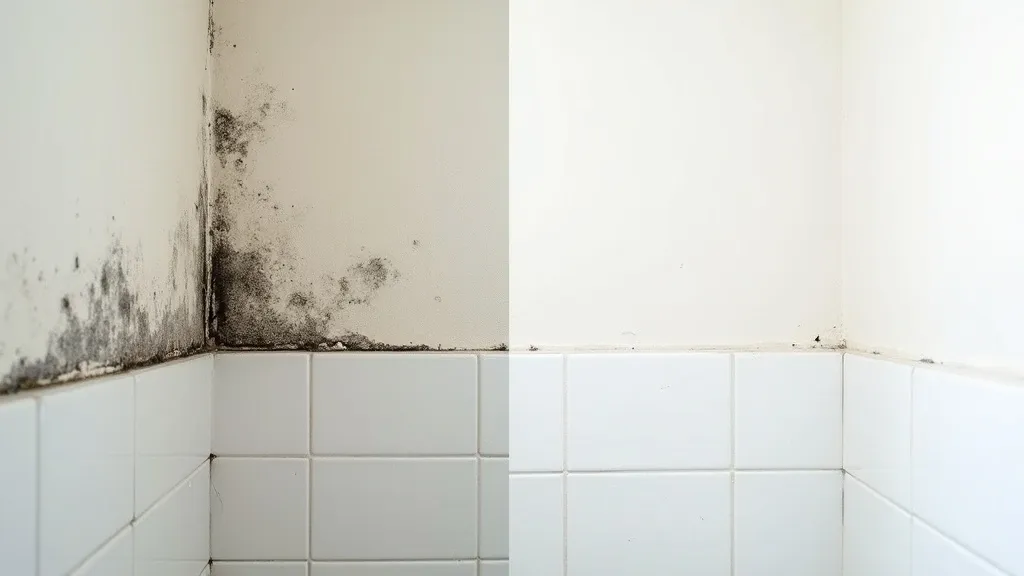
Safe removal of visible mold from drywall, ceilings, tile, and wood — with the source moisture fixed so it doesn’t come back.
Learn more →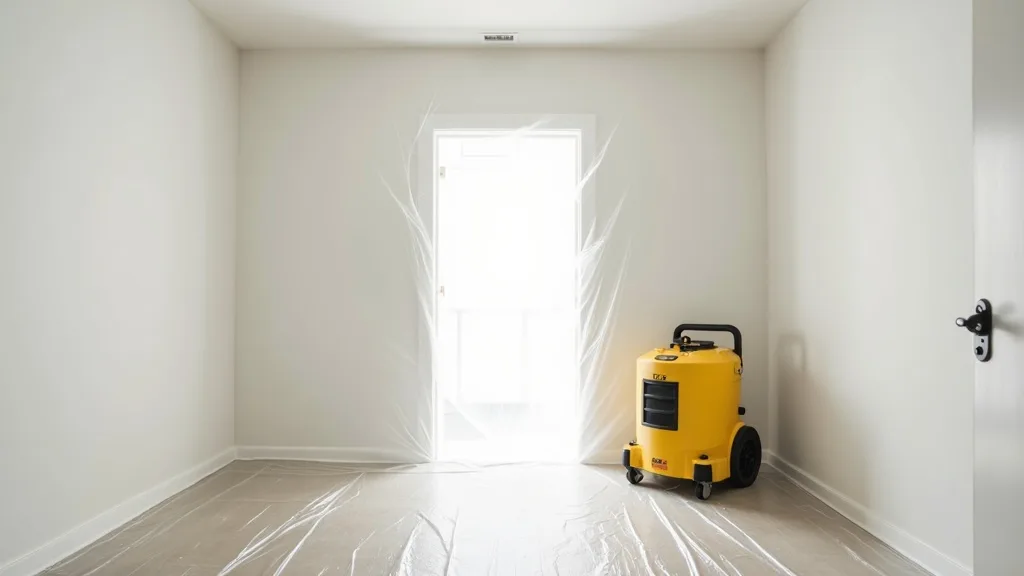
Mold Remediation
Full containment, HEPA filtration, and removal for larger infestations after leaks, floods, or long-term moisture.
Learn more →
Mold Inspection & Testing
Find out what you’re dealing with — moisture mapping, visual inspection, and lab testing when you need proof.
Learn more →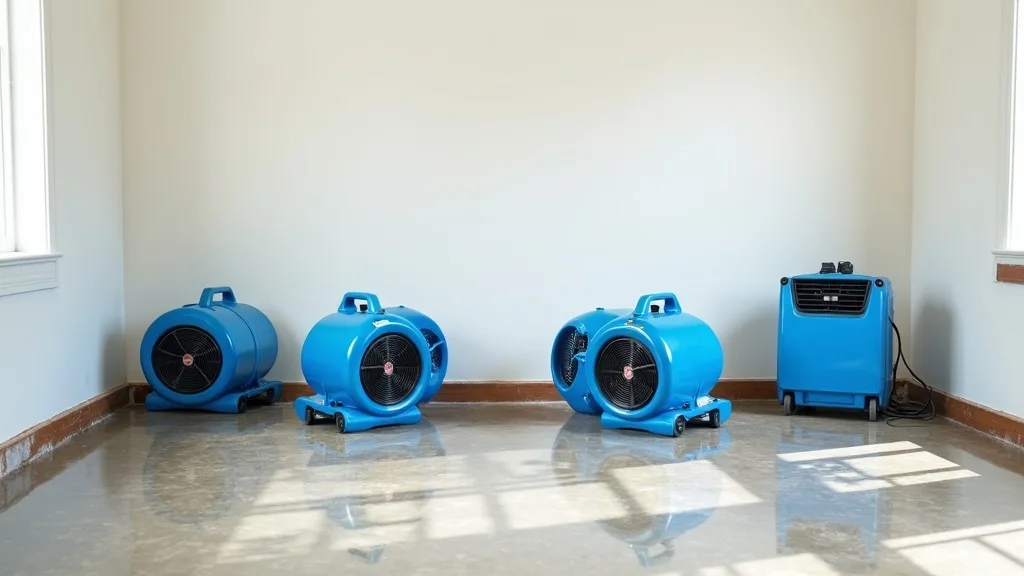
Water Damage Restoration
Emergency water extraction and structural drying after a leak or flood — the fastest way to stop mold before it starts.
Learn more →How it works
No call centers, no pressure. Three steps to a straight answer about your mold.
- 1
Tell us what’s happening
Fill out the quick form with your ZIP code and what you’re seeing or smelling. Takes about a minute.
- 2
We get you a fast, free quote
We review your details and your area and get back to you with a clear, no-obligation quote — no national call center, no runaround.
- 3
You decide, no pressure
Look it over, ask questions, and move forward only if it’s right for you. Honest pricing, no scare tactics.
Signs you may have a mold problem
- A musty, earthy smell that won’t go away — especially near vents or closets
- Black, green, or white spots on drywall, ceilings, baseboards, or grout
- A recent roof leak, slab leak, water heater failure, or monsoon flooding
- Allergy-like symptoms — congestion, itchy eyes, coughing — that ease when you leave home
- Warping, bubbling, or discoloration on walls and ceilings
- Condensation or water stains around AC vents and windows
Seeing or smelling mold? Don’t disturb it — that spreads spores. Get it looked at first.
Mold removal across the Phoenix metro
We handle mold removal, remediation, and inspection across these Valley cities — and the suburbs around them.
- Phoenix Mold Removal Central, Arcadia, Ahwatukee & more
- Mesa Mold Removal East Valley
- Scottsdale Mold Removal North Scottsdale & Old Town
- Tempe Mold Removal Near ASU & the lakes
- Chandler Mold Removal Southeast Valley
- Gilbert Mold Removal Including the Heritage District
- Glendale Mold Removal Arrowhead & Historic Downtown
- Goodyear Mold Removal Estrella & PebbleCreek
- Peoria Mold Removal Vistancia & Lake Pleasant
- Surprise Mold Removal Sun City Grand & Marley Park
Frequently asked questions
Can you really get mold in a dry climate like Phoenix?
Yes. Mold needs moisture, not humidity in the air — and Phoenix homes have plenty of moisture sources: AC condensate lines, slab leaks, monsoon roof leaks, swamp coolers, and pipe breaks. Because the air is dry, mold usually hides in attics, walls, and under floors before anyone notices a musty smell.
How do I know if it’s black mold?
You can’t confirm “black mold” (often Stachybotrys) by color alone — several molds look black or dark green. The only way to know the species is lab testing. What matters more is the moisture behind it: any mold growing on a wet surface should be addressed, regardless of color.
How much does mold removal cost in Phoenix?
Most Phoenix mold jobs run between $500 and $4,000. A small closet or bathroom area can be a few hundred dollars, while whole-room remediation after a slab leak or flood costs more. A free quote gives you an exact number for your situation.
Do I need a mold inspection or testing first?
If you can already see mold and know the cause, you usually don’t need testing to start cleanup. Testing makes sense when mold is hidden, when you’re buying or selling a home, or when you need documentation for insurance or a health concern.
Is mold a health risk?
Mold can trigger allergy and asthma symptoms, and some people are more sensitive than others. The CDC recommends removing mold and fixing the moisture source promptly. A proper job contains the area so spores don’t spread through the rest of your home during removal.
How fast can someone come out?
For active leaks and flooding, speed matters — mold can start within 24–48 hours in Phoenix heat. Submit the form with your ZIP and situation and we’ll get you a fast quote and prioritize an urgent visit.
Worried about mold in your Phoenix home?
Get a fast, free, no-obligation quote. No pressure, no scare tactics — just a straight answer.