White Mold vs. Efflorescence: What's on My Wall?
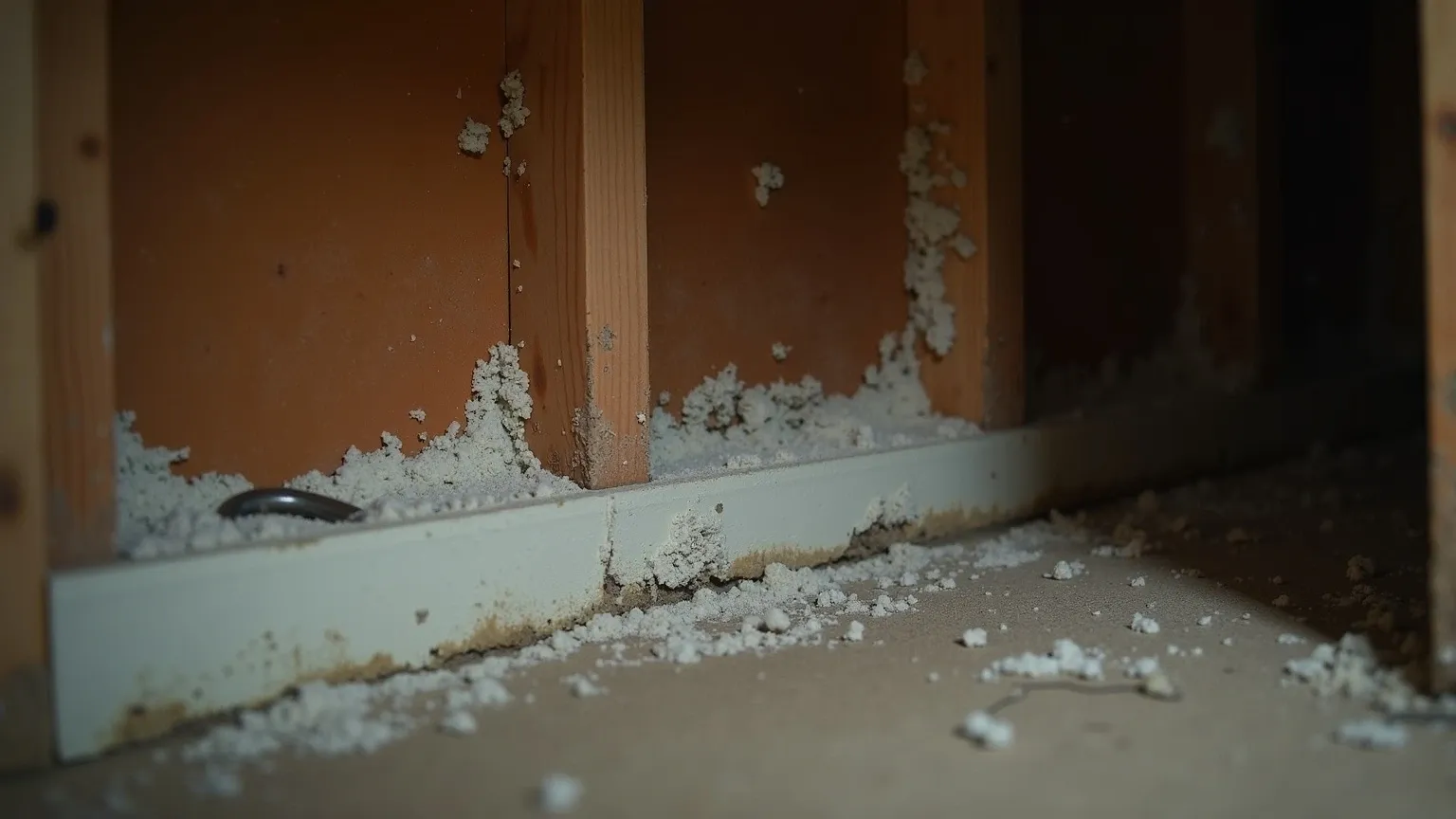
You found a white, chalky, or fuzzy patch on a wall and you want to know if it is mold. Here is the short answer: if it is on bare block, concrete, stucco, or brick and dissolves when you spray water on it, it is almost certainly efflorescence — harmless mineral salt. If it is on drywall, wood, or another organic surface, feels soft or fuzzy, and does not dissolve, it may be white mold and worth a closer look.
Those two things look almost identical from across a room, but they are completely different problems. Mixing them up wastes money in both directions — people pay for remediation they do not need, or they scrub off “harmless dust” that was actually a spreading mold colony. In Phoenix specifically, the odds tilt toward efflorescence on masonry because of our hard water and fast evaporation, so it pays to tell them apart before you panic or ignore it.
What is the difference between white mold and efflorescence?
White mold is alive. It is a fungus — a colony that feeds on the surface it sits on and spreads as long as there is moisture. It grows on organic material: drywall paper, wood studs, baseboards, cardboard, fabric, and the dust film inside ductwork. Up close it looks filamentous, like threads or fuzz. The U.S. Centers for Disease Control notes that mold grows wherever moisture collects — around roof, window, or pipe leaks, or after a flood — and grows on paper, wood, and ceiling tiles (CDC).
Efflorescence is not alive at all. It is a mineral deposit — salts that were dissolved inside concrete, block, brick, or stucco. Water seeps into the masonry, dissolves calcium, sodium, and potassium salts, carries them to the surface, then evaporates. The water leaves; the salt stays as a white crystalline bloom, the same process that leaves a ring in a dry glass of mineral water. Efflorescence cannot grow on drywall or wood because those materials do not contain the salts that create it.
So the headline difference: white mold is organic growth tied to moisture and health risk; efflorescence is a mineral stain that signals moisture but is not itself a health hazard.
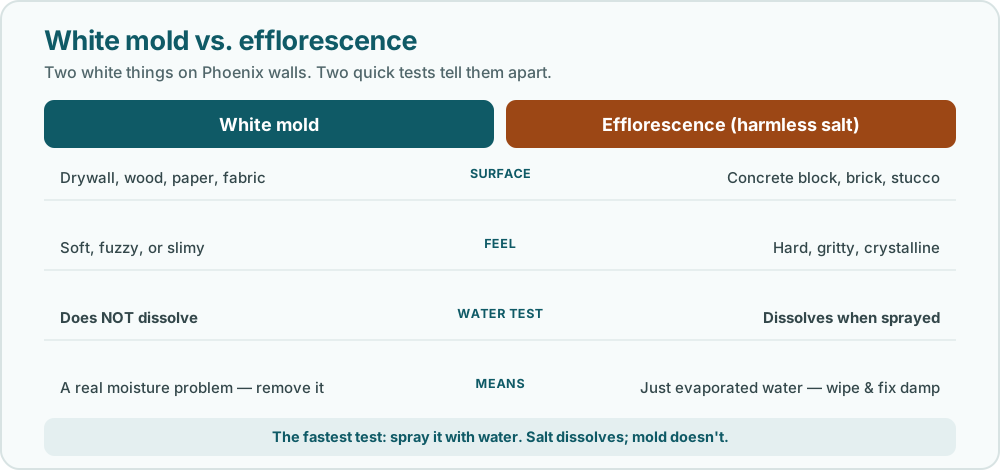
White mold vs. efflorescence: the comparison table
| White mold | Efflorescence | |
|---|---|---|
| What it is | Living fungus (organic growth) | Mineral salt deposit (not alive) |
| Appearance | Fuzzy, cottony, thread-like; can look spotty or patchy | Crystalline, powdery, chalky; often a flat bloom or streak |
| Surface | Drywall, wood, baseboards, paper, fabric, insulation | Block, concrete, brick, stucco, slab floors, pool decks |
| Feel | Soft, fuzzy, sometimes slimy | Gritty, crystalline, like fine sand or powder |
| Water-spray test | Stays put, may smear or turn slimy | Dissolves and disappears |
| What it means | Active moisture + possible health risk; needs removal | Water has moved through masonry; fix the moisture, not a health threat |
How do I test which one it is? (Two tests you can do in five minutes)
You do not need a lab to make a first call. Two simple tests sort most cases.
The water-spray test
Put plain water in a spray bottle and mist the white patch. Watch what happens.
- If the white substance dissolves and vanishes as it gets wet, it is efflorescence. Salt dissolves in water; that is what salt does.
- If it stays put, smears, or turns slimy, it is more likely mold. A living colony does not dissolve.
This single test resolves a large share of “is it mold?” questions, especially on garage walls, block fences, and slab floors.
The rub-and-feel test
Gently rub the deposit with a gloved finger or a dry paper towel.
- Gritty and crystalline, like fine sand or sugar that brushes off as powder, points to efflorescence.
- Soft, fuzzy, or cottony, with a texture more like felt or lint, points to mold.
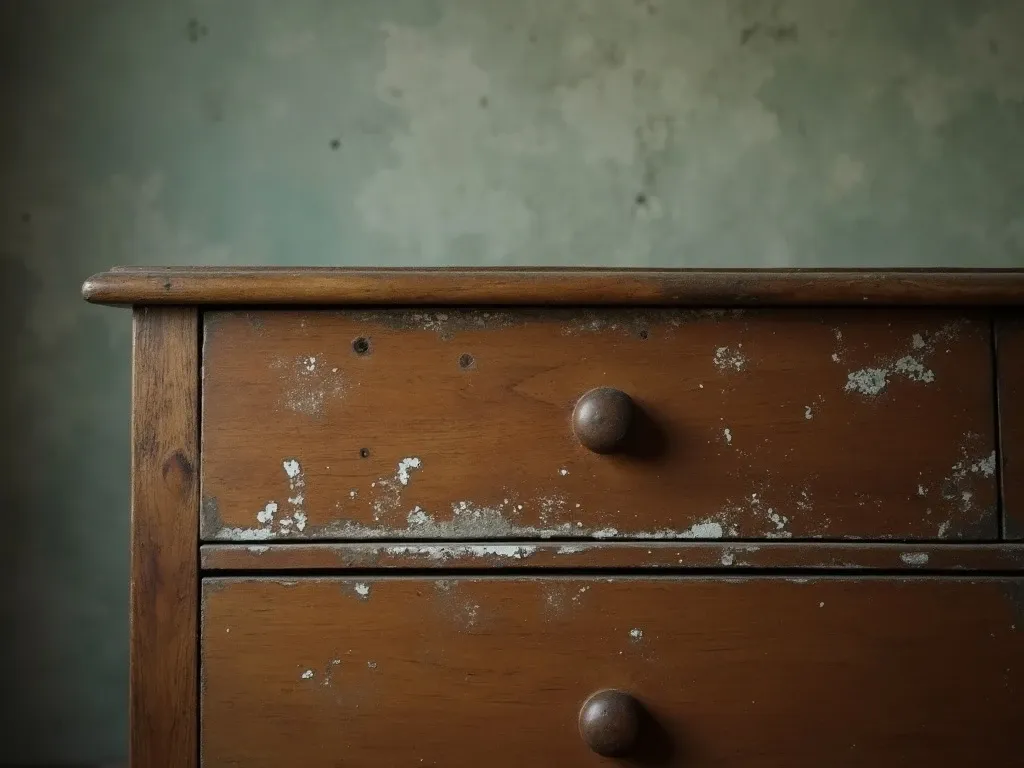
Check the surface and the location
Surface type is often the fastest tell of all. Ask what the white stuff is sitting on.
- Masonry — concrete block, poured slab, brick, stucco, the pool deck, the foundation stem wall: efflorescence is the heavy favorite.
- Organic material — painted drywall, wood trim, the back of a closet, an MDF cabinet: white mold is in play, and the water-spray test matters more.
Location adds context. Efflorescence shows up where water passes through masonry — the base of a block wall hit by sprinklers, a slab near a slab leak, a stucco wall below a leaking hose bib. Mold shows up where organic surfaces stay damp — behind a baseboard above a slab leak, drywall under an AC air handler, the wall behind a swamp cooler.
A quick caution: these home tests are a strong first read, not a final diagnosis. Painted masonry can hold mold, and a heavy efflorescence crust can trap dust that looks fuzzy. If the result is ambiguous or the surface is organic, that is the point to bring in a mold inspection.
Why is efflorescence so common in Phoenix?
Phoenix is close to an ideal factory for efflorescence, and most homeowners have no idea that is what they are seeing.
Two local conditions stack up. First, our water is hard — heavy with dissolved minerals — so any water moving through masonry is loaded with salt. Second, evaporation here is brutal. In dry desert heat, water wicks to the surface of a block wall or slab and evaporates fast, dropping its mineral load instead of staying dissolved. Humid climates get efflorescence too, but Phoenix’s hard water plus rapid evaporation makes the white bloom show up faster and heavier.
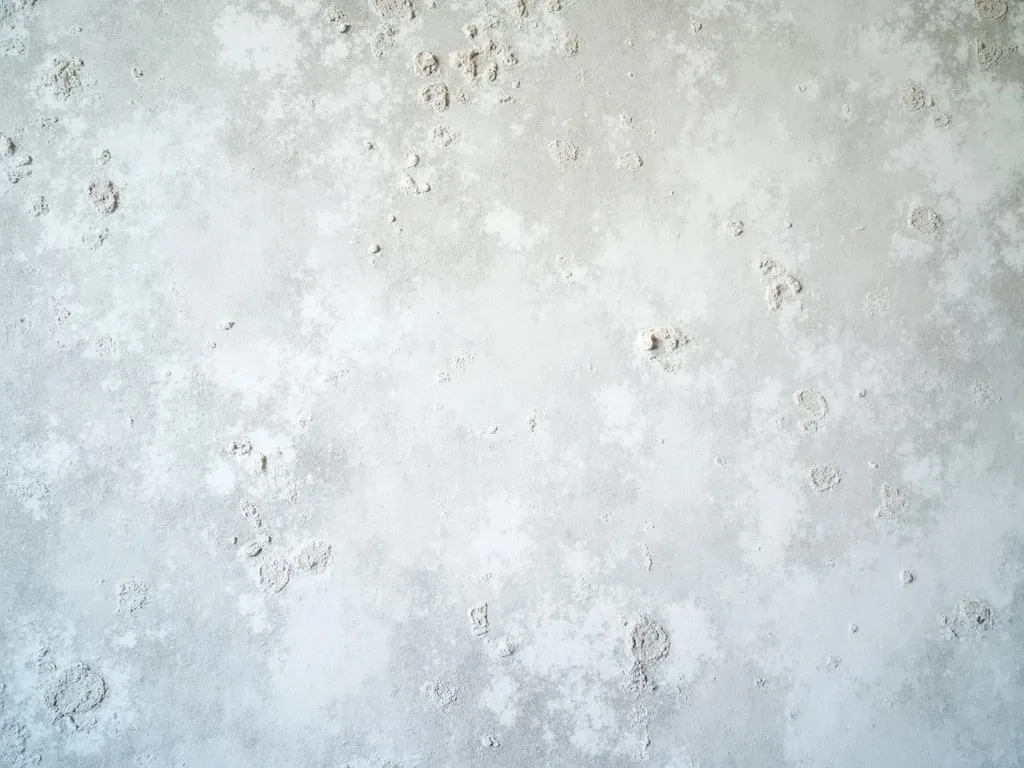
The water sources are everywhere in a Phoenix yard: sprinkler and drip overspray on the bottom courses of block fences and stucco, pool splash-out keeping concrete decks damp, and irrigation running against north-facing walls that never dry fully. Inside, a slow slab leak under an older Central or East Valley home can push efflorescence up through a concrete floor or onto the bottom of a wall — sometimes the first visible clue that a leak exists.
So in Phoenix, white powder on the garage slab, the block fence, or the stucco near a sprinkler is usually efflorescence. It is not a health problem, but it is telling you water is moving where it should not, and that same water can feed real mold on nearby drywall or wood. For the bigger picture on why “you can’t get mold in the desert” is a myth, see our guide on mold in the desert.
When is white mold real and dangerous in a Phoenix home?
White mold is not a specific species — plenty of common molds, including some early-stage growths that later darken, appear white or pale. The color is less important than two facts: it is growing on organic material, and moisture is feeding it. When both are true, it is a real problem.
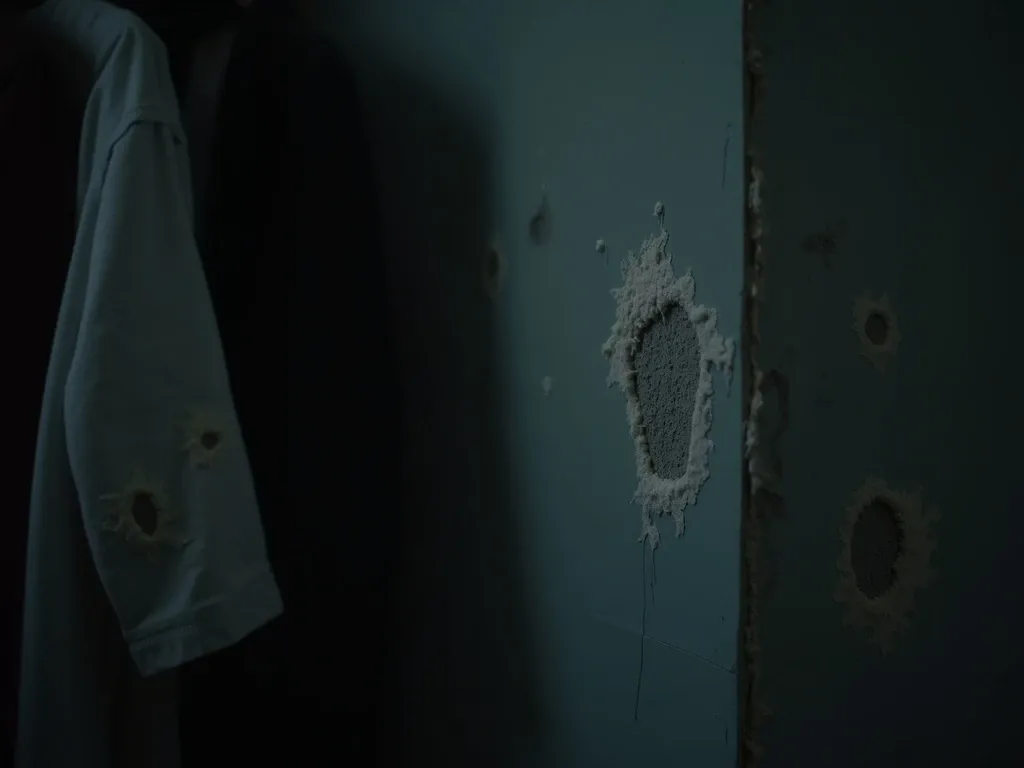
In Phoenix homes, the usual setups are familiar moisture stories:
- Slab leaks under older slab-built homes wick moisture up into baseboards, the back of cabinets, and the bottom foot of drywall, where mold takes hold out of sight.
- Swamp (evaporative) coolers pump humidity indoors. An under-maintained unit can grow mold in ducts and around ceiling vents, sometimes showing as a pale fuzz near the diffuser.
- Closed-up homes sitting empty in summer — a snowbird’s place, a rental between tenants — with the AC off trap whatever moisture is present. Still air plus a leak equals mold on closet walls and behind furniture.
- Roof and AC condensate leaks keep ceiling drywall and attic-side framing damp long enough for growth.
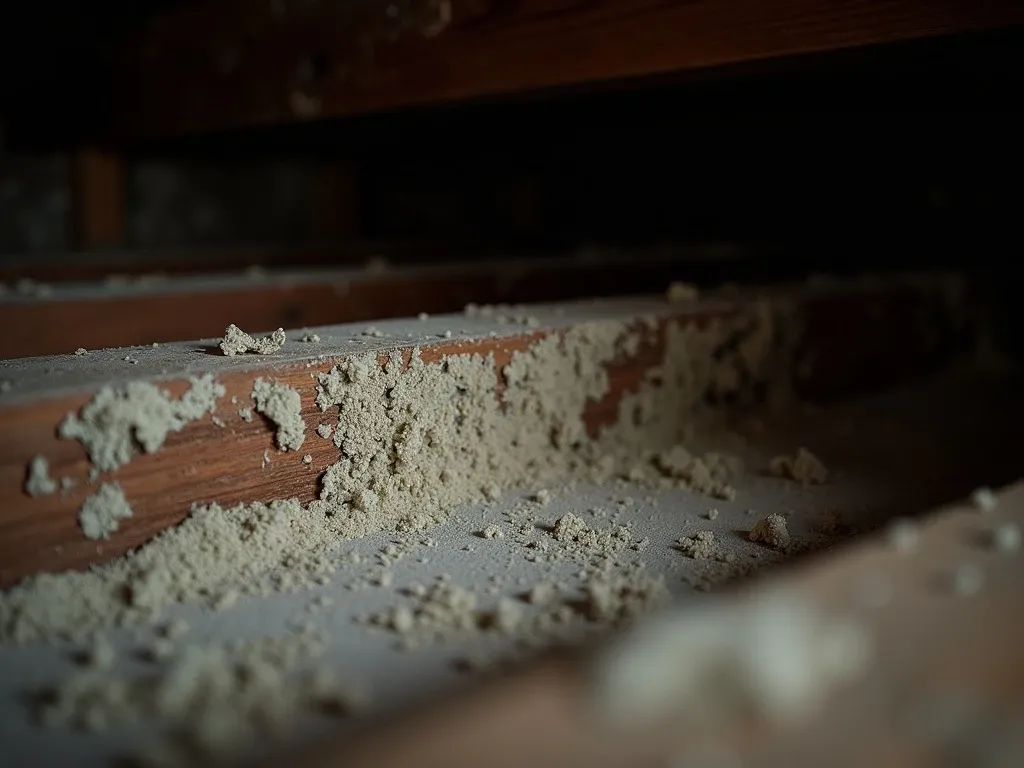
On health: the CDC says damp, moldy indoor spaces can cause stuffy nose, throat irritation, coughing, wheezing, and eye or skin irritation, and that people with asthma or mold allergies can react more strongly (CDC). The CDC does not recommend routine mold testing — whatever the type, the response is the same: remove it and fix the moisture. White mold is not automatically worse or better than darker molds; the deciding factors are how much there is, what it is growing on, and whether water keeps feeding it. If you want to understand how white growth relates to the mold people worry about most, see our guide on black mold.
What should I do about each one?
The fix depends entirely on which one you have, so confirm it first with the tests above.
If it is efflorescence
Treat it as a moisture clue, not an emergency. The white deposit itself brushes or washes off, but it will return until the water source is addressed. Redirect sprinklers away from the wall, fix overspray and irrigation pooling, manage pool splash-out, and check for any plumbing leak feeding a slab or stem wall. If efflorescence keeps reappearing on an interior slab or the base of an interior wall, that can point to a slab leak worth investigating — and the same hidden water can grow actual mold nearby.
If it is white mold
For a small patch — EPA guidance puts the do-it-yourself line at under about 10 square feet, roughly a 3-by-3-foot area, on a hard surface — many homeowners can clean it with detergent and water and then dry the area completely (EPA). The non-negotiable part is finding and fixing the moisture: EPA is blunt that the key to mold control is moisture control, and that wet materials should be dried within 24 to 48 hours to prevent growth. Cleaning the surface without stopping the water just resets the clock.
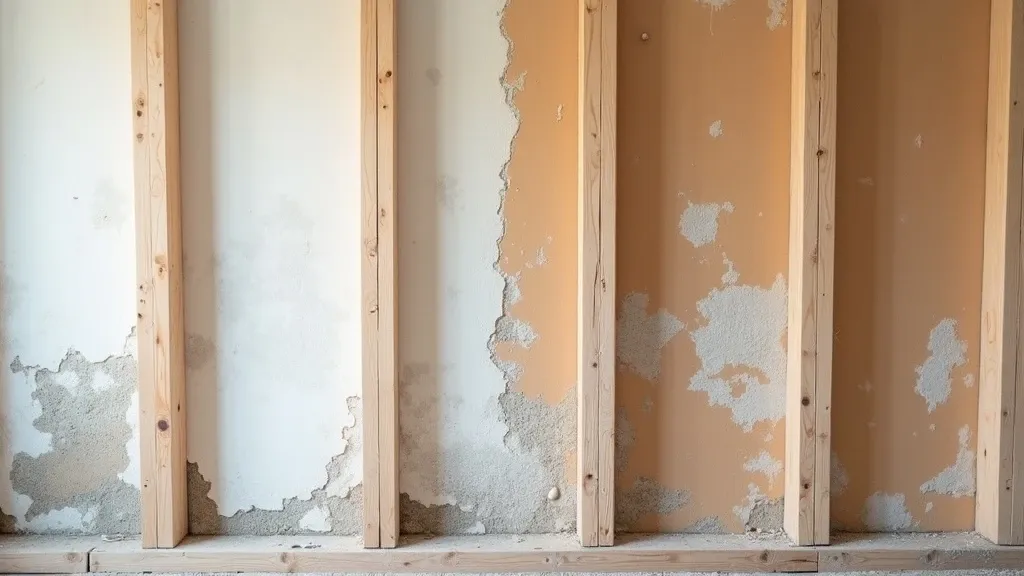
Bring in a professional when the growth is on porous material like drywall or wood, when it covers more than that small area, when it follows a slab leak, roof leak, or flood, or when anyone in the home has asthma or a weakened immune system. A pro finds the moisture source, contains the area so spores do not spread, removes affected material, and verifies it is dry. That is the work behind proper mold removal.
Get a free quote for your home
If you have run the water-spray and feel tests and you are still not sure, or you confirmed it is mold and want it handled right, fill out the form on this page. We will get you a free, no-obligation quote, fast. You will get a straight read on whether that white patch is harmless efflorescence or mold that needs work, with no pressure either way.