Black Mold in Phoenix: How to Tell & What to Do
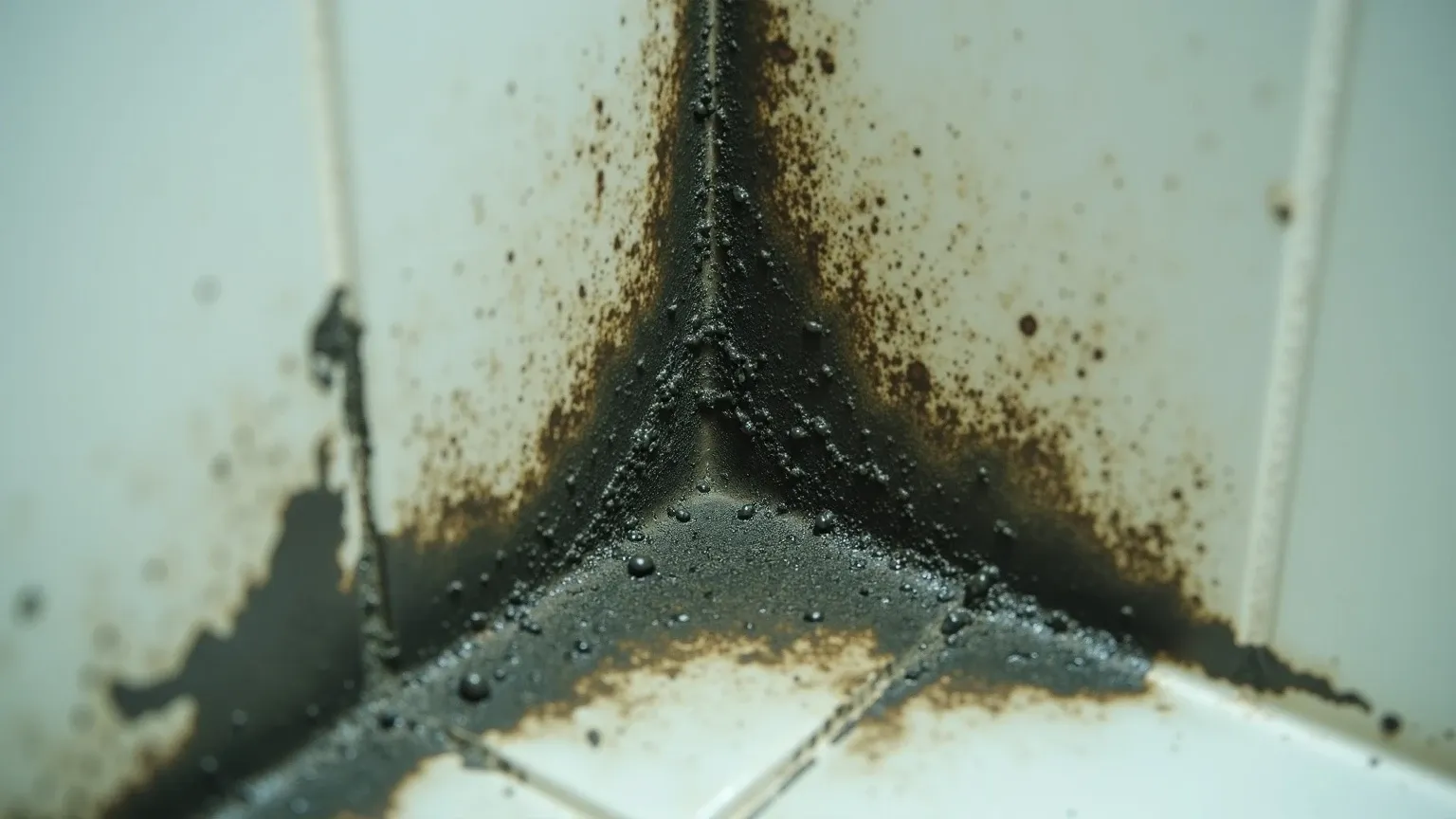
You can’t identify “toxic black mold” by color, and you don’t need to. Many common molds look black or dark green, and Stachybotrys can’t be confirmed by sight. Per the CDC, any indoor mold should be removed the same way, no matter the species. Find the moisture source, fix it, and clean or remove the affected material.
Is that black mold? Why you can’t tell by color
If you searched “black mold” after spotting a dark patch on a wall or ceiling, here’s the honest answer: the color tells you almost nothing.
The phrase “toxic black mold” usually points to one species, Stachybotrys chartarum. But dozens of ordinary molds also show up black, dark green, or gray — including the harmless stuff that grows on bathroom grout. And Stachybotrys itself isn’t reliably black. So a dark color is not proof of anything, and a lighter color isn’t an all-clear.
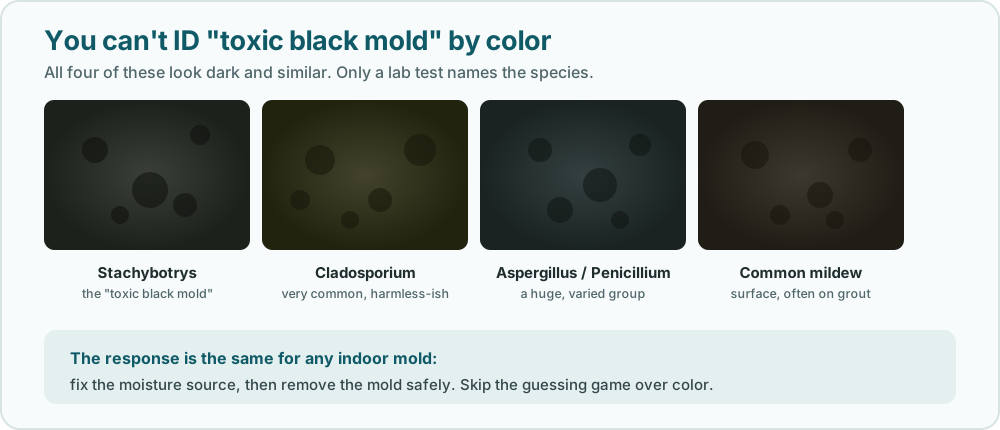
The good news is that the species doesn’t change what you should do. The CDC’s mold guidance is blunt: no matter what type of mold is present, you need to remove it. The cleanup is the same whether it’s Stachybotrys, Cladosporium, or Aspergillus.
Do you need to test it?
Almost never, if you can already see it. Both the CDC and the EPA say sampling is generally unnecessary when mold is visible, because there are no federal standards to test against and you’d remove it either way. A few cases where testing earns its cost:
- Confirming a cleanup worked after remediation in a sensitive household.
- Hunting hidden mold you can smell but can’t find — best left to a pro, since opening a wall can release a cloud of spores.
- Buying a home with past water damage or a musty smell, especially an older Phoenix slab house where leaks hide for months.
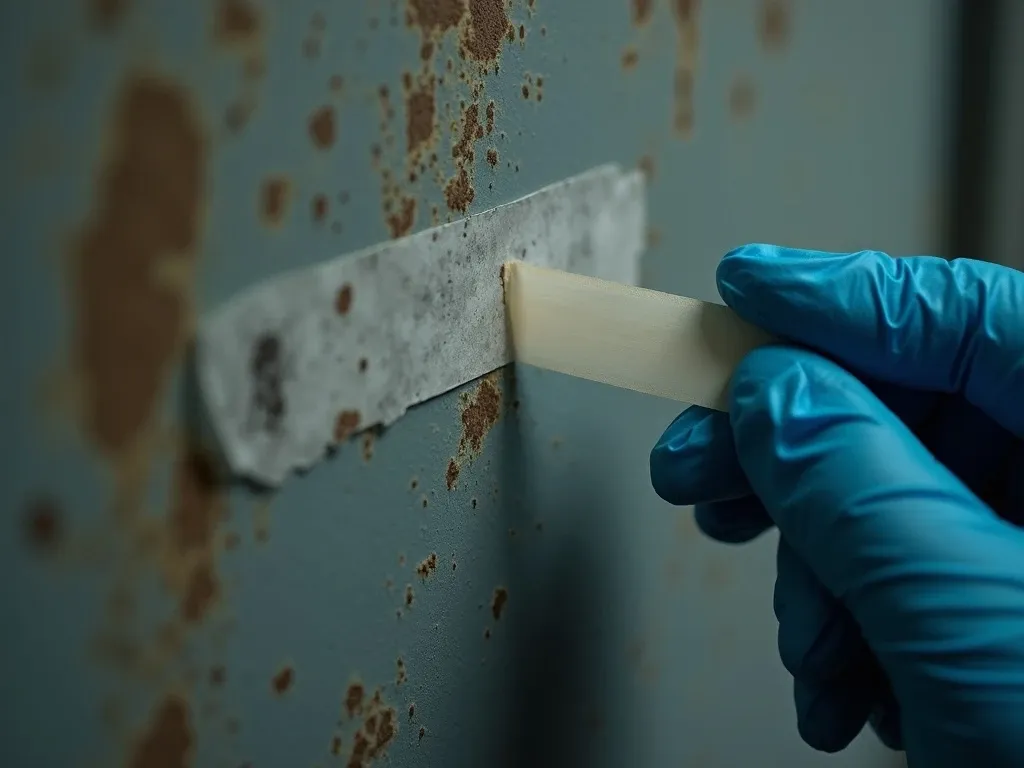
Spending a few hundred dollars to learn the name of a mold you’re going to remove anyway is rarely worth it.
Where black mold actually hides in Phoenix homes
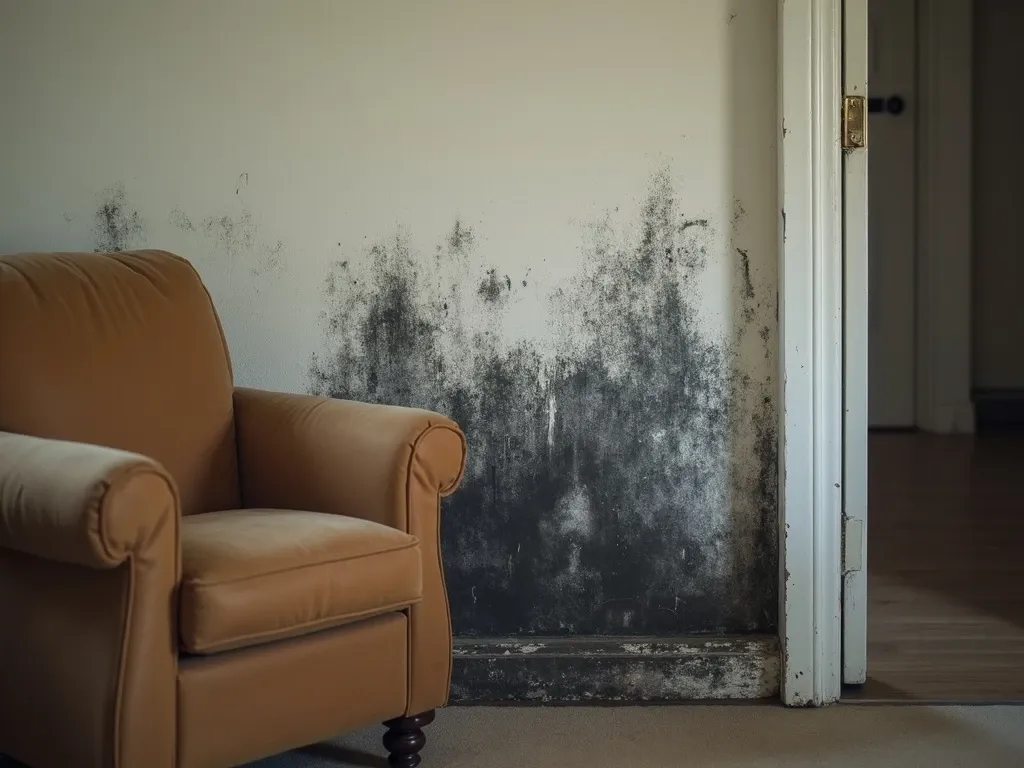
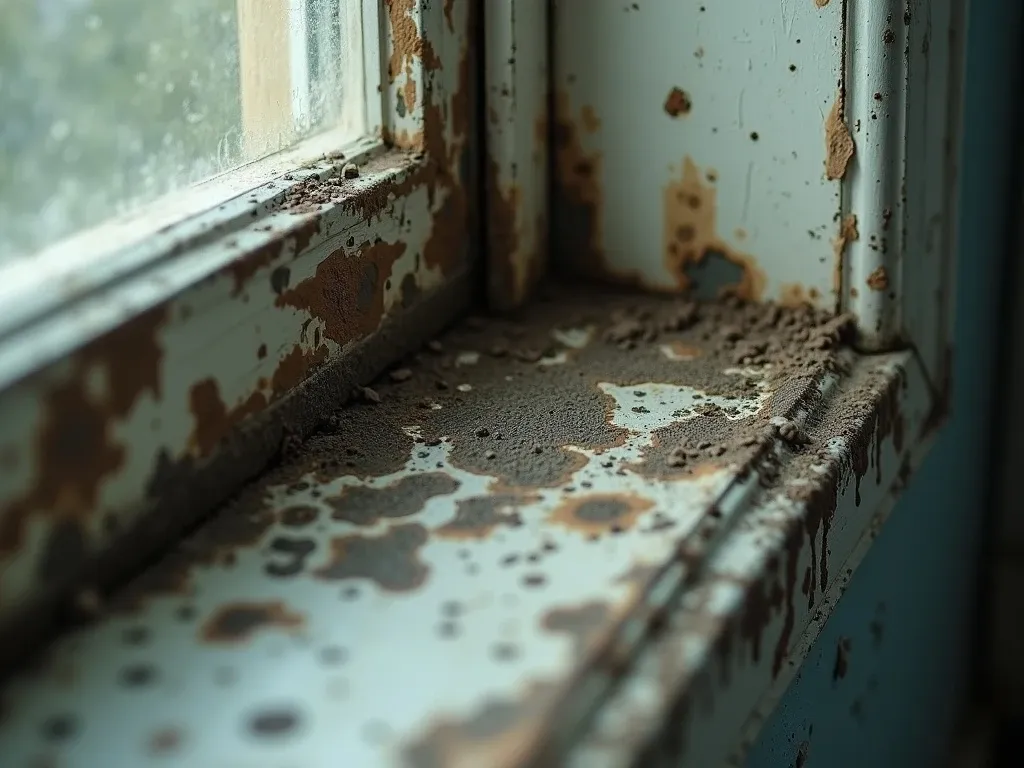
This is where Phoenix is different from a humid city. Mold needs a moisture source, not muggy air — and our air is so dry that mold here almost always grows out of sight, fed by a leak. You usually smell it before you see it. A musty odor with no visible mold is one of the most common signs in the Valley.
Slab leaks under older Arcadia, Coronado, and Encanto homes
Mid-century ranch homes across Central and East Phoenix sit on concrete slabs with copper or galvanized plumbing that’s now 60 to 70 years old. A single pinhole slab leak wicks moisture up into hardwood floors, baseboards, and the bottom of drywall for months before a stain ever appears. By the time you see dark growth along a baseboard, it’s been growing behind it. This is one of the most common hidden mold sources we see in older neighborhoods.
AC air-handler closets in newer Ahwatukee and Desert Ridge homes
Two-story stucco homes in Ahwatukee, Desert Ridge, Laveen, and Estrella run their air conditioning close to half the year. When a condensate line clogs with dust or the attic air handler’s drain pan rusts through, water overflows and soaks the ceiling or wall below. The air-handler closet itself — dark, enclosed, and damp — is a classic spot for black-looking mold. Check the drain pan and the ceiling under any upstairs or attic unit.
Behind drywall and in attic insulation after a monsoon roof leak
From June through September, Phoenix’s flat and low-slope roofs pond water during heavy downpours. A hairline crack in the roof membrane lets water into the attic, where it sits warm and dark in the insulation and behind the ceiling drywall. If your home took on roof water or flooded during a storm, mold can start within 24 to 48 hours in summer heat — so it’s worth a look even after everything looks dry. For the full picture on why the desert isn’t safe from mold, see our guide on mold in the desert.
Swamp coolers and pool overspray
Older homes in Maryvale, Sunnyslope, and South Phoenix that still run evaporative “swamp” coolers pump real humidity inside; under-maintained units grow mold in their ducts and around ceiling vents. And in backyards with pools, constant splash-out and sprinkler overspray against north-facing block and stucco walls creates damp pockets that never fully dry.
How serious is black mold for your health?
Mold is a genuine health topic, so it’s worth being accurate rather than scary.
For most people, the health effects of mold are allergy-type symptoms: a stuffy or runny nose, coughing or wheezing, itchy or burning eyes, a sore throat, or a skin rash. Some people have no reaction at all.
Certain groups react more strongly or face higher risk:
- People with asthma or a mold allergy can have stronger respiratory symptoms.
- People with weakened immune systems or chronic lung disease can, per the CDC, develop lung infections from mold and should avoid moldy areas.
- Infants, older adults, and anyone with breathing conditions warrant extra caution.
The Arizona Department of Health Services covers the same ground in its mold-in-the-home fact sheet for Arizona residents.
What about the dramatic “toxic black mold poisoning” stories? The science there is thinner than the headlines suggest. Molds can produce compounds called mycotoxins, but the claim that ordinary household black mold routinely causes severe illness or neurological damage isn’t well established. The practical takeaway doesn’t change: you don’t want mold growing indoors, and you should remove it — calmly, not in a panic.
When can you DIY, and when should you call a pro?
The clearest line comes from the EPA’s Brief Guide to Mold, Moisture and Your Home. Its rule of thumb:
- Under about 10 square feet — roughly a 3-by-3-foot patch on a hard surface — most people can clean it themselves.
- More than about 10 square feet, or a lot of water damage, is when to bring in a professional.
Doing it yourself, safely
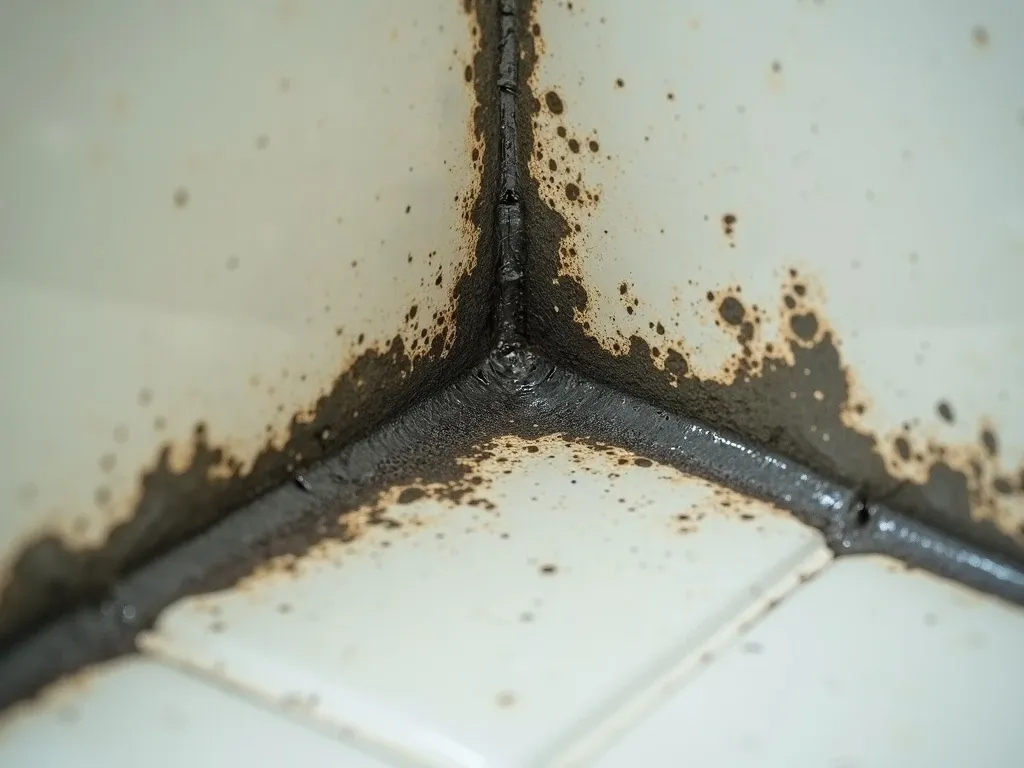
For a small patch on tile, glass, or sealed surfaces: scrub with soap and water, or a bleach solution of no more than one cup of household bleach per gallon of water. Never mix bleach with ammonia or other cleaners — that makes a poisonous gas. Wear gloves, eye protection, and an N95. Dry the area completely, because mold comes right back if the moisture source is still there. Porous materials like soaked drywall, carpet, or ceiling tiles usually can’t be saved and should be removed.
Reasons to call a Phoenix mold pro instead
- The area is bigger than a 3-by-3 patch, or you can smell mold but can’t find it.
- The water came from a slab leak, sewage, or flooding.
- Mold is inside walls, in the attic, or in your HVAC and air-handler closet.
- Anyone in the home has asthma, allergies, or a weakened immune system.
- You’ve cleaned it before and it keeps returning — a sign the real moisture source is still leaking.
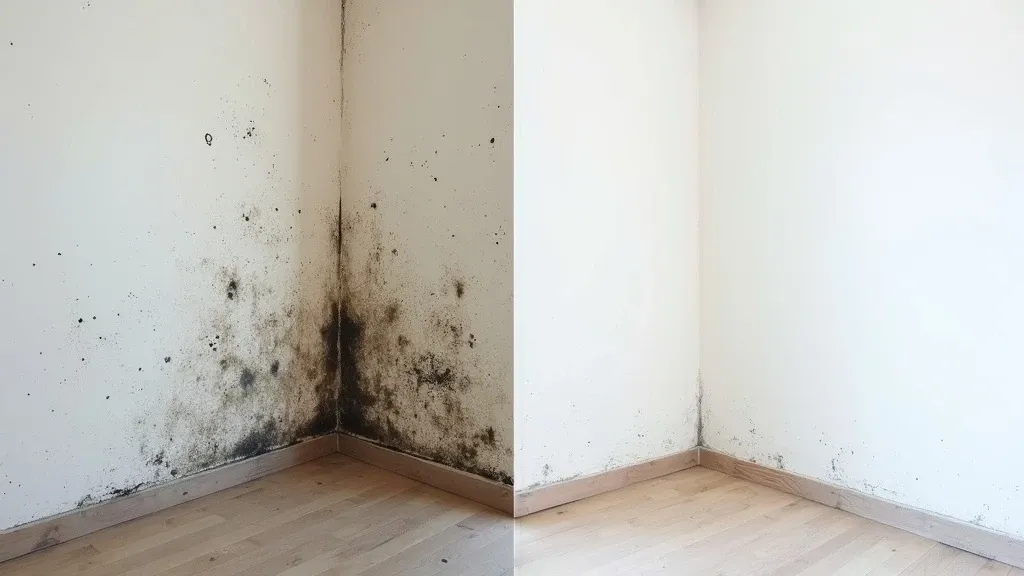
A professional finds and fixes the moisture source first, contains the work area so spores don’t spread through the house, removes affected materials, cleans and dries everything, and can verify the result. If the dark patch you found is more than surface-deep, start with a mold inspection to map how far it goes, then move to mold removal for the cleanup. You can also see typical mold removal cost ranges for Phoenix before you commit to anything.
Get a straight answer for your home
If you’ve found dark mold — or you just keep smelling something musty — the fastest way to know what you’re dealing with is a free, no-obligation quote. Mold Pros Phoenix handles mold removal across the Valley and knows Phoenix housing, from 1950s Arcadia slab homes to new Ahwatukee stucco. Fill out the form and we’ll get you a local quote — no pressure, no guesswork about the color of a stain.