Vacant Home Mold & Insurance Arizona
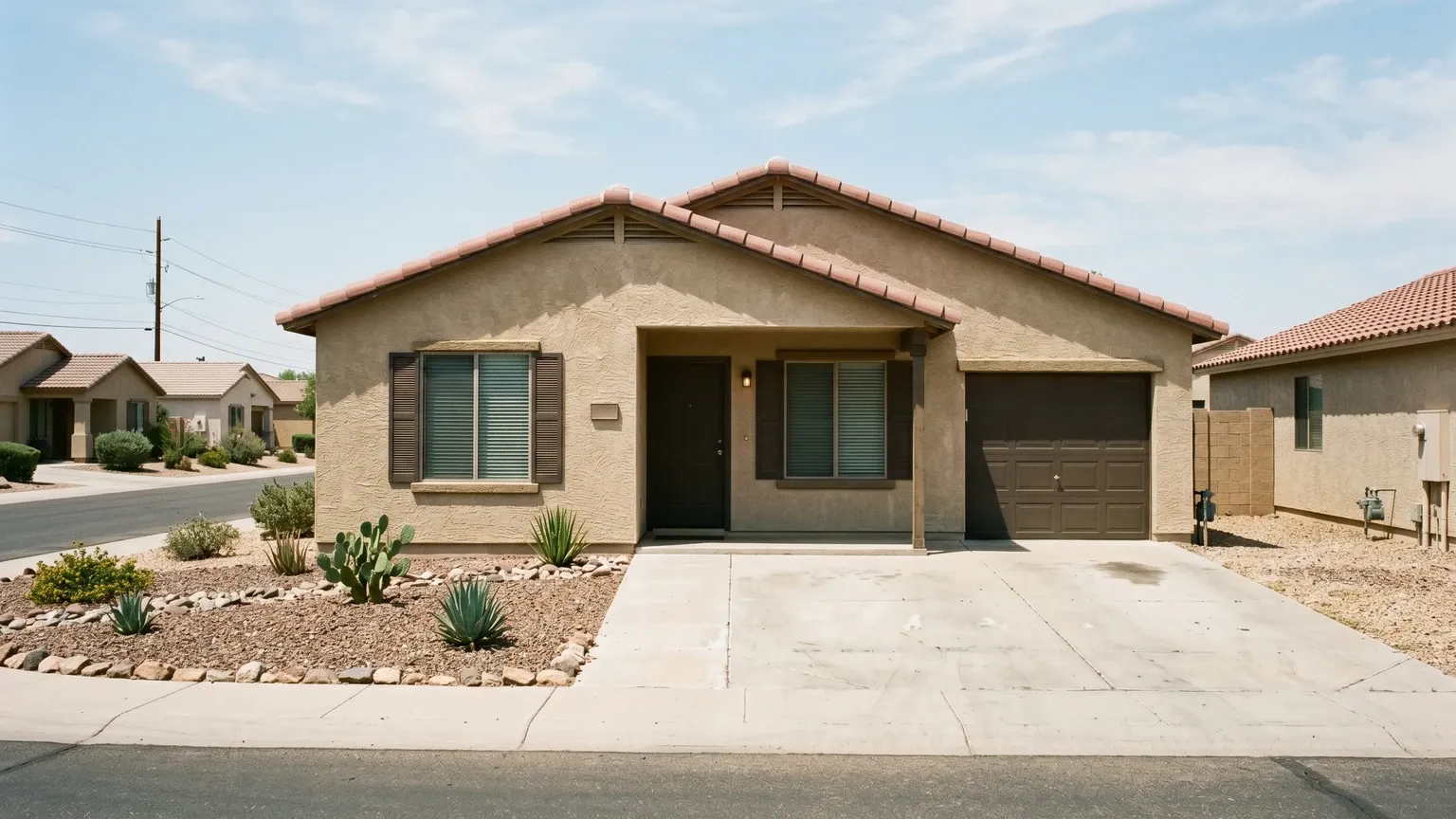
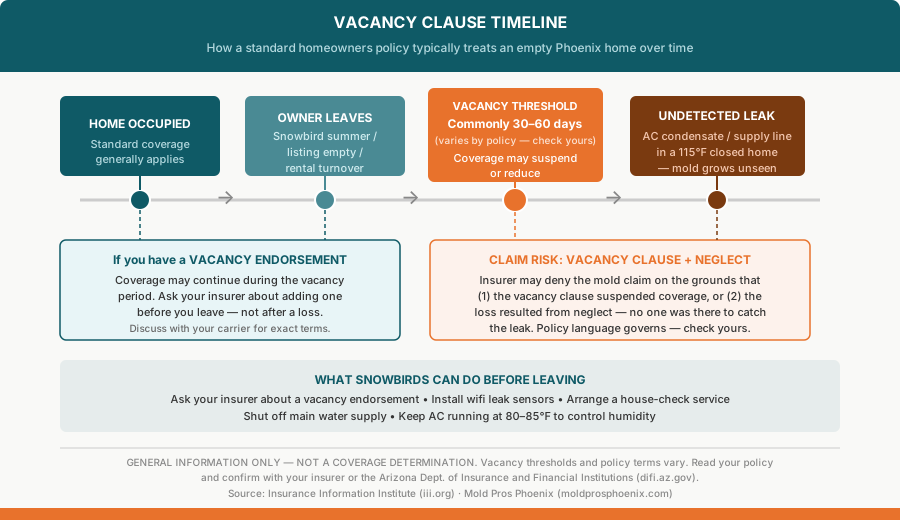
When a Phoenix home sits empty, a standard homeowners policy may reduce or suspend mold coverage after a vacancy period, often 30 or 60 consecutive days, but the threshold varies. A leak running undetected in a closed-up summer house lets an insurer deny the claim under a vacancy clause, a neglect exclusion, or both. Check your policy before you leave.
This is general information, not a coverage determination. Arizona policies vary by carrier and endorsement. Before leaving a home empty for an extended period, read your policy’s vacancy or unoccupancy clause and confirm with your insurer or the Arizona Department of Insurance and Financial Institutions (DIFI). For a full explanation of how Arizona homeowners policies handle mold coverage, see our Arizona mold insurance guide.
What is a vacancy clause and why does it matter for mold?
Most homeowners policies include a vacancy or unoccupancy provision that limits or suspends coverage for certain perils once the home sits empty past a defined threshold. The exact terms live in your policy, so it is worth reviewing what your insurer counts as a “vacant” or “unoccupied” home: once that threshold is crossed, the policy may no longer respond to water damage or mold the way it does when someone is living there.
Two terms appear in policies and they can mean different things. Vacant generally means the home is empty of both people and furnishings. Unoccupied generally means the home is furnished but no one is regularly present. Which term your policy uses and what it triggers matters. The clause to look for is typically in the Conditions or Exclusions section of your policy.
This intersects with mold because standard mold coverage depends on a covered water event that is sudden and accidental. When no one is in the house, insurers can challenge whether a water event was truly sudden or whether it ran for weeks as a gradual, undetected leak the policyholder could have caught.
The Phoenix-specific mold risk inside a vacancy gap
A vacancy clause is a policy problem. The mold itself is a physics problem, and in a Phoenix summer the physics are aggressive.
When a home is closed up through June, July, August, and September with the AC off, indoor humidity climbs because nothing is removing moisture from the air. The EPA recommends keeping indoor relative humidity below 60% to limit mold growth, and in a sealed, uncooled Phoenix home you can exceed that without any water intrusion at all.
Now add a small leak. An AC condensate drain line that clogs and overflows a little at a time, a supply-line fitting that drips behind a wall, a water heater that begins to seep from its base. In an occupied home that gets caught within days. In an empty one the same leak can run for the entire summer. By the time you return in October, mold has had months to establish inside walls and under flooring, in conditions that accelerate growth.
How the vacancy clause and neglect exclusion work together
Standard policies carry at least two tools that can defeat a mold claim on a vacant home.
The vacancy clause itself typically kicks in after the defined period and may do one or more of the following: exclude water damage entirely, cap coverage, or void the policy. The exact effect depends on your policy language.
The neglect exclusion is a separate tool. Even if the vacancy clause does not fully void coverage, an insurer can argue that the loss resulted from the homeowner’s failure to maintain or monitor the property. The Insurance Information Institute is direct that standard policies are not designed to cover mold from lack of maintenance. A mold colony that grew for three months in a closed-up house while the owner was out of state is purpose-built for a neglect argument.
The two can be applied together: the vacancy clause may suspend formal coverage, and the neglect exclusion may apply as an independent basis for denial.

About the vacancy threshold: it varies
Policies commonly cite 30 or 60 consecutive days, but that is not a universal rule. Some carriers use different periods; some distinguish between seasonal vacation and genuine abandonment; some have no explicit vacancy clause at all. A few things to check in your policy:
- Does it use “vacant,” “unoccupied,” or both, and does it define them?
- What is the consecutive-day threshold?
- What coverage changes when that threshold is crossed?
- Is there an option to purchase a vacancy endorsement?
If you rent your Phoenix home between tenants, the same questions apply. A listed-but-empty home in a slow market faces the same exposure. Because policies differ this much, there is no safe assumption. The only reliable answer comes from reading your specific policy and asking your carrier in writing.
The vacancy endorsement: get it before you leave
A vacancy endorsement extends coverage during a planned vacancy period. It is not the same product as the mold endorsement that adds a capped pot for mold removal — that one is weighed in is a mold endorsement worth it. It typically needs to be purchased before the home becomes vacant; you generally cannot add it after a loss has occurred or after the vacancy threshold has already been crossed.
The right time to ask your carrier about a vacancy endorsement is before the spring departure, not in October when you come home to a mold smell. Some insurers also offer vacant home insurance as a standalone policy for homes empty for extended periods. Your carrier’s specific endorsement terms govern.
Practical steps before leaving a Phoenix home empty
These steps address both the mold risk and the coverage gap.
Call your insurer first. Ask directly: does my policy have a vacancy clause, what is the threshold, and is an endorsement available? Get the answers in writing.
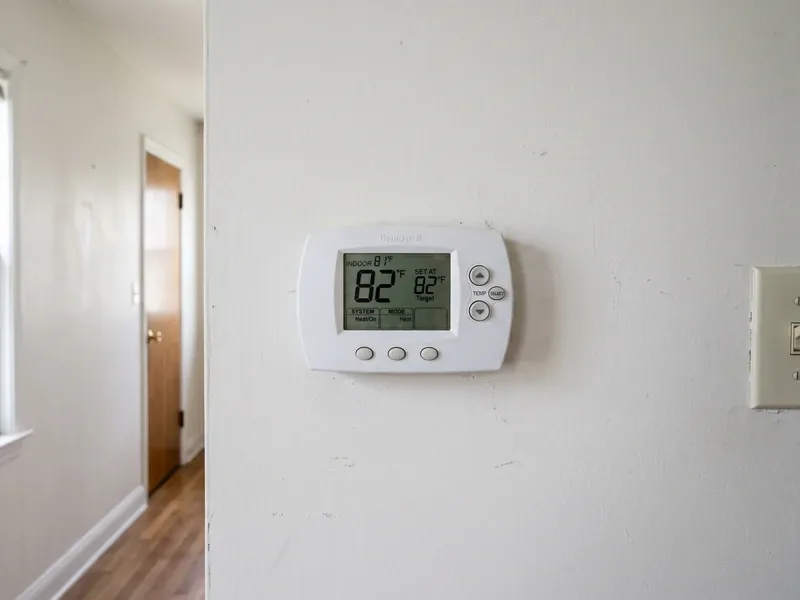
Keep the AC running. Set the thermostat to 80-85 degrees F. The system will continue to cycle and pull moisture from the air. A dehumidifier set to roughly 55% relative humidity is a useful backup. See our snowbird summer home mold checklist for the full pre-departure rundown.
Shut off the water. Closing the main water supply valve eliminates the supply-line failure risk. With the water off, a pipe fitting cannot drip for three months. The Insurance Information Institute recommends shutting off water to appliances when traveling, and for a multi-month absence the main valve is the stronger step.
Install wifi leak sensors. Place sensors near the water heater, under sinks, and at the AC condensate drain. A sensor that sends a phone alert when it detects water turns a potential multi-month leak into a same-day response, even from a thousand miles away.
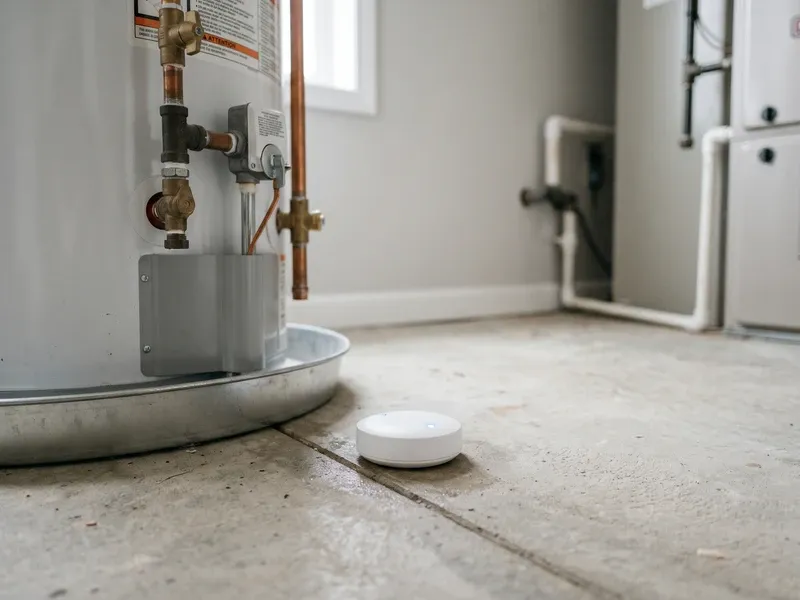
Arrange a house-check. A sensor can alert you; it cannot act. Arrange for a neighbor, family member, or professional house-watch service to check the property periodically through monsoon season. A documented pattern of checks provides evidence against a neglect argument.
What to do when you return
Do a brief walk-through before settling in. Start with smell: a musty or earthy odor that was not there when you left is a reliable early indicator that mold has established somewhere, often inside a wall before it is visible.
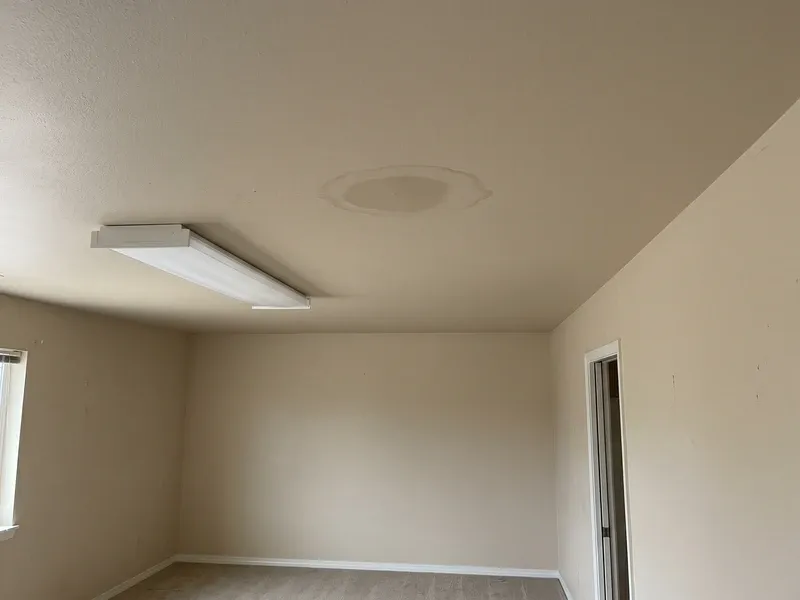
Then look: scan ceilings and tops of walls for new brown stains, check around the water heater and under sinks, look at corners and closets where humidity tends to collect.
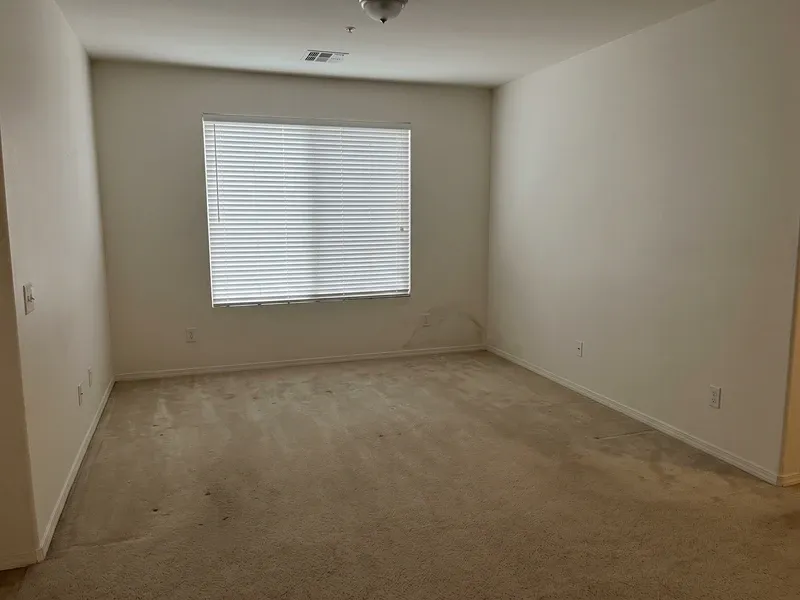
If you find mold or a water stain, find the moisture source before covering or painting it. The visible stain is almost always smaller than the wet area feeding it. A professional mold remediation assessment establishes what the mold is, where it has spread, and what source is feeding it, which is also the documentation that ties a mold finding to a specific water event if you are filing a claim.
On the insurance side: document everything with dated photographs before touching anything, pin down what failed and when, and report it in writing to your carrier promptly. For covered-vs.-excluded scenario details and step-by-step claim guidance, see the mold insurance scenario guide.
What to do next
If you are leaving a Phoenix home empty this summer: call your insurer now and ask about the vacancy clause and endorsement options; keep the AC running at 80-85 degrees F; shut off the main water supply; put leak sensors at the water heater and AC handler; and arrange for a physical house-check during monsoon season. When you come back, smell the house before you settle in. If you find mold, get the moisture source identified before you paint over anything.
For the full pre-departure preparation guide, see the snowbird summer home mold checklist. For more guides on Phoenix mold topics, browse the mold guides hub. For questions about mold remediation after you return, the form below is a free, no-obligation place to start.
Get a free quote
If you have returned to a Phoenix home and found mold, a free, no-obligation inspection quote is a clear next step. We handle mold across the Valley, and an independent assessment of what is there and what caused it is useful documentation whether you are filing a claim or just want to know what you are dealing with. Fill out the form and we will get back to you with a clear next step. (For questions about what your policy covers, talk to your carrier, your agent, or a licensed public adjuster. We document mold; we do not adjust claims or give insurance advice.)