Mold in Your Arizona Apartment & the Landlord Won't Fix It: Your Rights
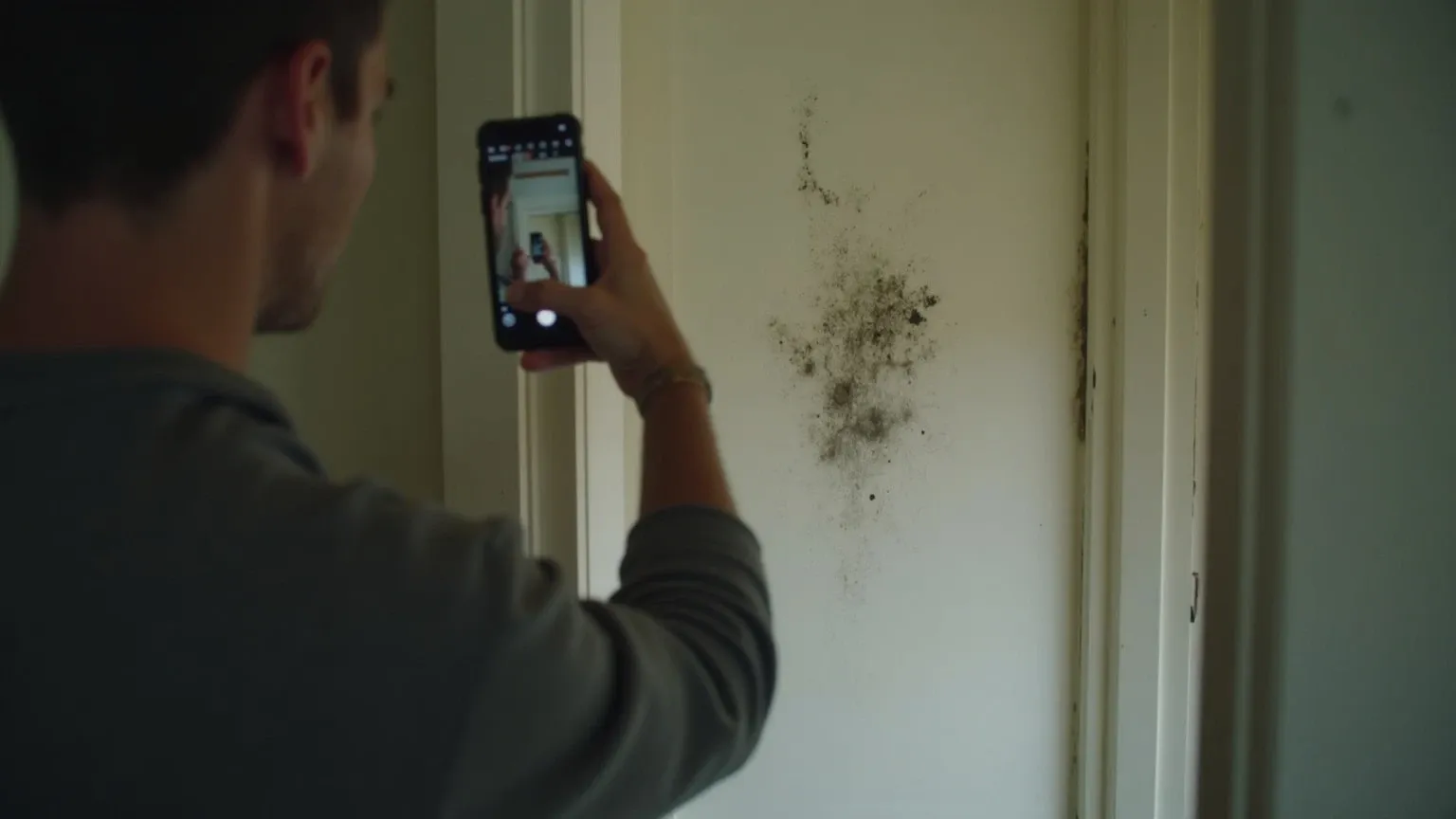
If your Arizona landlord won’t fix mold, you have real rights. A.R.S. § 33-1324 sets the duty: a landlord must keep the unit fit and habitable. Give written notice by certified mail; under A.R.S. § 33-1361 the landlord then has 5 days for a health-and-safety breach of that duty or 10 days otherwise. Miss that, and your remedies open up.
This is general information, not legal advice. It explains how Arizona’s landlord-tenant law generally treats mold, with citations to the statute. Every rental situation is different, and timelines and remedies depend on your specific facts. For advice on your case, talk to a licensed Arizona attorney or a tenant organization — several free and low-cost options are listed at the end of this guide.
Arizona has no “mold law” — and why that actually helps you
The first thing to understand is what does not exist. Arizona has no dedicated mold statute. There is no state law that sets a maximum mold level, requires landlords to test for mold, or spells out mold-specific penalties.
That sounds like bad news for a renter. It isn’t, because mold does not need its own law to be the landlord’s problem. Mold rides on a much older and broader duty: the landlord’s obligation to keep the home fit and habitable. That duty is the foundation everything below is built on, and it is written into the Arizona Residential Landlord and Tenant Act.
Specifically, A.R.S. § 33-1324 requires a landlord to:
- “Make all repairs and do whatever is necessary to put and keep the premises in a fit and habitable condition,”
- comply with applicable building codes that materially affect health and safety, and
- maintain in good and safe working order the electrical, plumbing, heating, ventilating, and air-conditioning systems the landlord supplies.
Read those three together and mold fits cleanly inside them. A unit with active mold from a leak is not in “fit and habitable condition,” and a failed AC condensate line or an unrepaired roof leak is a breakdown of a system the landlord must “maintain in good and safe working order.” So even without the word “mold” in the statute, a landlord who lets mold from a maintenance failure sit in your apartment is very likely violating § 33-1324. That is the legal hook the rest of this guide builds on.
Is it your mold or the landlord’s? Start here
Before you send any notice, get clear on the source, because the source is what decides whose responsibility the mold is.
The dividing line under § 33-1324 is roughly this: the landlord is responsible for the building and the systems they supply; the tenant is responsible for how they live in the unit. Mold that crosses that line toward the building is the landlord’s to fix.
- Likely the landlord’s responsibility: mold from a roof leak, a plumbing leak, a slab leak, a burst pipe, an overflowing AC condensate line, or any HVAC or structural failure. These are maintenance items the statute puts squarely on the landlord.
- Possibly the tenant’s responsibility: mold from condensation tied to ventilation or housekeeping the tenant controls — for example, never using the bathroom exhaust fan, blocking vents, or letting a spill sit. A landlord can argue this back at you.

In Phoenix specifically, the facts usually tilt toward the landlord, because the Valley’s most common mold drivers are building-and-systems failures, not tenant behavior. AC condensate overflow, monsoon roof and wall intrusion, and hidden slab leaks are the three biggest sources of Phoenix apartment mold, and all three are maintenance the landlord owes under § 33-1324. Our 2026 Phoenix Mold Risk Report lays out exactly why those drivers are so common here and how they soak the materials behind a wall before mold ever shows on the surface. If your mold traces to one of them, you are on the strong side of the § 33-1324 line.
A note on smell: a musty smell with no visible mold is common in apartments, because the growth is often behind drywall or inside the air handler before it reaches a surface you can see. A documented musty odor that started after a leak or storm is still worth reporting in writing, even if you cannot yet point a camera at the mold itself.
The renter playbook: how to actually make the landlord fix it
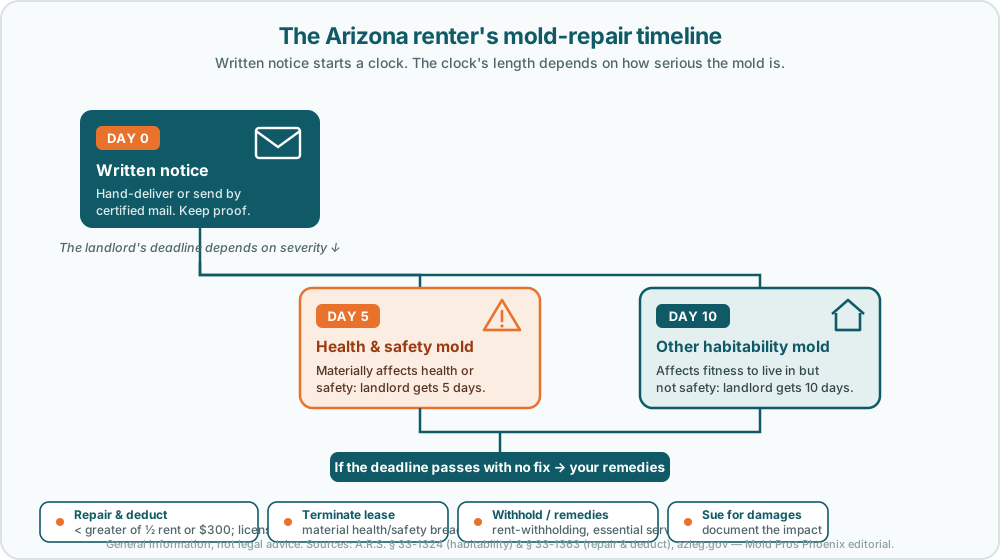
Here is the part that matters most — the specific, ordered steps a renter takes to turn § 33-1324 from a paragraph into a repaired apartment. The timeline below maps the whole sequence; each step is explained underneath it.
Step 1 — Put it in writing, the right way
Arizona’s tenant remedies only unlock after the landlord has been given proper written notice and a chance to fix the problem. A phone call or a text to the maintenance line does not reliably start the clock. Put it in writing.
The Arizona courts make this easy. The Arizona Supreme Court self-service center publishes a “Notice to Landlord” form built for exactly this — a tenant telling a landlord about a condition that needs repair. You can find it through the Arizona Judicial Branch self-service center at azcourts.gov/selfservicecenter. If you would rather write your own letter, that is fine too; it just needs to clearly describe the mold, where it is, when you noticed it, and that you are requesting repair.
Deliver it so you can prove the date. Hand-deliver it (and note the date and who you handed it to) or, better, send it by certified mail with return receipt so you have a dated record the landlord received it. Keep a copy of the notice and the certified-mail receipt together.

Step 2 — Know which clock is running: 5 days or 10 days
Once the landlord receives proper written notice, the Act gives them a defined window to remedy the problem, and the length depends on severity:
- 5 days when the condition materially affects health and safety. Heavy mold in a bedroom, or mold tied to an ongoing leak that makes the unit genuinely unsafe, generally falls here.
- 10 days for conditions that affect habitability but are not an immediate health-and-safety threat.
Because Arizona has no mold-specific rule, which bucket your mold lands in is a judgment about severity, drawn from § 33-1324’s “fit and habitable” and “health and safety” language, with the 5- or 10-day cure window itself set by § 33-1361. This is why your written notice should describe the mold concretely — the size, the location, the smell, any related leak — rather than just saying “there’s mold.” A specific, honest description supports treating a serious problem as the 5-day category.
Step 3 — Repair-and-deduct (a separate notice, for smaller fixes)
Arizona also gives tenants a self-help tool for small fixes — but it is its own procedure under A.R.S. § 33-1363, not something that automatically unlocks when the Step 2 clock runs out. It has a separate notice and its own waiting period, and you have to follow them in order.
Here is how § 33-1363 actually works:
- Send a second written notice that specifically states your intention to correct the condition at the landlord’s expense. This is a different notice from the Step 1 habitability notice — it has to put the landlord on notice that you intend to do the repair yourself and bill them.
- Give the landlord its own time to comply. After that written notice, the landlord has 10 days (or, in a genuine emergency, as promptly as conditions require) to fix the problem before you may act.
- Stay under the cost cap. The reasonable cost of the repair must be less than the greater of one-half of one month’s rent or $300.
- Use a licensed contractor, then deduct the actual, itemized cost from your next rent payment, giving the landlord a copy of the bill.
The guardrails matter: it is a separate § 33-1363 notice with its own 10-day window, the work must be done by a licensed contractor, and the cost has to stay under that threshold. Repair-and-deduct is a clean remedy for a contained mold fix, but it is not a tool for a major remediation that blows past the dollar cap — and deducting rent without sending the § 33-1363 notice and giving the landlord its 10 days can leave you in breach.
Step 4 — If it’s serious: terminate, withhold, or sue
When the mold is a genuine, unfixed health-and-safety problem and repair-and-deduct is not enough, the Act opens up heavier remedies:
- Lease termination for a material breach. Under A.R.S. § 33-1361, if the landlord materially fails to comply with § 33-1324 in a way that affects health and safety, and does not cure it after proper notice within the statutory window, the tenant may terminate the rental agreement.
- Essential-services and substitute-housing remedies. Where a serious failure deprives you of essential services or habitability, A.R.S. § 33-1364 provides additional remedies, which in some situations can include recovering the cost of substitute housing or damages. Whether these apply to a given mold situation is fact-specific.
- A lawsuit for damages. A tenant can sue for damages caused by the landlord’s breach. To recover, you have to prove the harm — which is where your documentation of the mold, the notices, and any health or financial impact becomes the whole case.
These are the remedies most likely to go wrong if you act on your own read of the statute. Terminating a lease or withholding rent without meeting every notice and timing requirement can flip the situation and leave you in breach. Before you use any of them, get the steps confirmed by an attorney or a tenant organization — the help options are at the end of this guide.
Step 5 — Document everything, the whole way through
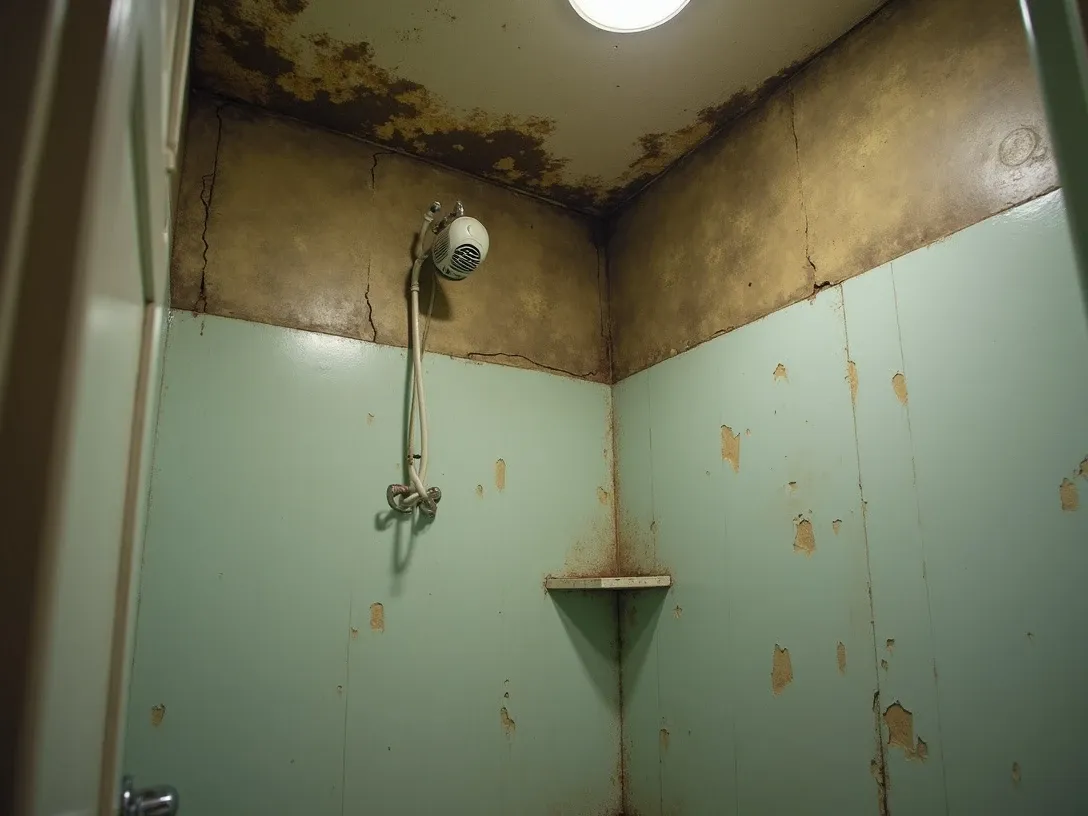
Documentation is not a side task; it is the spine of every step above. Whether you end up using repair-and-deduct, terminating, or suing, you win or lose on your record. Keep:
- a dated log of when you first noticed the mold, every conversation, and every repair promise,
- photos (dated) of the mold and any related leak, ceiling stain, or water damage, taken as it progresses,
- copies of every notice you sent and the certified-mail receipts, and
- records of any health or financial impact — doctor visits, ruined belongings, the cost of substitute lodging.

Why independent documentation changes the conversation
There is a practical asymmetry in a landlord dispute: the landlord controls the building, the maintenance records, and often the only “inspection” anyone has done. A tenant who shows up with nothing but a complaint is easy to wave off. A tenant who shows up with an independent, third-party record of the mold and its moisture source is not.
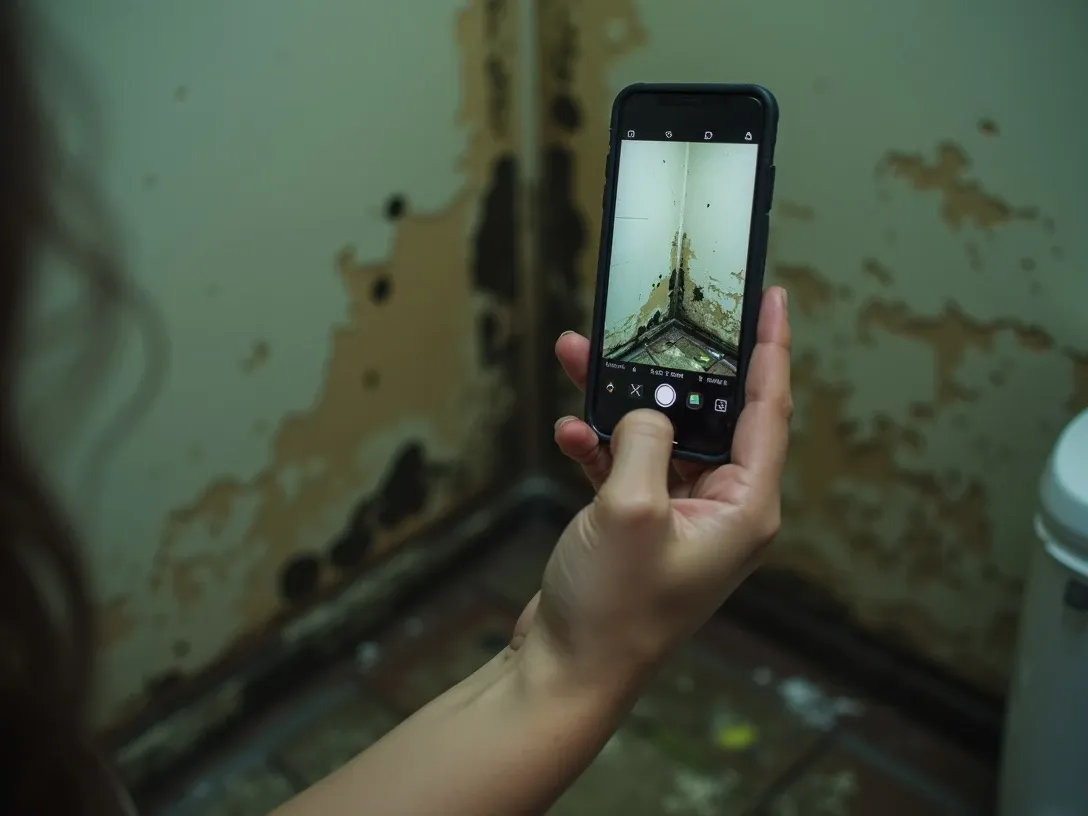
This is where an outside mold inspection earns its keep for a renter. An independent inspection can document what the mold is, where it is, and — critically — the moisture source feeding it. That last part is what ties the mold back to a § 33-1324 maintenance failure: a moisture meter reading inside a wall that traces to a roof leak or a failed condensate line is concrete evidence the problem is the building’s, not your housekeeping. We are clear about the limit here: an inspection documents the mold and its source — it is not legal action, and we do not pursue a landlord on your behalf. But for a tenant building the record their remedies depend on, an independent set of findings is often the difference between being dismissed and being taken seriously.
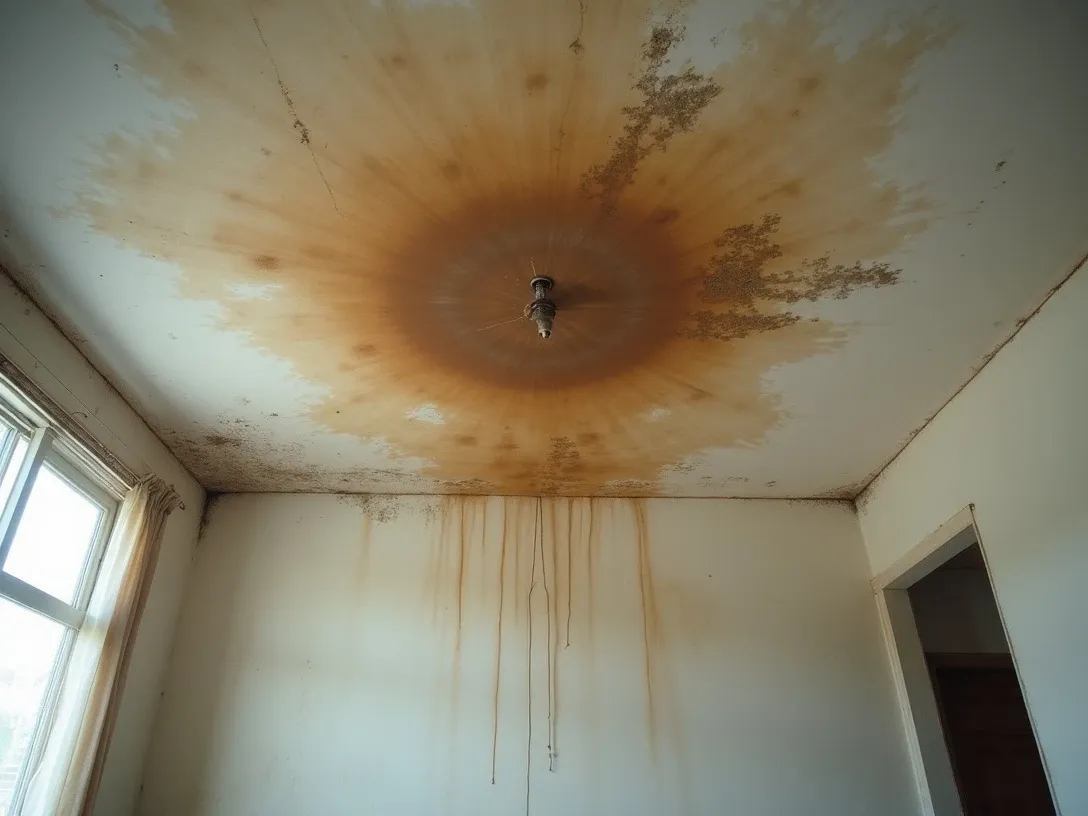
A ceiling stain spreading below an upstairs unit is a good example. On its own it is “a stain.” Documented and traced to the plumbing or roof above, it becomes evidence of exactly the kind of failure § 33-1324 makes the landlord’s job.
Where Arizona renters can get real help
You do not have to navigate this alone, and you should not rely on a single web page — including this one — for advice on your specific situation. Several Arizona resources exist for exactly this:
- City of Phoenix Landlord-Tenant Counseling Program. A free city program that helps Phoenix renters and landlords understand their rights and obligations under the Arizona Residential Landlord and Tenant Act, including habitability disputes. Reachable through the City of Phoenix Housing Department.
- Arizona Tenants Advocates. A tenant-focused organization that helps Arizona renters understand and exercise their rights under the Act (arizonatenants.com).
- Arizona Attorney General — consumer resources. The Arizona Attorney General’s office publishes consumer information and an Arizona Residential Landlord and Tenant Act resource for the public.
- A licensed Arizona attorney. For anything involving termination, rent-withholding, or a lawsuit, an attorney who handles landlord-tenant matters can confirm your steps before you take an irreversible one. Many offer a low-cost initial consultation, and legal-aid options exist for income-qualifying tenants.
The common thread: the law is on your side when a landlord lets a maintenance-driven mold problem sit, but the remedies are procedural. Following the steps in order — notice, the right clock, then the right remedy — is what makes them work, and these organizations exist to help you get the order right.
What to do next
If you are a Phoenix-area renter staring at mold your landlord won’t address, the sequence is: document it, send written notice by certified mail, give the landlord the 5- or 10-day window, then use your remedies — with help from a tenant organization or attorney for the heavier ones. The statute behind all of it is A.R.S. § 33-1324, and it is worth reading in full.
To understand why apartment mold is so common in the Valley in the first place — and which maintenance failures most often cause it — see our Phoenix mold removal overview and the full library of Phoenix mold guides. If you need to document the mold and its moisture source for your record, that is what a mold inspection is built to do.
Get a free quote
If you are dealing with mold in a Phoenix-area apartment and need it documented — what it is, where it is, and the moisture source feeding it — a free, no-obligation inspection quote is a straightforward place to start. We handle mold across the Valley, and an independent set of findings can be exactly the record a renter needs. Fill out the form below and we’ll get back to you with a clear next step. (For advice on your legal rights, talk to an attorney or one of the tenant resources above — we document mold; we don’t give legal advice or pursue your landlord.)