Signs of Mold: How to Spot Growth in Your Phoenix Home (2026)
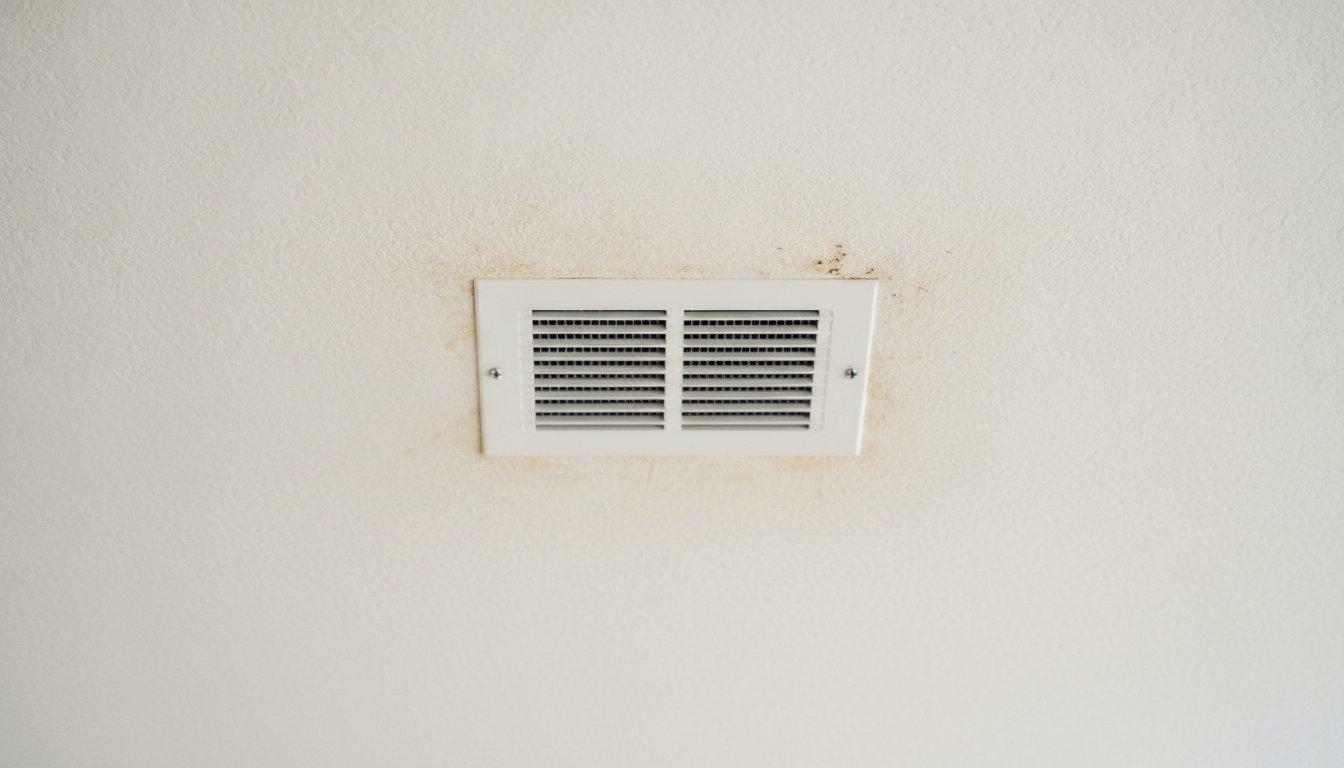
To identify signs of mold in a Phoenix home, look for dark clusters on walls, bubbling paint, or warped baseboards. Since our air is dry, growth usually signals a specific moisture event like a clogged AC condensate line or a slab leak. Early detection prevents expensive structural damage and protects your indoor air quality.
Most people believe the Phoenix heat keeps their homes mold-free, but that's a dangerous misconception. We've seen how hidden leaks can turn a small issue into a major remediation project while no one is looking. You're likely worried about your family's health or the potential cost of fixing a problem you can't even see yet. It is stressful to wonder if a small spot on the ceiling is a minor stain or a growing hazard.
In this guide, we'll explain the specific visual and structural signs of mold that occur in the Valley. We'll cover everything from monsoon damage to swamp cooler failures. By the end, you'll know how to find the moisture source and whether you need to call a licensed and insured contractor for a professional inspection. Our goal is to help you catch these problems before they turn into major repairs.
Key Takeaways
- Learn to distinguish between simple cosmetic stains and the actual signs of mold that indicate a hidden moisture source in your walls.
- Identify why Arizona-specific issues like AC condensate clogs and monsoon roof leaks are the primary drivers of indoor growth in a dry climate.
- Understand how to recognize the "wet sock" odor and why musty smells coming from your vents often point to an issue in the air handler.
- Spot structural red flags like bubbling paint or warped baseboards that often hide slab leaks or slow drips behind kitchen appliances.
- Discover the immediate steps to take to stop moisture spread and how we help you identify the root cause during a professional mold inspection.
What are the most common signs of mold in a dry climate?
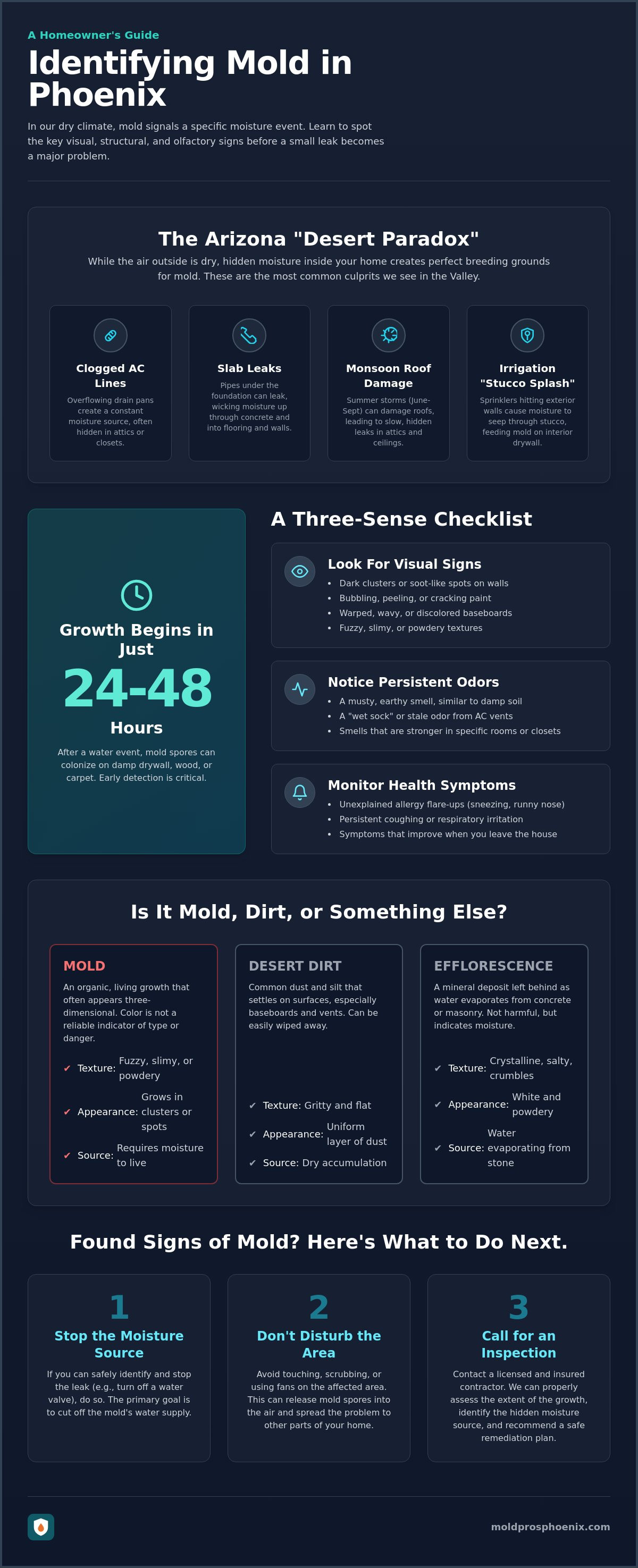
Common signs of mold in Arizona include musty odors, visible discoloration on drywall, and unexplained respiratory issues. Even in our dry climate, indoor moisture from AC leaks or monsoons can trigger growth within 48 hours. Identifying these signs early helps you address the source before structural damage occurs.
Many Phoenix homeowners fall for the "Desert Paradox." They assume our triple-digit heat and single-digit humidity make fungal growth impossible. However, Indoor mold thrives on the localized moisture found inside your home. Whether it's a slow slab leak in Mesa or condensation from an HVAC system in Scottsdale, the environment inside your walls is very different from the dry air outside. Your drywall is essentially a buffet for spores once it gets damp.
To better understand how these symptoms manifest and what to look for, watch this helpful video:
Mold is opportunistic and fast-acting. It only takes 24 to 48 hours for spores to colonize after a water event. This is why we see so many problems immediately after the July monsoon season or when an AC condensate line clogs. If you notice gray, fuzzy "dust" on your supply vents, don't ignore it. It might not be desert silt; it could be active growth fueled by the cool, damp air inside your ductwork.
Is it mold or just desert dirt?
Phoenix is a dusty place, so it's easy to mistake a dirty baseboard for a microbial problem. Real mold has an organic, living texture that dirt lacks. Look for appearances that are fuzzy, slimy, or powdery. While many people worry about "black mold," color isn't a reliable way to judge danger. Mold can appear white, green, or even orange depending on the moisture source. We recommend a professional mold inspection to identify the species and the extent of the spread.
Can mold grow in a bone-dry attic?
Your attic might feel like an oven, but that heat can actually hide moisture problems. A minor roof leak during a summer storm creates a greenhouse effect in the dark corners of your rafters. The space inside Phoenix wall cavities creates a stagnant, high-humidity micro-climate that allows mold to thrive even when the rest of the house feels bone-dry. This trapped heat accelerates the growth process, often leading to structural issues before the homeowner ever sees a spot on the ceiling.
How do you identify visible signs of mold and water damage?
Visible signs of mold often start as small, soot-like spots or "blooming" patterns on surfaces that should be dry. While discoloration is the most obvious indicator, the physical health of your home's structure provides even better clues. If you notice persistent mold allergy symptoms in your family, it's time to look closer at your walls and baseboards for hidden growth.
Discoloration patterns vary based on the surface and the type of fungi present. Mildew is usually flat and gray or white, often appearing in high-moisture areas like shower grout. True mold tends to be three-dimensional and can look fuzzy or slimy. In Phoenix, we often see "black mold" appearing as dark, circular clusters behind furniture where air circulation is poor. We also deal with efflorescence, which many homeowners mistake for mold. Efflorescence is a white, salty buildup on garage floors or block walls caused by evaporating water. It's mineral-based and crumbles when touched, whereas mold on concrete is usually darker and has an organic texture.
We frequently encounter the "Stucco Splash" effect during our inspections. This occurs when irrigation systems or sprinklers hit your exterior stucco too often. The moisture seeps through the porous material, feeding colonies on the backside of your interior drywall. You might not see the mold itself, but you will see the structural red flags it leaves behind. Look for bubbling paint, peeling wallpaper, or baseboards that appear "wavy" or are pulling away from the wall. These are clear indicators that the drywall behind the surface is saturated and likely hosting growth.
Visual cues on different surfaces
- Drywall and Ceiling Tiles: Look for "ghosting" or dark shadows that don't wipe away. These porous materials act like a wick, drawing moisture deep into the core where mold thrives.
- Bathroom Tile and Grout: Focus on corners where the sealant has failed. If the grout remains dark even when the shower is dry, moisture is trapped behind the tile.
- Wooden Attic Beams: Check for white, green, or black "fuzz" on attic trusses. This is common if a monsoon roof leak went unnoticed.
Signs of hidden water intrusion
Darkened "water rings" on ceilings and walls are the most common precursor to a major problem. Even if a spot feels dry to the touch today, the space above it might still be damp enough to support a colony. You should also check for swelling in kitchen or bathroom cabinets. Particle board cabinets under sinks are like sponges; if the bottom panel is flaking or warped, you likely have a slow leak. If you find standing water or active leaks, we provide professional water damage restoration to stop the spread before it requires full remediation. Identifying these visible indicators early allows us to perform a targeted mold inspection and save you thousands in structural repairs.
What does mold smell like and what are the health indicators?
Mold has a distinct chemical footprint that often alerts you to a problem before you see it. That earthy, "wet sock" odor comes from microbial volatile organic compounds (mVOCs). These are gases released as the fungi digest organic material like your drywall, wood framing, or carpet padding. In our dry Valley air, these scents are often the most reliable signs of mold when growth is hidden behind cabinets or inside wall cavities.
You might notice the scent only when your AC or heater starts a cycle. This happens because the air handler or the ductwork contains a colony. As the fan moves air over the growth, it carries those mVOCs directly into your living spaces. If the smell is strongest near your supply vents, the problem is likely located in your HVAC system’s condensate pan, the cooling coils, or the insulated lines. We often find that a clogged drain line in a Phoenix attic creates the perfect damp environment for these odors to develop.
The health indicators are just as telling as the smell. According to the EPA's guide to mold and moisture, exposure can cause sneezing, runny noses, and red eyes. These symptoms are common in many households, but they shouldn't be ignored if they don't go away. For residents in Mesa or Chandler with asthma, the presence of indoor spores can trigger more frequent or intense attacks. These aren't just "seasonal allergies" if they persist regardless of the pollen count outside.
Tracking odors to their source
Closets and the space behind heavy bedroom furniture are prime targets for growth in Phoenix homes. These areas have poor air circulation, which allows moisture from a small leak or high indoor humidity to settle. If you smell something sour or metallic, don't try to hide it with air fresheners or candles. Masking the scent only allows the structural damage to worsen while the source remains active. Use your nose to narrow down the location. If the smell gets stronger as you move toward a specific corner or baseboard, there's a high chance of a leak behind that drywall.
Common health reactions in the household
We often hear from homeowners whose congestion clears up when they go to work or take a trip out of town. If your symptoms improve when you leave the house, your indoor air quality is the likely culprit. The CDC notes that mold exposure typically causes upper respiratory irritation, including coughing and wheezing. While we can identify the physical growth through a mold inspection, only a medical professional can provide a formal diagnosis for mold toxicity or other health conditions. We focus on finding the moisture so you can breathe easier in your own home.
Where are the most common places to find mold in a Phoenix home?
In Phoenix, mold commonly hides in AC condensate pans, behind kitchen appliances, and in attics after monsoon storms. Seasonal homes are especially vulnerable when AC units are turned off, which allows indoor humidity and heat to rise. Checking these specific moisture-prone areas is essential for identifying early signs of mold before they spread throughout your property.
The desert creates unique hiding spots for growth that you won't find in other climates. While homeowners in the Midwest worry about damp basements, we focus on the slab and the ceiling. Slab leaks are a frequent issue in the Valley, particularly in older homes in Mesa and Tempe. These slow leaks under the concrete floor can feed a colony behind your kitchen cabinets for months before you ever see a spot on the wall. We also see significant issues in laundry rooms where a pinhole leak in a washer hose creates a constant supply of water in a warm, dark space.
The "Snowbird" factor is another local challenge we see every year. Many residents leave for the summer and turn their AC off to save on power bills. Without the dehumidifying effect of the air conditioner, any small leak or even the residual moisture from a swamp cooler can cause widespread growth. If you are returning to a seasonal home after several months away, look for signs of mold on soft surfaces like curtains, upholstery, and the undersides of mattresses.
The AC condensate line and air handler
Your AC unit is the hardest working appliance in your home. It pulls gallons of water out of the air every day. If the primary condensate drain line clogs with dust and debris, that water has nowhere to go but into your home. This often results in a flooded hallway or a damp closet floor. You should also inspect the registers and supply vents. If you see dark spotting on the drywall around the vent, it indicates that moisture is condensing where the cold air meets the warm room air. If you find growth inside your ductwork, you can check our guide on black mold removal cost to see how we handle professional remediation in HVAC systems.
Monsoon season and roof vulnerabilities
The storms between June and September are famous for their intensity. A single heavy downpour can exploit a cracked shingle or a failed seal around a skylight. Because it rarely rains here, these leaks often go unnoticed until the next big storm hits. We recommend checking your attic after the first major monsoon of the year. Look specifically around chimneys, plumbing vents, and roof valleys. If you use a swamp cooler, be aware that these units are designed to add humidity to the air. While they are efficient, they can create a high-moisture environment that encourages growth if the house isn't properly ventilated. If you suspect a leak in your roof or walls, we recommend you schedule a mold inspection to catch the problem before it becomes a major structural failure.
What should you do if you find signs of mold in your home?
If you find signs of mold, stop the water source immediately and don't disturb the area. Isolate the space to keep spores from spreading through your home. You then need to decide if the growth is small enough for a DIY fix or requires a licensed and insured contractor for professional remediation and testing.
Once you spot a problem, your first priority is the water. In the Valley, this often means turning off a leaking valve under the sink or clearing a blocked AC line. Don't touch or scrub the mold, as this releases spores into the air. If the affected area is larger than 10 square feet, the EPA recommends professional help. We suggest keeping the door to the affected room closed and turning off your HVAC system to prevent spores from traveling through your ductwork.
Our team focuses on finding the root cause of the moisture. It doesn't help to clean the surface if a slab leak or a roof gap is still feeding the colony. We use specialized tools like moisture meters and thermal cameras to see what's happening behind your drywall. This methodical approach ensures that once the mold is gone, it doesn't come back after the next monsoon storm.
Professional inspection vs. DIY testing
Home test kits from big-box stores are often unreliable. They usually just tell you if spores are present, but since spores exist naturally in our desert air, these tests almost always come back positive. They don't tell you the source or the severity of the growth. A professional mold inspection provides a full map of the moisture and a plan for removal. In the Phoenix area, professional inspections typically run $300 to $650.
Remediation and removal costs in the Valley
We believe in straight talk about pricing. Every project is different, but we provide these honest ranges so you can plan your budget. Small jobs like a single bathroom wall or a laundry room corner usually cost $500 to $1,500. Mid-size remediation involving multiple rooms or your HVAC system typically ranges from $2,000 to $6,000. Large-scale structural restoration for major floods or long-term leaks can cost $10,000 to $30,000+. To get a better idea of your specific situation, use our mold removal cost calculator for a custom estimate.
Protect your Phoenix property from hidden moisture
Identifying the signs of mold is the first step toward maintaining a healthy indoor environment in the Valley. Whether you've noticed a musty odor near your air vents or bubbling paint in the laundry room, these symptoms require immediate attention. Our dry climate doesn't make you immune to growth; it just changes where the moisture hides. From Mesa slab leaks to Scottsdale monsoon damage, we understand exactly how desert homes fail and how to fix them.
We provide the IICRC-certified expertise needed to address these issues safely and thoroughly. Our team uses transparent, honest cost ranges so you never have to guess about the final bill. We've spent years solving Phoenix-specific mold problems and focus on finding the root cause of every leak. Don't let a small moisture problem turn into an expensive structural repair. You can get a free, no-obligation mold remediation quote from a licensed and insured contractor today. We're here to help you get your home back to a safe, dry condition.
Frequently Asked Questions
Is it possible to have mold in Phoenix even if it is dry outside?
Yes, it is very common. We often see growth in homes where the outdoor humidity is low, but an indoor moisture event has occurred. A clogged AC condensate line or a slab leak provides all the water spores need to thrive inside your walls. These localized moisture sources create a micro-climate that allows colonies to grow regardless of the desert heat.
Can I just use bleach to kill the mold I see on my wall?
We don't recommend using bleach on porous surfaces. Bleach is mostly water and cannot reach the "roots" of the mold inside materials like drywall or wood. It might clear the surface stain, but the fungus will often return stronger because you've added more moisture to the area. For effective removal, the contaminated material usually needs to be professionally cleaned or replaced.
How long does it take for mold to start growing after a water leak?
Fungal growth typically begins within 24 to 48 hours of a moisture event. This is why we emphasize drying out your property immediately after a monsoon roof leak or a plumbing failure. The faster we can extract the water and set up professional drying equipment, the less likely you are to see visible signs of mold on your walls or ceilings.
Does a musty smell always mean there is a mold problem?
A musty odor is a strong indicator of microbial volatile organic compounds (mVOCs) produced by active growth. While it almost always points to a fungal problem, it can sometimes be caused by stagnant water in an unused drain or a dead rodent in the attic. We use specialized moisture meters and thermal cameras to verify if the scent is linked to hidden growth behind your cabinets or baseboards.
Will my homeowners insurance cover the cost of mold removal?
Coverage usually depends on the source of the moisture. Most policies cover remediation if the problem resulted from a "sudden and accidental" event like a burst pipe or a water heater failure. However, if the growth was caused by long-term maintenance issues, slow seepage, or high humidity from a swamp cooler, insurance companies often deny the claim. It's best to check your specific policy for a mold endorsement.
What is the difference between a mold inspection and mold remediation?
A mold inspection is the diagnostic phase where we identify the type of mold, the concentration of spores, and the moisture source. Remediation is the actual process of removing the contaminated materials, cleaning the air with HEPA filtration, and treating the remaining structure. We always suggest starting with an inspection to ensure the remediation plan is targeted and effective.
How can I tell if the mold in my house is the "toxic black mold" variety?
You cannot identify a specific species of mold just by looking at its color. Many harmless types look black, while some dangerous varieties appear green, gray, or even white. The only way to know for sure is through professional lab testing during a signs of mold investigation. We collect samples and send them to a third-party lab to identify exactly what is growing in your home.
Why do I only feel sick when I am inside my house?
This is a classic indicator of poor indoor air quality. If your congestion, coughing, or eye irritation clears up when you go to work or spend time outdoors, your home's air is likely concentrated with spores. The EPA and CDC note that indoor environments can trap allergens and mVOCs that aren't present in the outside air, leading to persistent respiratory issues for residents.