Black Mold Removal: DIY Methods vs. Professional Remediation in Phoenix
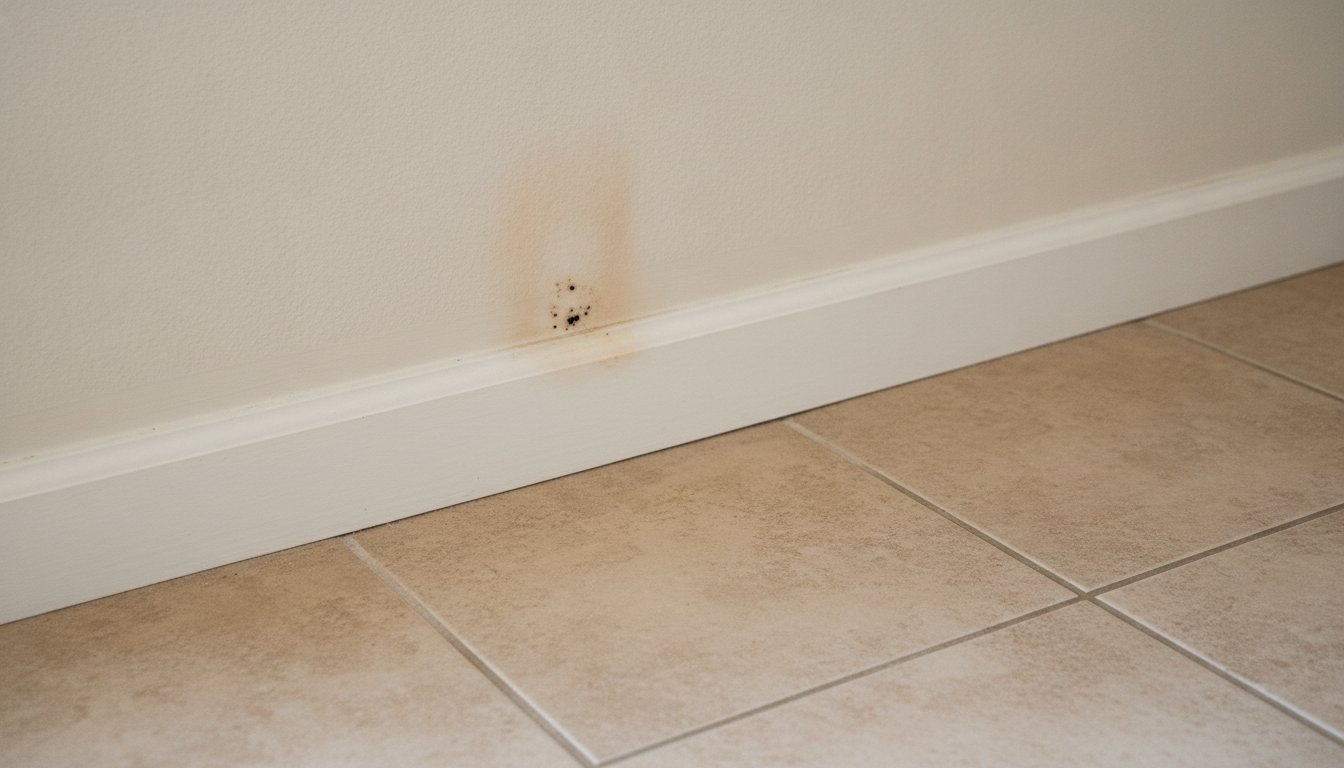
If you find a patch of black mold under 10 square feet, the EPA suggests you can often handle black mold removal yourself using detergent and water. For larger areas or mold inside Phoenix AC vents and wall cavities, professional remediation is necessary. Experts ensure the moisture source, like a monsoon leak or AC condensate clog, is fixed.
Most homeowners think the Arizona sun kills everything. Finding a dark stain on your drywall during a 110-degree July afternoon is a common reality. You're likely worried about health risks and the cost of fixing a problem that shouldn't exist in a desert. We understand that seeing mold is stressful, especially when you don't know if a simple scrub will solve it.
This guide will help you understand the limits of DIY black mold removal and how to safely identify the problem. You'll learn the difference between surface cleaning and professional remediation. We also look at typical Phoenix cost ranges and desert-specific triggers like slab leaks, monsoon-season leaks, or issues in snowbird homes left closed over the summer. This information helps you make a smart choice for your home and budget.
Key Takeaways
- Phoenix mold is a localized moisture problem, not a humidity one, driven by AC condensate clogs, monsoon leaks, slab leaks, and swamp coolers.
- The EPA guideline says patches under 10 square feet (about a 3x3 bath mat) are often safe to clean yourself, while larger areas call for a Valley pro.
- Bleach can work on hard, non-porous surfaces like tile and tubs, but on drywall or wood it fails and the water it leaves behind can feed the mold roots.
- If you clean the surface without fixing the leak first, the mold comes back within days.
- Turning off your HVAC before any cleanup is critical, because a running fan pulls spores into the vents and spreads them to every room.
What is black mold and why does it grow in Phoenix?
Black mold is often a specific type of fungus known as Stachybotrys chartarum. It is a dark-colored organism that thrives on materials rich in cellulose. In your home, this usually means it is eating the paper backing of your drywall, the wood inside your attic, or the dust in your AC vents. While it often causes concern, black mold is a serious but manageable property issue that you can resolve through proper moisture control.
Phoenix is not like the humid South or the Pacific Northwest. We do not have high outdoor humidity that causes mold to grow on every surface. Instead, mold in the Valley is almost always a localized moisture problem. It requires a constant, steady water source to survive. This water is often hidden behind walls or under kitchen cabinets where you cannot see it until the dark stains appear on the surface.
Effective black mold removal starts with finding the leak. If you only clean the surface without stopping the water, the mold will return within days. In our desert environment, even a small plumbing drip can create a micro-climate inside a wall that allows spores to flourish. Understanding the unique ways water enters Phoenix homes is the best way to prevent a major outbreak.
What causes mold in the desert?
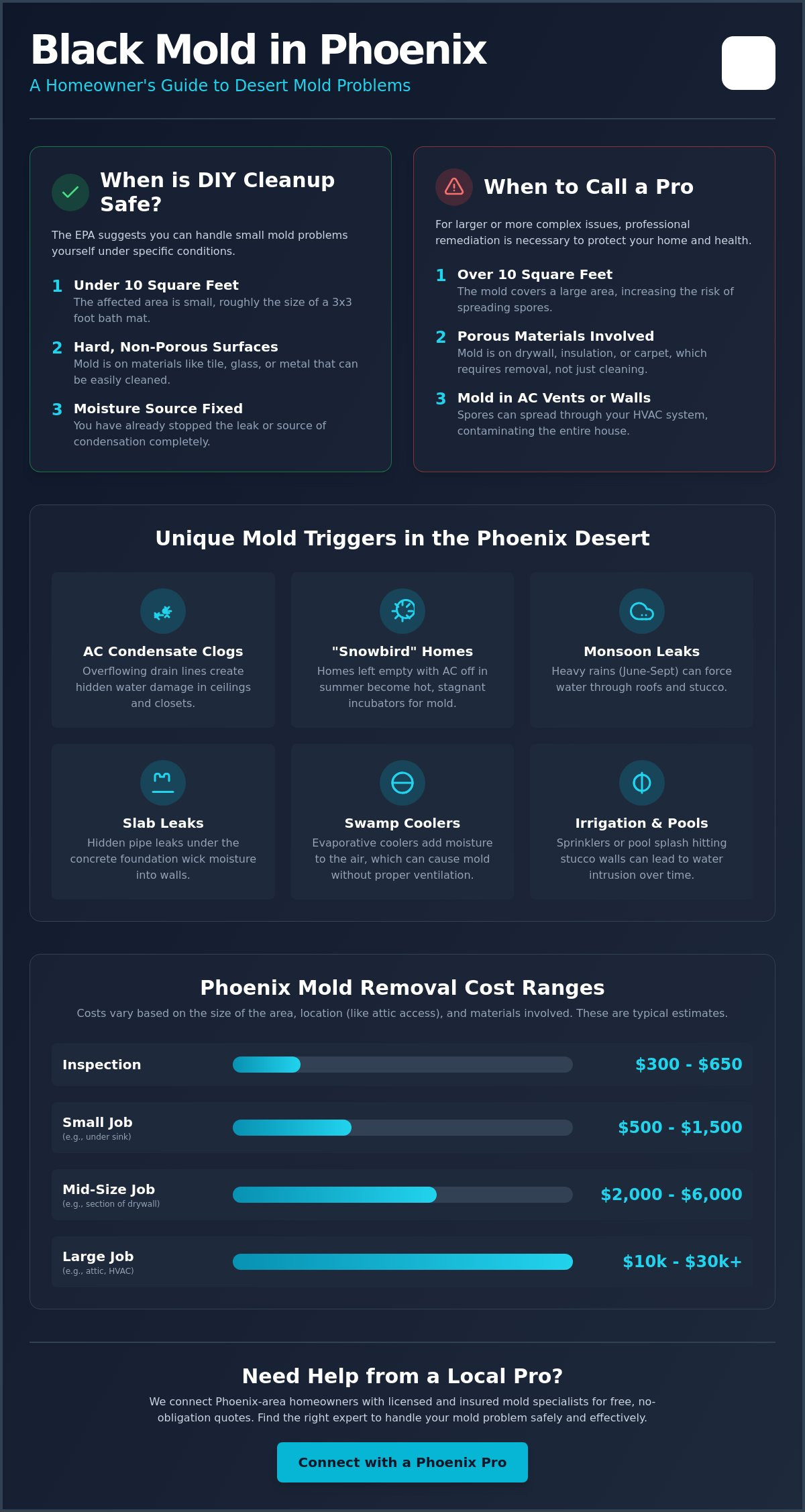
Leaking air conditioning units are a primary cause of mold in Mesa and Scottsdale. When your AC condensate line clogs, the water has nowhere to go. It overflows into your hallway closet or drips onto the drywall ceiling below the unit. This creates a perfect, warm environment for mold to grow.
- Monsoon rains: From June to September, heavy storms can push water through unsealed stucco or aging roof tiles.
- Swamp coolers: Older homes in Tempe and Chandler often use evaporative coolers. These systems pump moisture directly into the air, which can cause mold if the home is not ventilated properly.
- Slab leaks: Water pipes under your concrete floor can pinhole, sending moisture up into your baseboards and flooring.
Why do "snowbird" homes get mold?
Many seasonal residents in Gilbert or Sun City leave for the summer and turn their AC units off to save money. This is a common mistake that leads to black mold removal projects in the fall. Without the AC to circulate and dry the air, your home becomes a stagnant incubator during the 115-degree heat.
High indoor temperatures combined with a slow leak can cause spores to spread rapidly through the property. You might think your home is bone-dry, but your attic could be reaching 150 degrees. If there is a slow roof leak or a plumbing vent issue, mold can take over the attic space while the rest of the house looks fine. Stagnant air and high heat are the two biggest friends mold has in an empty Arizona home.
DIY cleanup vs. professional remediation: How to choose?
Deciding between a weekend project and calling a pro depends on the size and location of the problem. According to EPA mold cleanup guidelines, you can usually handle areas smaller than 10 square feet yourself. That is roughly the size of a standard 3x3 bath mat. If the patch is larger than this, the risk of spreading spores throughout your home increases significantly.
You also need to look at what the mold is growing on. Hard surfaces like tile, metal, or glass are easy to clean because the mold stays on the surface. Porous materials like drywall, insulation, and carpet are different. Mold roots grow deep into these materials. Simply wiping the surface of moldy drywall doesn't work. The material usually needs to be removed and replaced to ensure complete black mold removal.
In Phoenix homes, the centralized HVAC system is a major factor. If mold is near your return vent, turning on the air can pull spores into the ductwork. This spreads the issue to every room in the house. This kind of cross-contamination makes a project much more complex. Cleaning the surface is also a temporary fix if you don't repair the moisture source first. A scrubbed wall will show new growth in days if that AC condensate line is still leaking behind the scenes.
When DIY is appropriate
Small spots of mold in the bathroom are common in Valley homes. If you see dark specks on your shower grout or around window sills caused by minor condensation, you can likely clean it yourself. This is appropriate if you have already identified and stopped the moisture. For example, if you fixed a leaky faucet and the area is now dry, a surface scrub with detergent is often enough to handle the black mold removal for that small area.
When to call a Phoenix mold specialist
You should seek help if you find mold inside your AC vents or air handlers. Disturbing mold in these areas requires specialized containment to keep your air safe. Large patches of mold on drywall or baseboards often signal a hidden pipe leak or a slab leak that needs professional attention. If your home suffered a major flood during the July monsoon season, a specialist can ensure the structure is fully dry before mold takes hold. If you are unsure about the scale of the damage, a professional mold assessment gives you a clear perspective on the next steps. Professionals use moisture meters to find what is happening behind the walls, which is something a surface wipe cannot fix.
Which cleaning agents work best for black mold removal?
Many homeowners in the Valley reach for a spray bottle the moment they see a dark spot. However, successful black mold removal is more about physical scrubbing than just applying a liquid. The Arizona Department of Health Services warns that using the wrong chemicals can be ineffective or even dangerous to your health. You must physically remove the mold spores from the surface rather than just trying to kill them with a mist.
Pros call this "mechanical removal." If you just spray and walk away, the dead spores remain on the surface. These can still cause health issues according to CDC facts on Stachybotrys chartarum. After the scrubbing is done, professionals often use specialized coatings called "encapsulants." These seal any remaining microscopic spores to the surface. This prevents them from becoming airborne or growing back if moisture returns to your drywall or AC vents.
The truth about bleach on drywall
Bleach is a common household cleaner, but it is not a magic solution for mold on walls. It works well on non-porous surfaces like your bathtub or kitchen tile. On porous materials like drywall or wood, it usually fails. The chemical part of bleach stays on the surface, while the water part soaks into the material. This water can actually feed the mold roots deep inside the wall.
You might see the dark color disappear, but the fungus is often still alive. This is why mold often "returns" to the same spot in a Phoenix laundry room or bathroom. You also must be very careful with safety. Never mix bleach with ammonia or other household cleaners. This creates toxic chloramine gas. In small, poorly ventilated Arizona bathrooms, this can lead to serious respiratory distress.
Vinegar and specialized mold cleaners
Distilled white vinegar is a common choice for small DIY projects on hard surfaces, mainly because it spares families in Mesa or Scottsdale the fumes that come with bleach — though never mix the two, since bleach plus an acid releases chlorine gas. What it does to the mold itself depends on the species, so it isn't something to count on, and because it is mostly water it does not resolve mold rooted in porous material like drywall or framing — see does vinegar kill mold. Borax and baking soda are also used as mild abrasives for scrubbing hard surfaces. Treat them as cleaning aids rather than proven mold treatments.
When a job is too large for household items, professionals use EPA-registered antimicrobials. These commercial biocides are designed to handle heavy growth in difficult spots like attics or behind kitchen cabinets. These solutions are much stronger than what you typically find at a local hardware store. Using these professional-grade agents ensures the black mold removal is thorough and follows proper safety standards.
Safety requirements for black mold cleanup
Protecting your health is the first priority during any mold disturbance. When you scrub or cut into moldy material, thousands of microscopic spores become airborne. If you inhale these spores, they can cause respiratory irritation or other health issues. Proper black mold removal is not just about the cleaning agents; it is about keeping those spores out of your body and the rest of your home.
In our dry Phoenix climate, moldy materials like drywall can become brittle and dusty. This makes it even easier for spores to travel through the air. You must treat the area like a construction zone to prevent a small problem from turning into a whole-house issue. Taking the time to set up safety gear and containment is the only way to work safely.
Personal Protective Equipment (PPE) checklist
You need specific gear before you start. Standard safety glasses with vent holes on the sides are insufficient for mold spores. These vents allow tiny particles to reach your eyes and cause irritation. Use unvented goggles that create a full seal around your eyes instead. You should also wear disposable coveralls over your clothes. This allows you to peel off the suit and throw it away so you don't carry spores into other rooms.
Your respirator is the most critical piece of equipment. An N95 mask must fit tightly against your face to be effective. If there are gaps around your nose or chin, you are still breathing in spores. For larger jobs, a P100 respirator provides even better protection against fine dust and fungal fragments. Always wear non-latex gloves, such as nitrile, to protect your skin from both the mold and any cleaning chemicals.
Preventing spore spread in the house
The biggest mistake Valley homeowners make is leaving the AC running during a cleanup. You must turn off your HVAC system before starting any work. If the fan is on, it will pull spores into the return vents and distribute them to every room in your home. This can turn a simple bathroom project into a massive ductwork cleaning job.
Create a physical barrier using 6-mil poly sheeting and painters tape. Seal every doorway and air vent in the work area. If you use a vacuum, it must have a true HEPA filter. Standard shop vacs are dangerous for black mold removal because their filters are too porous. They will catch the large debris but spray the tiny spores right back into your air. If the containment setup feels like more than you want to take on, a professional mold remediation crew has the industrial air scrubbers and gear to do it right.
Proper disposal is the final step. Put all moldy drywall, carpet, or baseboards into heavy-duty plastic bags while you are still inside the contained area. Seal the bags tightly with duct tape before carrying them through your house. This ensures that no spores escape during the trip to the trash bin outside.
Estimating professional mold removal costs in Phoenix
Valley contractors typically calculate their estimates based on the size of the affected area and the specific materials involved. Labor is the biggest factor, often making up 50 to 70 percent of a black mold removal invoice. If the mold is in a hard-to-reach attic or inside your centralized AC system, the price will reflect the extra time and safety measures required.
For large or hidden problems, starting with a professional inspection is a smart move. These inspections in Phoenix generally range from $300 to $650. An inspector uses moisture meters and thermal cameras to find exactly where the water is coming from. This ensures you only pay for necessary work and don't miss hidden growth behind your kitchen cabinets or baseboards.
Typical price ranges for remediation
- Small jobs like a laundry room closet or a single bathroom: $500 to $1,500.
- Mid-size projects involving multiple rooms or AC vent contamination: $2,000 to $6,000.
- Large or whole-home remediation following a major slab leak or monsoon flood: $10,000 to $30,000 or more.
What is included in a professional quote?
A solid quote covers more than just cleaning the visible spots. It includes setting up professional containment with poly sheeting and using industrial HEPA air scrubbers to purify the air while the work happens. It also covers the controlled demolition of moldy drywall and insulation that cannot be saved. You can use our mold removal cost calculator to get a better idea of what your specific project might look like in Mesa or Scottsdale.
Most local pros also include post-remediation testing to prove the home is safe for your family. This gives you documentation that the spore counts have returned to normal levels. Getting more than one estimate helps you find a fair price. Mold Pros Phoenix handles black mold removal across the Valley — Tempe, Gilbert, and beyond — with free, no-obligation quotes and a team that knows our desert property challenges.
Taking control of your home air quality
Dealing with mold in the middle of a Phoenix summer is a unique challenge. You now know that small spots on bathroom tile or window sills are often manageable with simple tools and proper safety gear. However, if you find growth spreading across your drywall or hiding deep in your AC vents, the risk to your property and air quality is much higher. Large projects require professional containment to prevent spores from traveling through your centralized cooling system and contaminating other rooms.
Successful black mold removal requires more than just a surface scrub. It demands a clear understanding of the moisture source, whether it is a monsoon-driven leak, a slab leak, or a clogged condensate line. Fixing the underlying water issue is the only way to stop the cycle of growth and protect your home for the long term. Ignoring a hidden leak behind a wall only leads to more expensive repairs down the road.
Mold Pros Phoenix handles black mold removal across the Phoenix metro. If growth is spreading on drywall or hiding in your AC vents, get a free, no-obligation quote — no pressure, no scare tactics. You can also use our free cost calculator to get a realistic estimate for Valley homes. Taking a methodical approach to cleanup is the best way to restore your home to a healthy state.
Frequently Asked Questions
Is black mold more dangerous than other types of mold?
The CDC states that all molds should be treated as a potential health risk. While Stachybotrys chartarum is often singled out, other common desert molds like Aspergillus can also cause respiratory issues. You should focus on black mold removal and moisture control regardless of the specific species found in your home.
Can I stay in my Phoenix home during black mold removal?
You can usually stay in your home if the work area is small and properly contained with plastic sheeting. If the project involves your central AC system or requires whole-home remediation, you might need to leave for a few days. Professional teams use negative air pressure to keep spores from traveling into your living areas while they work.
Does homeowners insurance cover black mold removal in Arizona?
Insurance typically covers mold if it was caused by a sudden, covered event like a burst pipe or a monsoon-driven roof leak. It rarely covers mold resulting from long-term maintenance issues like a slow-dripping swamp cooler or a gradual slab leak. You should review your specific policy to see if you have a "mold rider" or specific limits on fungal remediation.
How do I know if the black mold is completely gone?
A visual check is the first step, but professional clearance testing is the only way to be certain. This involves taking air samples inside the work area and comparing them to outdoor air in the Valley. If the indoor spore count is lower than the outdoor count and the moisture source is dry, the remediation is considered successful.
What is the fastest way to kill black mold on a wall?
There is no instant spray that safely solves the problem on porous surfaces like drywall. For hard surfaces like tile or metal, scrubbing with a detergent and water solution is the fastest method. For drywall, the only permanent solution is to cut out the moldy section and repair the underlying leak or AC condensate clog.
Why did mold grow in my house if I live in the desert?
Mold in Phoenix is a moisture problem rather than a humidity issue. Common triggers include AC condensate lines that back up into closets and monsoon rain that leaks through unsealed stucco. Even in our dry climate, a steady water source behind a wall or under a slab provides everything spores need to thrive.
How much does a mold inspection cost in Phoenix?
A professional mold inspection in the Phoenix metro area typically falls in the range of $300 to $1,075. The final estimate depends on the square footage of your home and how many air or surface samples are required. This cost often includes thermal imaging to find hidden leaks behind your drywall.
Can black mold grow in my AC vents?
Yes, mold often grows in AC vents when dust accumulates and mixes with condensation from the cooling coils. This is a common issue for Scottsdale and Mesa homeowners during the humid monsoon months from June to September. If you see dark spots on your registers, it usually signals a moisture problem within the air handler or ductwork.